





























































































About Bradford Health Services – Montgomery
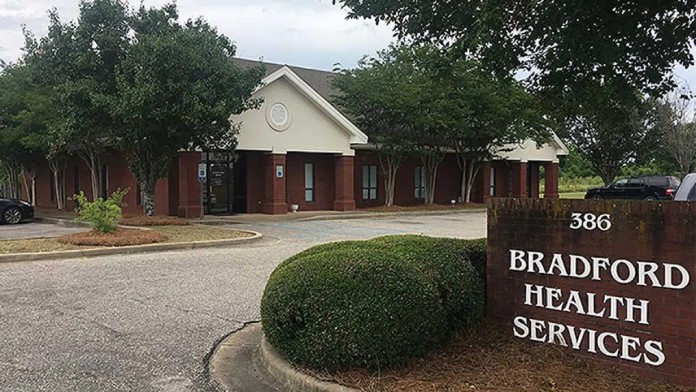
Located in Montgomery, Alabama is the Bradford Health Services Montgomery Clinic. This clinic provides drug and alcohol services to adults throughout the region, a region that’s been particularly harmed by the opioid and drug epidemic plaguing the nation over the past decade.
They provide outpatient treatment programs and intensive outpatient services are also available if you need more robust care. Telehealth support is also available if you need more flexible treatment options. They accept policies from most major insurance providers including Medicaid and Medicare.
Medication Assisted Treatment
At the core of their treatment programming is medication assisted treatment. This is an effective method in helping you manage a chemical dependency. This therapy is typically used for individuals who have chronic opioid or alcohol addiction and need medical intervention to help stabilize their bodies.
After evaluations with your care team, you may be prescribed a combination of buprenorphine or naltrexone. MAT will be combined with counseling and other therapies.
Alumni Programming
A big focus on the treatment services here is to continue supporting you even after you complete the program. They have continuing care which consists of a dedicated alumni program. This program will connect you to others who have completed the program, allowing you to continue the momentum you gained in recovery/
Alcohol and Drug Education Programming
As you work through individual and group counseling sessions, you’ll also engage in targeted drug and alcohol addiction classes. These classes help you understand what goes on inside your body when you abuse or use alcohol and other substances. You’ll also learn about how to manage triggers and stressors that contribute to relapse as well.
Taking an informed approach to care, you’ll be motivated to pursue a sober lifestyle. You’ll be able to work towards your sobriety using the skills and strategies you’ll learn about in recovery here.

Rehab Score
 Our Methodology


Gallery
Accepted Insurance
Other Forms of Payment
Private insurance refers to any kind of healthcare coverage that isn't from the state or federal government. This includes individual and family plans offered by an employer or purchased from the Insurance Marketplace. Every plan will have different requirements and out of pocket costs so be sure to get the full details before you start treatment.
Self-pay involves paying for treatment out of your own pocket. You can use savings or credit, get a personal loan, or receive help from family and friends to fund your treatment. If you don't have insurance or your insurance plan doesn't cover a specific program, self-pay can help ensure you still get the care you need.
Financial aid can take many forms. Centers may have grants or scholarships available to clients who meet eligibility requirements. Programs that receive SAMHSA grants may have financial aid available for those who need treatment as well. Grants and scholarships can help you pai for treatment without having to repay.
Military members, veterans, and eligible dependents have access to specific insurance programs that help them get the care they need. TRICARE and VA insurance can help you access low cost or no cost addiction and mental health treatment. Programs that accept military insurance often have targeted treatment focused on the unique challenges military members, veterans, and their families face.
Addiction Treatments
Levels of Care
Outpatient Programs (OP) are for those seeking mental rehab or drug rehab, but who also stay at home every night. The main difference between outpatient treatment (OP) and intensive outpatient treatment (IOP) lies in the amount of hours the patient spends at the facility. Most of the time an outpatient program is designed for someone who has completed an inpatient stay and is looking to continue their growth in recovery. Outpatient is not meant to be the starting point, it is commonly referred to as aftercare.
Inpatient rehab is designed primarily for clients exiting detox, people in early recovery, and those at an elevated risk of relapse. Participants reside at the rehab facility until they complete their treatment program. This allows them to focus solely on their recovery, away from outside distractions, stressors, and addiction triggers. Inpatient drug rehab typically involves extensive addiction counseling, recovery-focused life skills training, and complementary therapies.
As patients progress in adult and adolescent treatment, the risk of relapse lessens and the patient is able to return home. He or she must continue to work under closely monitored conditions in Bradford’s Intensive Outpatient Program. Several times per week, patients attend special sessions designed to treat their continual risk of relapse and environmental stressors. Less critical emotional stressors are treated as well. When appropriate, some patients actually enter treatment through the Intensive Outpatient Program, as it is also designed to help those in the early stages of chemical dependency.
Rehab aftercare programs are designed to provide support to you after completing an addiction treatment program. These programs are highly customized and evolve with your changing needs. You'll partner with staff at the treatment center to identify any specific medical, behavioral, and social services needed to support your sustained sobriety. Aftercare services may include peer coaching, career counseling, and other personalized support.
12-step programs are addiction recovery models based on Alcoholics Anonymous (AA). A number of substance abuse programs (including some drug and alcohol rehab centers) use the 12 steps as a basis for treatment. Beginning steps involve admitting powerlessness over the addiction and creating a spiritual basis for recovery. Middle steps including making direct amends to those who've been hurt by the addiction, and the final step is to assist others in addiction recovery in the same way. 12-Step offshoots including Narcotics Anonymous (NA), Cocaine Anonymous (CA), Dual Recovery Anonymous (DRA), Sex and Love Addicts Anonymous (SLAA) and Gamblers Anonymous (GA).
A sober living home in Alabama can be a great option for individuals who need a bridge between inpatient rehab and returning home. These halfway house residences encourage individuals to practice the healthy coping skills and habits they learned in treatment. The sober living home offers a structured, substance-free environment in which to strengthen their skills as they transition back to the "real world."
A drug intervention in Alabama is an organized attempt to convince someone they have a substance use issue and that they need treatment. During an intervention, loved ones share their concerns about the person's substance use and encourage them to get help. A professional can provide guidance and support for this effort through intervention services, to help participants avoid missteps and increase the success of the intervention.
Drug and alcohol addiction often takes a heavy toll on one's body. Over time, a physical dependence can develop, meaning the body physiologically needs the substance to function. Detox is the process of removing drugs and/or alcohol from the body, a process that can be lethal if mismanaged. Medical detox is done by licensed medical professionals who monitor vital signs and keep you safe, healthy, and as comfortable as possible as you go through detox and withdrawal.
Treatments
The goal of treatment for alcoholism is abstinence. Those with poor social support, poor motivation, or psychiatric disorders tend to relapse within a few years of treatment. For these people, success is measured by longer periods of abstinence, reduced use of alcohol, better health, and improved social functioning. Recovery and Maintenance are usually based on 12 step programs and AA meetings.
Drug rehab in Alabama provides medical or psychotherapeutic treatment for drug dependency. Methods of treatment often include a combination of medication, counseling, and recreational therapies.
Opioid rehabs specialize in supporting those recovering from opioid addiction. They treat those suffering from addiction to illegal opioids like heroin, as well as prescription drugs like oxycodone. These centers typically combine both physical as well as mental and emotional support to help stop addiction. Physical support often includes medical detox and subsequent medical support (including medication), and mental support includes in-depth therapy to address the underlying causes of addiction.
Substance rehabs focus on helping individuals recover from substance abuse, including alcohol and drug addiction (both illegal and prescription drugs). They often include the opportunity to engage in both individual as well as group therapy.
Programs
Adult rehab programs include therapies tailored to each client's specific needs, goals, and recovery progress. They are tailored to the specific challenges adult clients may face, including family and work pressures and commitments. From inpatient and residential treatment to various levels of outpatient services, there are many options available. Some facilities also help adults work through co-occurring conditions, like anxiety, that can accompany addiction.
Young adulthood can be an exciting, yet difficult, time of transition. Individuals in their late teens to mid-20s face unique stressors related to school, jobs, families, and social circles, which can lead to a rise in substance use. Rehab centers with dedicated young adult programs will include activities and amenities that cater to this age group, with an emphasis on specialized counseling, peer socialization, and ongoing aftercare.
Clinical Services
The goal of cognitive behavioral therapy in Alabama is to lessen the symptoms of certain mental health conditions, including substance abuse and co occurring mental health disorders. It is known as one of the most effective means of treatment for these conditions.
Group therapy is any therapeutic work that happens in a group (not one-on-one). There are a number of different group therapy modalities, including support groups, experiential therapy, psycho-education, and more. Group therapy involves treatment as well as processing interaction between group members.
Individual therapy for drug and alcohol addiction involves one on one sessions with a therapist to address the psychological and behavioral aspects of addiction. Your therapist may use Cognitive Behavioral Therapy, Dialectical Behavior Therapy, or Motivational Interviewing to help you develop coping strategies and work towards long term sobriety.
Rehab treatment in Alabama often involves motivational interviewing (MI). This is an evidence based approach that helps you discover your own interest in change. You'll decide for yourself what next steps you're willing to commit to in order to reach your goals.
Trauma therapy addresses traumatic incidents from a client's past that are likely affecting their present-day experience. Trauma is often one of the primary triggers and potential causes of addiction, and can stem from child sexual abuse, domestic violence, having a parent with a mental illness, losing one or both parents at a young age, teenage or adult sexual assault, or any number of other factors. The purpose of trauma therapy is to allow a patient to process trauma and move through and past it, with the help of trained and compassionate mental health professionals.
If you're experiencing relationship challenges, couples therapy in Alabama can help you work through those difficulties. You and your partner will meet with a professional therapist to work on current issues and strengthen your relationship.
Research clearly demonstrates that recovery is far more successful and sustainable when loved ones like family members participate in rehab and substance abuse treatment. Genetic factors may be at play when it comes to drug and alcohol addiction, as well as mental health issues. Family dynamics often play a critical role in addiction triggers, and if properly educated, family members can be a strong source of support when it comes to rehabilitation.
Nicotine replacement therapy in Alabama may be a good option for you if you're dependent on cigarettes or similar products. This therapy allows you to slowly lower your intake of nicotine so you don't suffer extreme withdrawal or cravings as you quit smoking.
Amenities
-
 Residential Setting
 -
 Private Setting
Staff & Accreditations
Staff
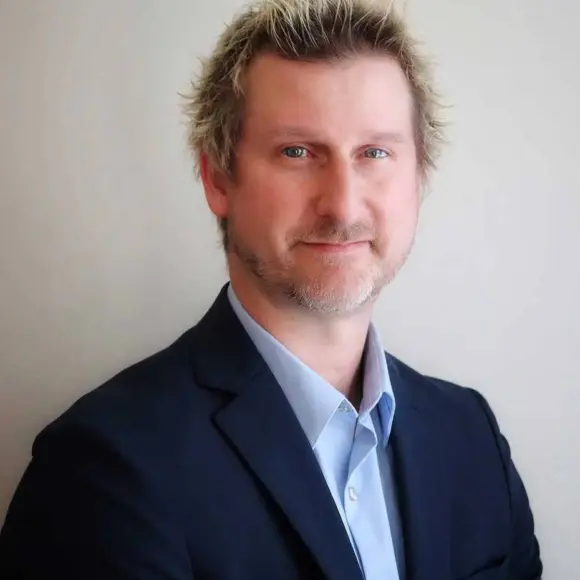
Eric Woollen
Director, Payor Relations
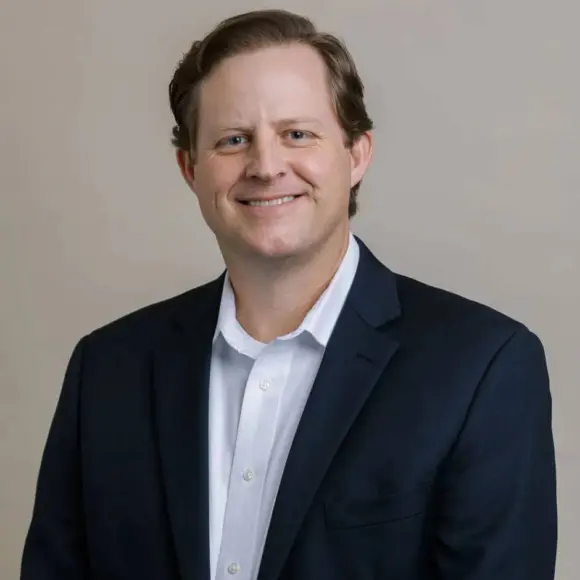
Way Brunson, IT
Vice President

Rob Marsh
Chief Executive Officer
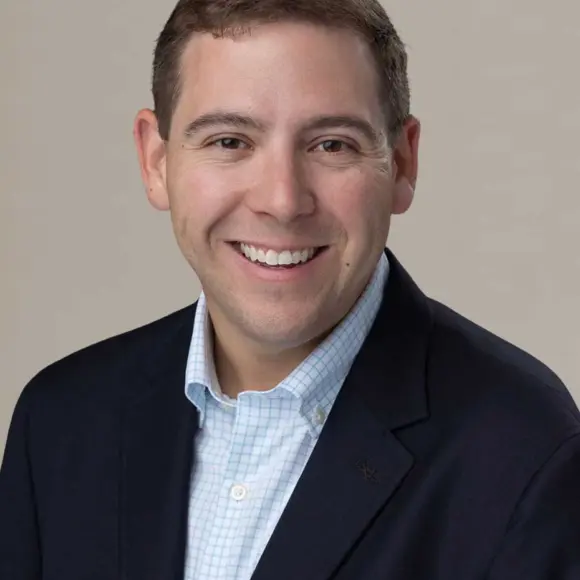
Chandler Keel
Chief Marketing Officer
Accreditations

LegitScript has reviewed Bradford Health Services – Montgomery as part of their certification program, and has determined that it meets the LegitScript standards for legality, safety and transparency.
LegitScript verified in

The Joint Commission, formerly known as JCAHO, is a nonprofit organization that accredits rehab organizations and programs. Founded in 1951, the Joint Commision's mission is to improve the quality of patient care and demonstrating the quality of patient care.
Joint Commission Accreditation: Yes
Rehab.com regularly reviews this listing for accuracy but changes may occur between updates. For the most up-to-date information, please contact Bradford Health Services – Montgomery.
Contact Information


386 Saint Lukes Drive
Montgomery, AL 36117
Sponsored Helpline


