






























































































Dr. Toombs and all the staff at the Midlothian Brightview location are very welcoming, professional, and helpful. Even though there is a location 3 miles from my home in Prince George, I continue to travel the 30 minute ride to the Midlothian location. I am sure they are jus ...
About BrightView
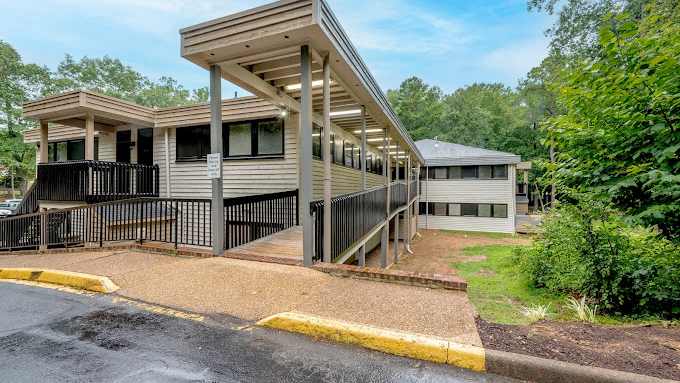
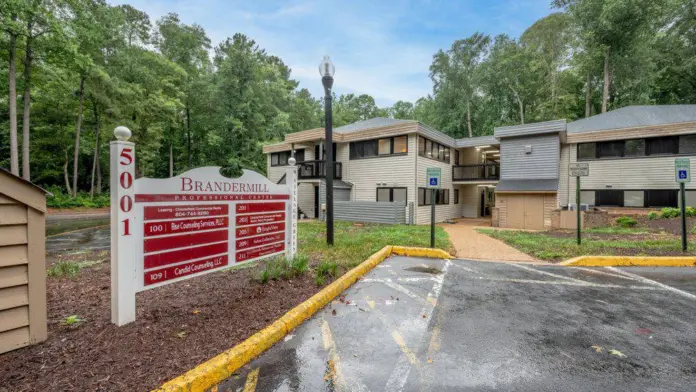
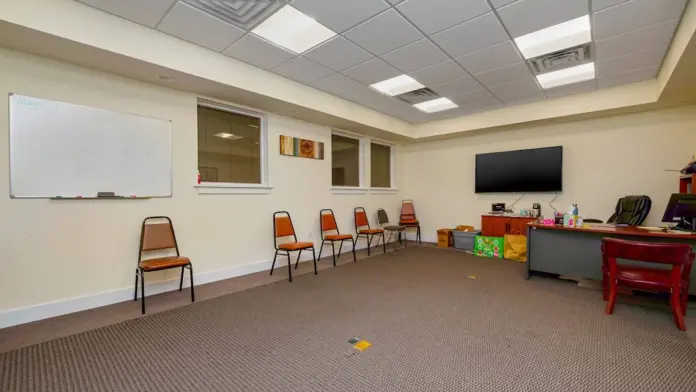
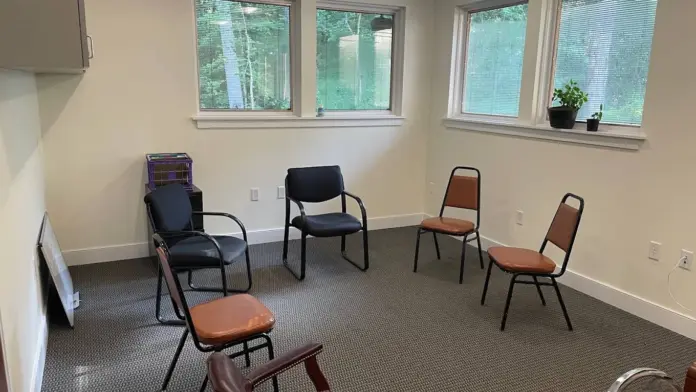
Located just outside of Richmond in Midlothian, Virginia, Brightview is an addiction treatment center for adults. They offer individual and group counseling, medication and social support services. The facility focuses on treating clients with evidence based approaches to help them rebuild their lives.
Clients can be provided with withdrawal medication as well as a medication management plan to reduce their physical cravings and allow them to focus more on recovery. The medications that might be prescribed to you include methadone, Vivitrol, Suboxone and buprenorphine.
The social support staff will help you get access to any services you need to support your recovery. This may include transportation, education, housing, or employment. The facility will also help you with taking care of any insurance issues you may have.
The time spent with an individual and group counselor can be critical to a patient overcoming their addiction. Your individual counselor will help you set up goals and plans for your healing. They’ll also help you process any emotions or trauma that may be the cause of your addiction. Some of the therapeutic approaches your counselor might use are cognitive behavioral therapy and dialectical behavioral therapy.
Both approaches can guide you into changing any negative beliefs or feelings that are hindering your recovery. In group therapy, you’ll be able to share your thoughts and feelings in a supportive environment with peers who are also on the same journey. You’ll receive encouraging feedback and also gain insights from other people’s journey overcoming addiction.
With the facility being in close proximity to Richmond, you can visit the University of Virginia or check out the Virginia Museum of Fine Arts. Midlothian also has various parks that can be a great place to have a relaxing day.
Latest Reviews
Everyone was Greati🥳
Response from the owner1 week ago
Hi Bruce! Thank you for your outstanding 5-star review. We're delighted that you feel positively about BrightView. We appreciate your kind comments!
This place is actually quite good, but I'm not sure if I would recommend it to anyone new if you have other options. At least not right now. I've been going for months and everything was fine and now it's like I see different counselors every time I go.
So I have to keep reiterating my story, specific issues, the supplements I take, etc. over and over again it makes things a little messy. Things have to be a little more consistent for proper assistance.
The turnover rate is bad over there right now which is usually not a good sign. But I don't know what's going on or why. I've probably seen like 7 different counselors now.
The people at the front desk are awesome though and the counselors I have seen numerous times are great, understanding and helpful.
I will update my review in a month or two, hopefully things get better there and stay like that for them.
Response from the owner1 week ago
Justin, thank you for sharing your feedback with us! If there is anything we can do to improve our services, please contact us. We would learn how we can improve!
What a good team to work with from Tamika, Kathleen to Dr Toombs. They are great people who are good at helping others without all the hassle or judgment. Im glad and fortunate to have found them in my need for support.
Response from the owner1 week ago
Cj, we are so happy to see that you feel this way about BrightView! Your kind words about our staff and services make our day! We really appreciate your enthusiasm! Thank you so much for taking the time to share your positive thoughts with us! 
Rehab Score
 Our Methodology
Scoring is assigned by a proprietary system which helps surface key metrics that determine quality. The 10-point scale factors in categories such as operations, customer satisfaction, and trust metrics. Read Full Methodology

7.1 / 10
Gallery
Accepted Insurance
Other Forms of Payment
Private insurance refers to any kind of healthcare coverage that isn't from the state or federal government. This includes individual and family plans offered by an employer or purchased from the Insurance Marketplace. Every plan will have different requirements and out of pocket costs so be sure to get the full details before you start treatment.
Self-pay involves paying for treatment out of your own pocket. You can use savings or credit, get a personal loan, or receive help from family and friends to fund your treatment. If you don't have insurance or your insurance plan doesn't cover a specific program, self-pay can help ensure you still get the care you need.
Medicare is a federal program that provides health insurance for those 65 and older. It also serves people under 65 with chronic and disabling health challenges. To use Medicare for addiction treatment you need to find a program that accepts Medicare and is in network with your plan. Out of pocket costs and preauthorization requirements vary, so always check with your provider.
Medicaid is a state based program that helps lower-income individuals and families pay for healthcare. Medicaid covers addiction treatment so those enrolled can use their coverage to pay for rehab. When a program accepts Medicaid the client often pays very little or nothing out of their own pocket.
Addiction Treatments
Levels of Care
Outpatient Programs (OP) are for those seeking mental rehab or drug rehab, but who also stay at home every night. The main difference between outpatient treatment (OP) and intensive outpatient treatment (IOP) lies in the amount of hours the patient spends at the facility. Most of the time an outpatient program is designed for someone who has completed an inpatient stay and is looking to continue their growth in recovery. Outpatient is not meant to be the starting point, it is commonly referred to as aftercare.
Clients who are in early recovery, leaving detox, or experiencing a crisis often require the intensive treatment of an inpatient rehab facility. Clients in inpatient care receive robust clinical supervision, housing, and meals, allowing them to focus exclusively on their recovery while they stabilize. The primary treatment modalities used in most inpatient centers include extensive addiction counseling and recovery-focused life skills training. Many drug rehabs also offer holistic therapies, such as music, art, fitness, and experiential therapies.
A sober living home in Vermont offers a balance between monitored structure and living in mainstream society. No alcohol or drugs are allowed on the premises, and residents must participate in 12-step meetings. Residents of the halfway house also agree to submit to random drug screenings, pay rent, and participate in household activities such as meetings, meals, and chores.
24-hour clinical care in Virginia features a highly trained team of professionals to treat your physical, mental, and emotional needs. Doctors and nurses are available to prescribe and administer medications. Psychologists and counselors provide professional counseling. Other experts such as nutritionists and addiction specialists may also offer support. This 24/7, comprehensive care is designed to give you the support you need to begin a successful recovery.
Drug and alcohol addiction often takes a heavy toll on one’s body. Over time, a physical dependence can develop, meaning the body physiologically needs the substance to function. Detox is the process of removing drugs and/or alcohol from the body, a process that can be lethal if mismanaged. Medical detox is done by licensed medical professionals who monitor vital signs and keep you safe, healthy, and as comfortable as possible as you go through detox and withdrawal.
Clinical Services
When men and women in Virginia participate in group therapy sessions, they learn to freely express their emotions in a non judgmental setting. This helps you process your feelings and begin to understand the link between your thoughts, feelings, and behaviors that are associated with addictive behavior.
Men and women in Virginia use individual therapy to focus on addiction related challenges as a necessary part of their drug and alcohol addiction treatment. Your therapist guides you in developing coping strategies, setting realistic goals, and building a strong foundation for an improved quality of life.
If you and your partner are facing challenges, couples therapy in Virginia is designed to help you work through those in a healthy way. Common challenges that couples therapy addresses include conflict resolution, financial disagreements, intimacy challenges, health issues, and substance abuse.
Family therapists work with all members of the family to understand the roles they play in the addiction dynamic. Addressing these patterns is crucial to developing healthier ways to interact and support each other, as well as contributing to a more effective recovery for their loved ones.
Amenities
-
 Residential Setting
 -
 Private Rooms
Staff
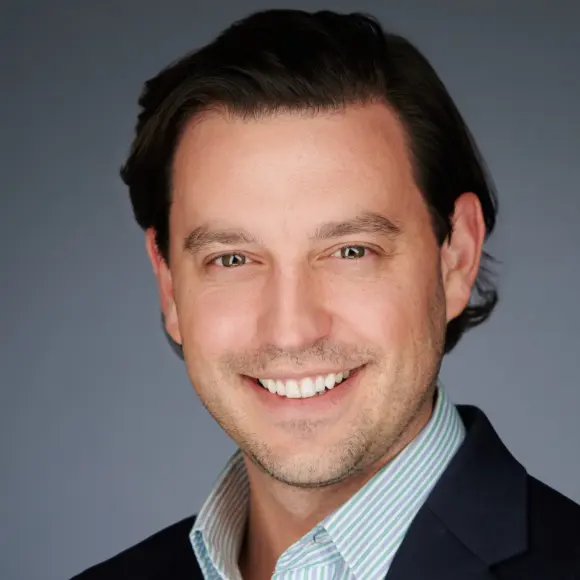
Brad Barker
Chief Financial Offier
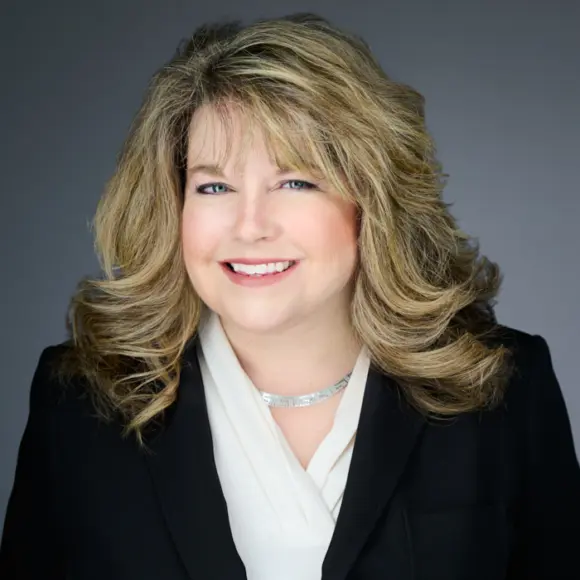
Julie Seitz
Chief Compliance Officer
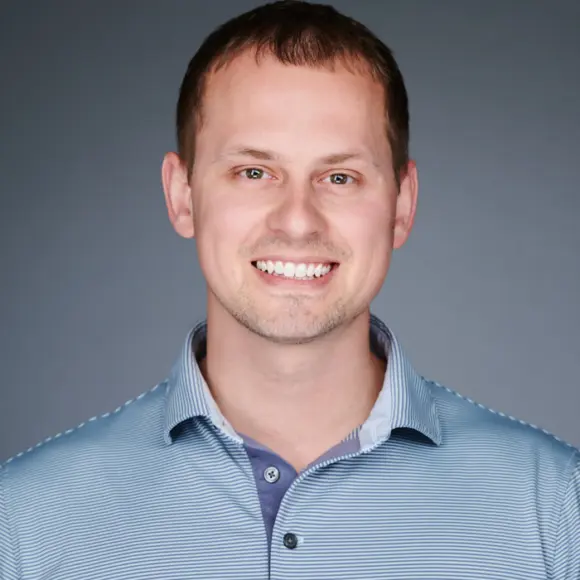
Dylan Jackson
Chief Operating Officer
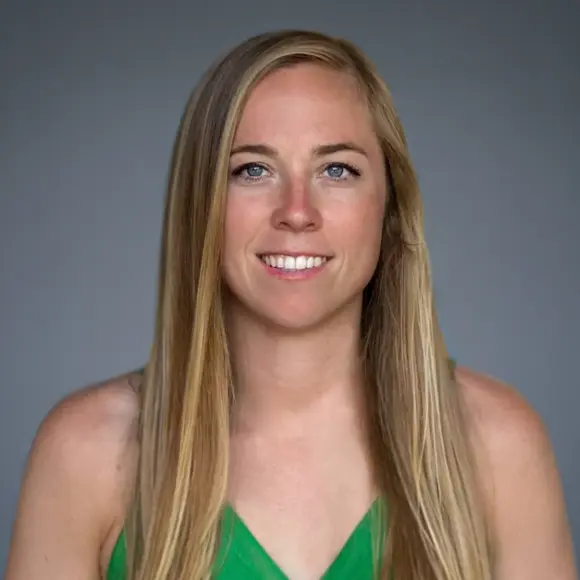
Jen Dumiak
Chief of Staff
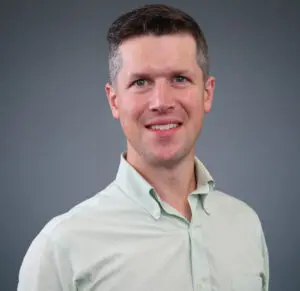
Nick Cook
Chief Legal Officer
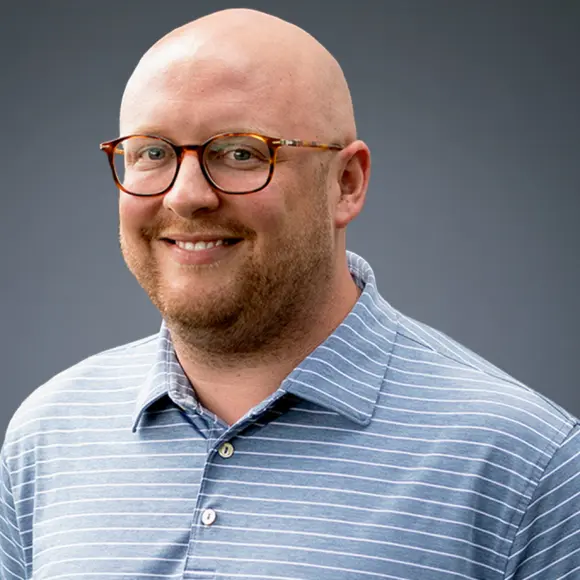
Chad Smith
Chief Executive Officer
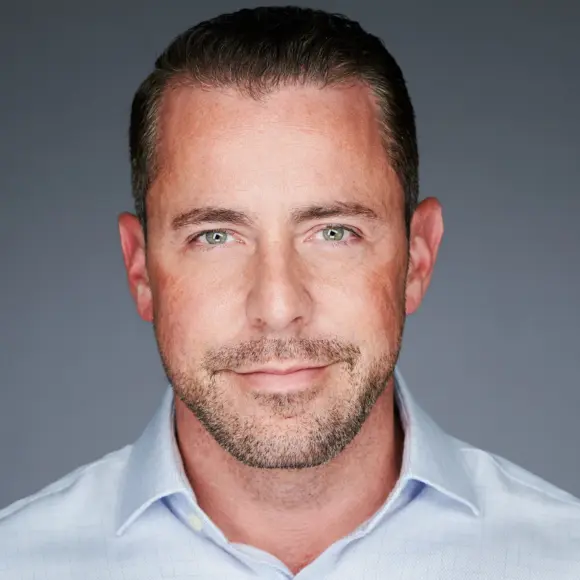
Shawn Ryan, MD,MBA,ABEM,ABAM
Chief Science Officer
Jane Cobler
Chief People Officer
Rehab.com regularly reviews this listing for accuracy but changes may occur between updates. For the most up-to-date information, please contact BrightView.
Contact Information

5001 W Village Green Dr
#205
Midlothian, VA 23112
Get Help Now - 804-331-4905
Sponsored Helpline
Sponsored Helpline

