






























































































I went to BSR for around 6 months. Nothing here helps at all whatsoever. This "christian" based program, like all the other reviews, is practically a front to abuse kids for a paycheck. All staff there are either arrogant or disrespectful. I was made fun of for how I looked ...
About Broken Shackle Ranch
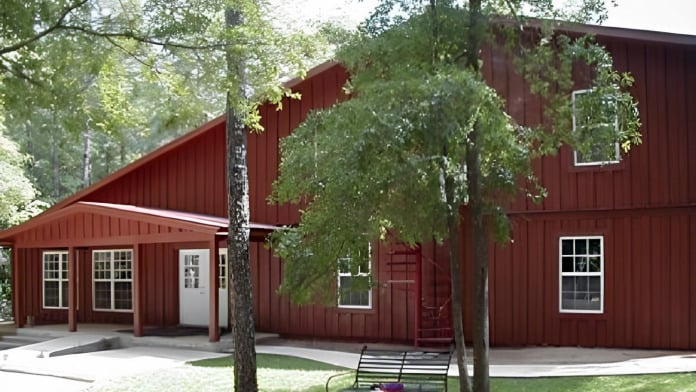
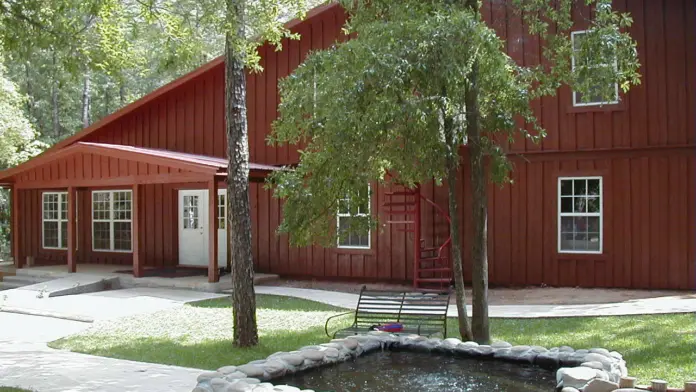
Broken Shackle Ranch is a nonprofit residential addiction treatment and youth development program in Davisboro, Georgia, serving at risk young men ages 16 years and older.
The ranch offers residential care alongside transitional living, combining substance use support with GED education, vocational training and faith based mentorship. Founded in 1984, Broken Shackle Ranch takes a relationship centered, Christian approach.
They help young men grow emotionally, academically, spiritually and vocationally.
Residential Programs and Levels of Care
Programming begins with residential placement on the Davisboro campus, where young men receive counseling, treatment, ministry study, educational services and structured goal setting.
Most residents are referred through Georgia DFCS or DJJ and the rural setting is designed to shelter students from negative influences during recovery. Graduates may continue into transitional living at the Omega House in Augusta or the Joseph House in Statesboro.
These homes provide life enrichment groups, counseling, community outreach, employment networking and secondary education opportunities to support a steady move toward independence.
Quick Facts About Broken Shackle Ranch
Broken Shackle Ranch is located at 1542 Francis Bridge Rd, Davisboro, Georgia, about 2 and a half hours southeast of Atlanta and 1 hour south of Augusta. Levels of care include residential treatment for adolescent males and transitional housing for graduates.
The program serves young men ages 16 years to 21 years facing substance use, emotional, or psychological challenges, including justice involved and child welfare referred youth.
Its approach is faith based, relationship centered care emphasizing character, spiritual growth and vocational preparation. Education and training services include onsite GED instruction and vocational skills training.
Admissions primarily come through agency referrals from DFCS or DJJ and the program does not accept private pay or private placements. Aftercare services include transitional living through the Omega House and Joseph House.
How to Begin Services at Broken Shackle Ranch
Admission to Broken Shackle Ranch in Davisboro, Georgia typically occurs through a referring agency such as DFCS or DJJ. The intake team can walk referring parties through the program structure, eligibility requirements and placement options.
Latest Reviews
Amazing place! 5-stars!
They are giving my grandson Trentton a second chance and he is looking forward to it I pray he learns a lot he will come out a great young man thank you guys for allowing him to come please work with him take care Trebtton I love you.
This place changes lives. Get free from addiction here.

Rehab Score
 Our Methodology
Scoring is assigned by a proprietary system which helps surface key metrics that determine quality. The 10-point scale factors in categories such as operations, customer satisfaction, and trust metrics. Read Full Methodology

5.8 / 10
Gallery
Other Forms of Payment
Private insurance refers to any kind of healthcare coverage that isn't from the state or federal government. This includes individual and family plans offered by an employer or purchased from the Insurance Marketplace. Every plan will have different requirements and out of pocket costs so be sure to get the full details before you start treatment.
Self-pay involves paying for treatment out of your own pocket. You can use savings or credit, get a personal loan, or receive help from family and friends to fund your treatment. If you don't have insurance or your insurance plan doesn't cover a specific program, self-pay can help ensure you still get the care you need.
Financial aid can take many forms. Centers may have grants or scholarships available to clients who meet eligibility requirements. Programs that receive SAMHSA grants may have financial aid available for those who need treatment as well. Grants and scholarships can help you pai for treatment without having to repay.
Sliding scale payments are based on a client's income and family size. The goal is to make treatment affordable to everyone. By taking these factors into account, addiction recovery care providers help ensure that your treatment does not become a financial burden to you or your family, eliminating one barrier to care.
Medicare is a federal program that provides health insurance for those 65 and older. It also serves people under 65 with chronic and disabling health challenges. To use Medicare for addiction treatment you need to find a program that accepts Medicare and is in network with your plan. Out of pocket costs and preauthorization requirements vary, so always check with your provider.
Medicaid is a state based program that helps lower-income individuals and families pay for healthcare. Medicaid covers addiction treatment so those enrolled can use their coverage to pay for rehab. When a program accepts Medicaid the client often pays very little or nothing out of their own pocket.
Addiction Treatments
Levels of Care
Outpatient rehab enables clients to receive addiction treatment while continuing to work and reside at home. Many programs offer evening, night, and weekend services so that clients may receive treatment on their own schedule. Outpatient treatment modalities typically include addiction counseling, recovery-focused life skills training, and/or medication assisted treatment (MAT). Many programs also provide step-down care, including partial hospitalization (PHP), intensive outpatient (IOP), and standard outpatient services, to align with clients' evolving needs.
Intensive Outpatient Programs (IOP) are for those who want or need a very structured treatment program but who also wish to live at home and continue with certain responsibilities (such as work or school). IOP substance abuse treatment programs vary in duration and intensity, and certain outpatient rehab centers will offer individualized treatment programs.
Aftercare, which is sometimes referred to as continuing care or relapse prevention, is a type of structured care meant to help you continue with the progress you've made after completing an addiction treatment program. Most of the time, you'll continue receiving support after a treatment program by partnering with their case managers and staff to identify and access the resources you need to remain sober.
A drug intervention in Georgia is designed to encourage an individual to get the treatment they need. This effort aims to break through resistance and motivate the individual to get help. The process typically involves loved ones sharing their concerns with the individual and how their substance use has affected those who care about them. A professional interventionist can help guide this conversation and explain from the clinical side how treatment can be beneficial.
Inpatient rehabs feature intensive clinical supervision and a highly structured and supportive environment, meaning they are especially well suited for clients in early recovery and those at risk of relapse. Clients reside at the treatment facility and engage in various therapeutic sessions throughout the day, including addiction counseling and recovery-focused life skills training. Many programs also offer evidence-based complementary therapies, such as meditation and massage.
Treatments
The goal of treatment for alcoholism is abstinence. Those with poor social support, poor motivation, or psychiatric disorders tend to relapse within a few years of treatment. For these people, success is measured by longer periods of abstinence, reduced use of alcohol, better health, and improved social functioning. Recovery and Maintenance are usually based on 12 step programs and AA meetings.
A quality drug rehab in Georgia can help you overcome addiction. This environment is designed to help you address the complex issues contributing to drug dependence. The goal of treatment is to give you the tools you need to make a full recovery.
A combined mental health and substance abuse rehab has the staff and resources available to handle individuals with both mental health and substance abuse issues. It can be challenging to determine where a specific symptom stems from (a mental health issue or an issue related to substance abuse), so mental health and substance abuse professionals are helpful in detangling symptoms and keeping treatment on track.
Opioid rehabs specialize in supporting those recovering from opioid addiction. They treat those suffering from addiction to illegal opioids like heroin, as well as prescription drugs like oxycodone. These centers typically combine both physical as well as mental and emotional support to help stop addiction. Physical support often includes medical detox and subsequent medical support (including medication), and mental support includes in-depth therapy to address the underlying causes of addiction.
Programs
Adult rehab programs include therapies tailored to each client's specific needs, goals, and recovery progress. They are tailored to the specific challenges adult clients may face, including family and work pressures and commitments. From inpatient and residential treatment to various levels of outpatient services, there are many options available. Some facilities also help adults work through co-occurring conditions, like anxiety, that can accompany addiction.
Young adulthood can be an exciting, yet difficult, time of transition. Individuals in their late teens to mid-20s face unique stressors related to school, jobs, families, and social circles, which can lead to a rise in substance use. Rehab centers with dedicated young adult programs will include activities and amenities that cater to this age group, with an emphasis on specialized counseling, peer socialization, and ongoing aftercare.
Teen programs are designed to address the unique pressures teens face, pressures that can drive them to experiment with dangerous, addictive substances. They need programs that meet them exactly where they are and give them tools for long-term recovery. Therapy can help teenagers understand and work through underlying issues so they can reclaim the life ahead of them.
Clinical Services
While cognitive behavioral therapy in Georgia is unique for each person, this therapy follows a standard structure that has proven effective. Clients first learn about their substance use disorder, then learn and practice techniques such as coping, stress management, and resilience to change their thought and behavior patterns.
People in Georgia find that group therapy offers a place to share responsibility for each other's recovery. This helps foster a collective commitment to sobriety, which increases your potential for success and creates a network of mutual support that often follows into personal friendships.
Life skills trainings involve all the skills a person must have in order to function successfully in the world. These include time management, career guidance, money management, and effective communication. Truly successful addiction recovery is based on the ability to not only live substance-free, but to thrive. Life skills teaches the practical necessities of functioning in society, which sets clients up for success in life, and therefore sobriety.
Men and women in Georgia may experience Motivational Interviewing techniques while undergoing individual therapy for drug and alcohol addiction treatment. This approach helps you explore how you feel about drug use and it strengthens your commitment to maintaining treatment. It is particularly useful in the early stages of recovery.
Amenities
-
 Private Setting
Staff
Gary L. Cobb
Executive Director & Founder
David R. Cobb
COO & CFO
Mitch Sheppard
BOD
Paul Turner
BOD
Robert Langford
BOD
Kati Everett
BOD
Christian Courtney
BOD
Eric Hindmon
BOD
Rehab.com regularly reviews this listing for accuracy but changes may occur between updates. For the most up-to-date information, please contact Broken Shackle Ranch.
Contact Information

1542 Francis Bridge Rd
Davisboro, GA 31018
Get Help Now - 912-456-1071
Sponsored Helpline
Sponsored Helpline


