





























































































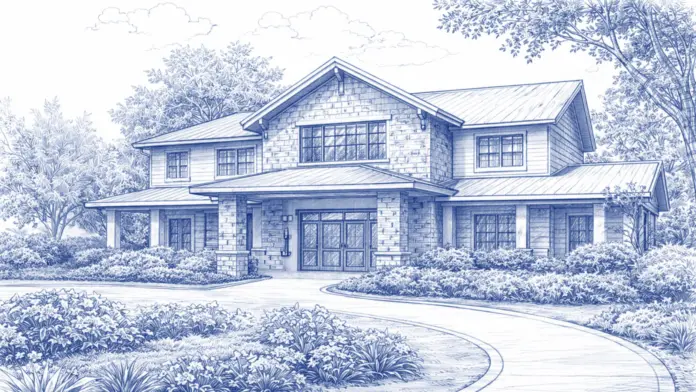
About Burgess Wellness

Rehab Score
 Our Methodology


Location
Addiction Treatments
Levels of Care
Inpatient rehabs provide a safe, supportive environment for clients to focus on their recovery secure from outside distractions, stressors, and triggers. Clients receive housing, meals, and intensive clinical supervision. They also engage in extensive addiction counseling, often including group and family therapy. Many programs prioritize recovery-focused life skills training to support clients' reintegration into their home, workplace, school, and community. Evidence-based holistic therapies, such as yoga, acupuncture, meditation, hypnotherapy, or animal therapy, may also be provided.
Outpatient rehab enables clients to continue to work, attend school, or reside at home while undergoing treatment, including addiction counseling and recovery-focused life skills training. Evening, night, and weekend sessions are available at many facilities to ensure continuous access to care on the client's schedule. Many centers also offer ancillary services, such as career coaching and peer mentoring, to promote clients' sustained recovery and community integration. Higher-level outpatient treatment, including intensive outpatient (IOP) care, is also widely available.
Treatments
Individuals who suffer from alcoholism drink to the extent that they harm themselves or others and have an impaired ability to stop drinking. Their alcohol use disorder may be classified as mild, moderate, or severe. At any level, alcohol rehab in Missouri can help individuals overcome alcohol addiction. Treatment includes physiological, psychological, and social aspects to provide comprehensive care that leads to long-term recovery.
Drug rehab in Missouri usually involves several phases: detox, rehab, and aftercare. The rehab phase may include a combination of inpatient and outpatient treatments, as the individual moves through a continuum of care on their recovery journey.
Specialized dual-diagnosis addiction treatment programs in Missouri include inpatient residential rehab, outpatient, intensive outpatient, detox, and partial hospitalization programs. Offering a full continuum of care, their clinicians have the expertise to treat individuals with co-occurring substance use disorder and mental health conditions at the same time. The benefits of dual-diagnosis treatment are enhanced recovery outcomes, improved overall health and well-being, and it equips individuals with the information and skills required to sustain long-term sobriety.
Inpatient treatment provides mental health services with residency in the rehab facility for the duration of treatment. During treatment, you'll likely participate in evidence-based therapies like cognitive-behavioral therapy (CBT) and dialectical behavior therapy (DBT), medication management, and skill development – all under the guidance of an expert mental health therapist. By focusing on both aspects of your mental health and treating your addiction, you'll gain vital skills to cope with cravings, manage stress, and prevent relapse. Family therapy or mindfulness training may also be available, which helps to improve mental health.
Clinical Services
The goal of cognitive behavioral therapy in Missouri is to help clients change their thinking and behavioral patterns. Strategies of treatment include role playing, facing fears, and calming techniques.
 Equine Therapy
 Animal Therapy
Rehab.com regularly reviews this listing for accuracy but changes may occur between updates. For the most up-to-date information, please contact Burgess Wellness.
Contact Information


412 Locust St, Columbia, MO 65201
Sponsored Helpline
