I thought they accepted my insurance and they do not, they charged me more than they should, and the people in the billing area are inept
About BHG Boise Treatment Center
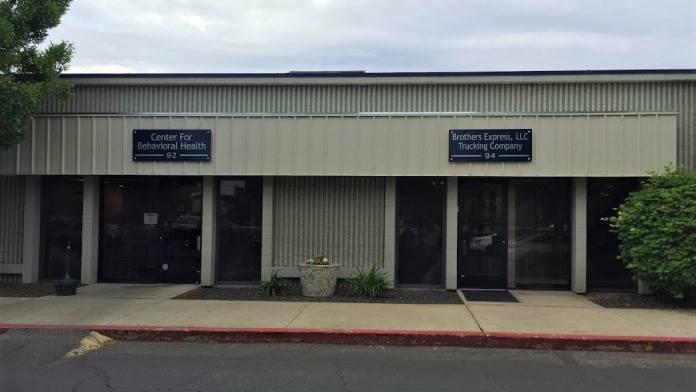
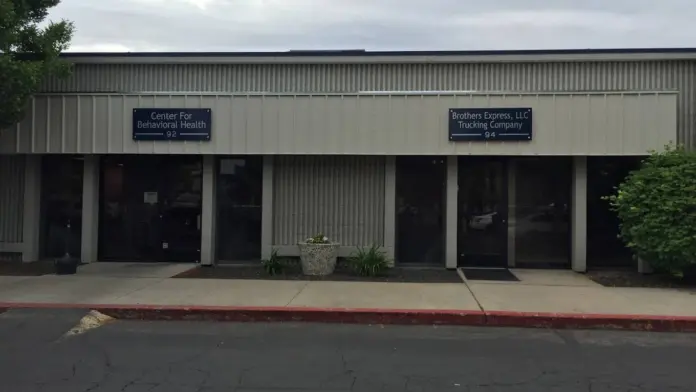
BHG Boise Treatment Center offers an outpatient opioid treatment program in Boise, Idaho. It was previously called the Center for Behavioral Health.
It provides methadone and buprenorphine treatment, counseling, medical evaluation, case management and peer recovery support for adults across the Treasure Valley.
It offers a full range of four medication pathways under one roof paired with dosing hours built around a workday.
Multiple Medication Pathways
Rather than working from a single medication BHG Boise Treatment Center offers you four distinct pathways for opioid use disorder which includes daily medically supervised methadone and buprenorphine available in clinic and by prescription.
It also provides extended release buprenorphine injections such as Sublocade or Brixadi, and naltrexone. This combines the structured opioid treatment program model with office based prescription care in one location.
This programming means that if you start on methadone and later want to move to a monthly injection you can do so without transferring clinics.
Medical oversight includes addiction medicine, pain management and family medicine. The clinic also accepts walk-ins and transfers from other programs.
Morning Methadone Dosing Hours
BHG Boise dispenses medication Monday through Friday and they offer early dosing hours.
If you’re on daily methadone and hold a job or morning responsibilities, that pre dawn window is the difference between staying in treatment and missing doses.
They also offer same day appointments and eligible patients meeting federal and state criteria may qualify for take home medication.

Latest Reviews
Rehab Score
Gallery
Other Forms of Payment
Private insurance refers to any kind of healthcare coverage that isn't from the state or federal government. This includes individual and family plans offered by an employer or purchased from the Insurance Marketplace. Every plan will have different requirements and out of pocket costs so be sure to get the full details before you start treatment.
Self-pay involves paying for treatment out of your own pocket. You can use savings or credit, get a personal loan, or receive help from family and friends to fund your treatment. If you don't have insurance or your insurance plan doesn't cover a specific program, self-pay can help ensure you still get the care you need.
Medicare is a federal program that provides health insurance for those 65 and older. It also serves people under 65 with chronic and disabling health challenges. To use Medicare for addiction treatment you need to find a program that accepts Medicare and is in network with your plan. Out of pocket costs and preauthorization requirements vary, so always check with your provider.
Medicaid is a state based program that helps lower-income individuals and families pay for healthcare. Medicaid covers addiction treatment so those enrolled can use their coverage to pay for rehab. When a program accepts Medicaid the client often pays very little or nothing out of their own pocket.
Addiction Treatments
Levels of Care
Outpatient Programs (OP) are for those seeking mental rehab or drug rehab, but who also stay at home every night. The main difference between outpatient treatment (OP) and intensive outpatient treatment (IOP) lies in the amount of hours the patient spends at the facility. Most of the time an outpatient program is designed for someone who has completed an inpatient stay and is looking to continue their growth in recovery. Outpatient is not meant to be the starting point, it is commonly referred to as aftercare.
Intensive Outpatient Programs (IOP) are for those who want or need a very structured treatment program but who also wish to live at home and continue with certain responsibilities (such as work or school). IOP substance abuse treatment programs vary in duration and intensity, and certain outpatient rehab centers will offer individualized treatment programs.
Clients participating in a rehab aftercare program receive a variety of services designed to support their sustained sobriety and successful reintegration into their home, workplace, and community. Rehab aftercare services may include formal outpatient care, such as addiction counseling and recovery education provided in an outpatient treatment center. They may also include community-based services, including 12 step program induction, peer coaching, and vocational training. These programs are typically designed in partnership with the client's case manager.
Drug and alcohol addiction often takes a heavy toll on one's body. Over time, a physical dependence can develop, meaning the body physiologically needs the substance to function. Detox is the process of removing drugs and/or alcohol from the body, a process that can be lethal if mismanaged. Medical detox is done by licensed medical professionals who monitor vital signs and keep you safe, healthy, and as comfortable as possible as you go through detox and withdrawal.
Treatments
The goal of treatment for alcoholism is abstinence. Those with poor social support, poor motivation, or psychiatric disorders tend to relapse within a few years of treatment. For these people, success is measured by longer periods of abstinence, reduced use of alcohol, better health, and improved social functioning. Recovery and Maintenance are usually based on 12 step programs and AA meetings.
Drug rehab in Idaho provides treatment for addiction to drugs. It usually includes a combination of treatment methods that can involve counseling, medication, and a variety of evidence-based therapies. Programs are designed to help individuals manage their substance use disorder long-term.
A combined mental health and substance abuse rehab has the staff and resources available to handle individuals with both mental health and substance abuse issues. It can be challenging to determine where a specific symptom stems from (a mental health issue or an issue related to substance abuse), so mental health and substance abuse professionals are helpful in detangling symptoms and keeping treatment on track.

Opioid rehabs specialize in supporting those recovering from opioid addiction. They treat those suffering from addiction to illegal opioids like heroin, as well as prescription drugs like oxycodone. These centers typically combine both physical as well as mental and emotional support to help stop addiction. Physical support often includes medical detox and subsequent medical support (including medication), and mental support includes in-depth therapy to address the underlying causes of addiction.

Programs
Adult rehab programs include therapies tailored to each client's specific needs, goals, and recovery progress. They are tailored to the specific challenges adult clients may face, including family and work pressures and commitments. From inpatient and residential treatment to various levels of outpatient services, there are many options available. Some facilities also help adults work through co-occurring conditions, like anxiety, that can accompany addiction.
Young adulthood can be an exciting, yet difficult, time of transition. Individuals in their late teens to mid-20s face unique stressors related to school, jobs, families, and social circles, which can lead to a rise in substance use. Rehab centers with dedicated young adult programs will include activities and amenities that cater to this age group, with an emphasis on specialized counseling, peer socialization, and ongoing aftercare.
Clinical Services
Group therapy is any therapeutic work that happens in a group (not one-on-one). There are a number of different group therapy modalities, including support groups, experiential therapy, psycho-education, and more. Group therapy involves treatment as well as processing interaction between group members.
Staff & Accreditations
Staff
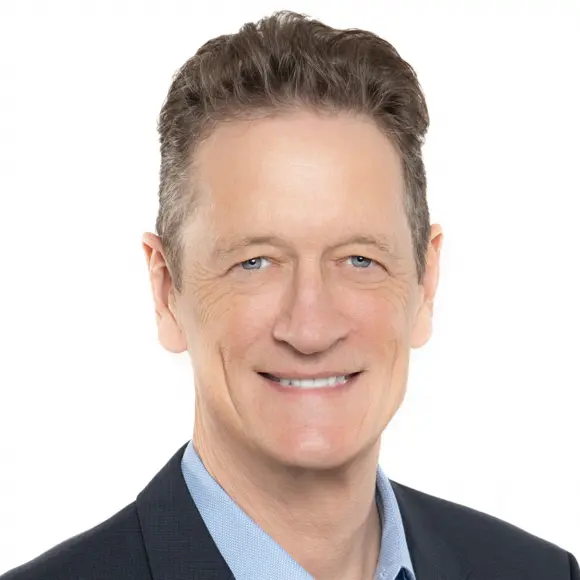
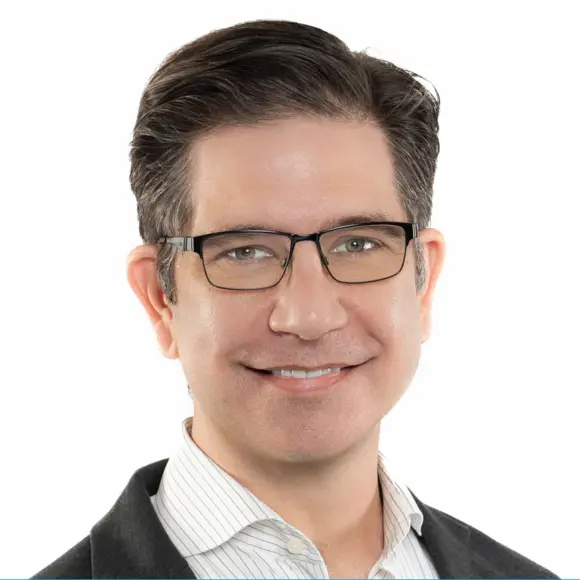
Jay Higham
CEO
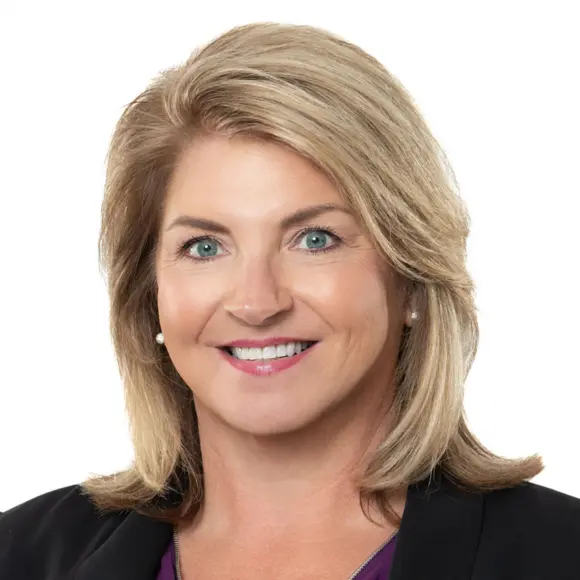
Julie Koenig
COO
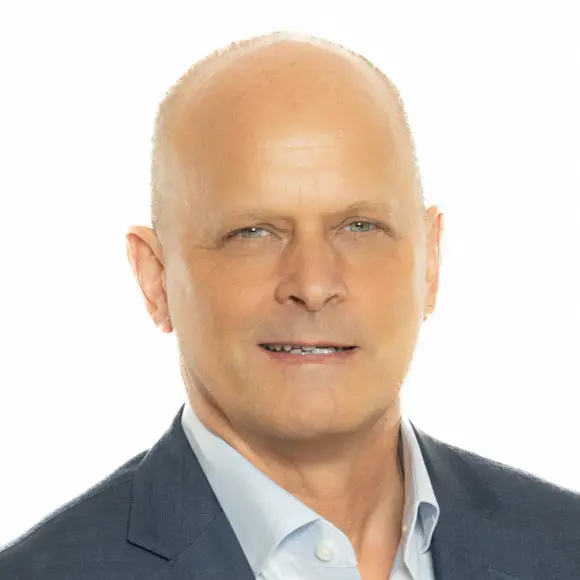
James Hopwood
CFO
Dwight Mussleman
Chief Development Officer
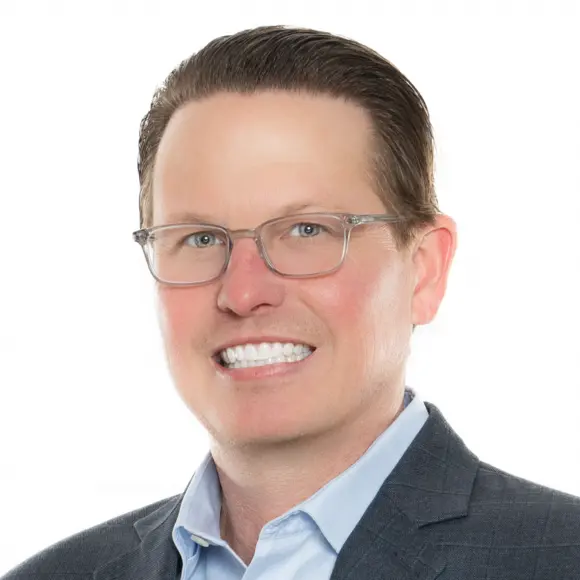
Benjamin Nordstrom
Chief Medical Officer
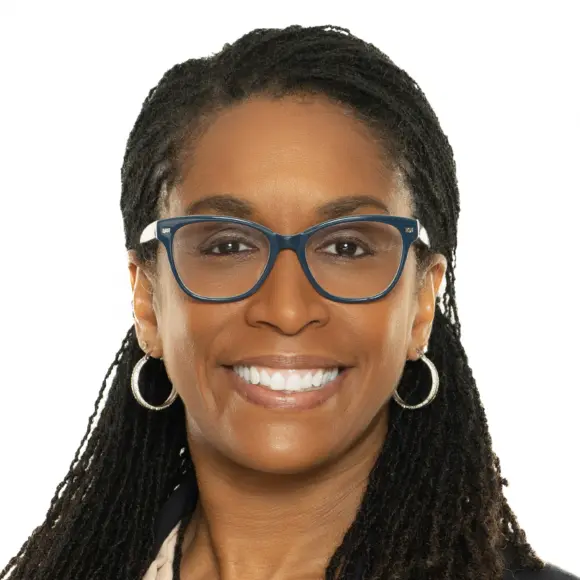
Dr. Kamala Greene Génecé, PhD
Chief Clnical Officer
Russel Goin
Chief People Officer
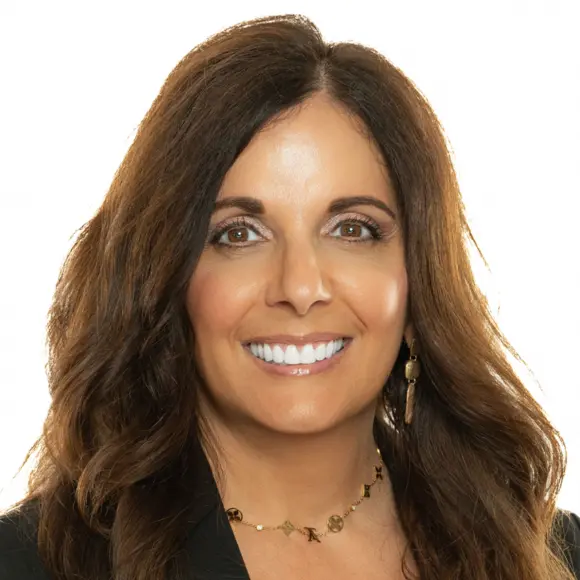
Angela Valchine
Senior VP of Sales and Marketing
Accreditations
The Substance Abuse and Mental Health Services Administration (SAMHSA) is a branch of the U.S. Department of Health and Human Services. Established in 1992 by congress, SAMHSA's mission is to reduce the impact of substance abuse and mental illness on American's communities.
SAMHSA Listed: Yes
The Commission on Accreditation of Rehabilitation Facilities (CARF) is a non-profit organization that specifically accredits rehab organizations. Founded in 1966, CARF's, mission is to help service providers like rehab facilities maintain high standards of care.
CARF Accreditation: Yes
The Joint Commission, formerly known as JCAHO, is a nonprofit organization that accredits rehab organizations and programs. Founded in 1951, the Joint Commision's mission is to improve the quality of patient care and demonstrating the quality of patient care.
Joint Commission Accreditation: Yes
Rehab.com regularly reviews this listing for accuracy but changes may occur between updates. For the most up-to-date information, please contact BHG Boise Treatment Center.
Contact Information
92 South Cole Road
Boise ID, 83709