Our Rehab Score is designed to make it easier for you to find the best treatment centers. We combine overall ratings with recent feedback to create a score that reflects a center's quality right now.
Our Rehab Score is designed to make it easier for you to find the best treatment centers. We combine overall ratings with recent feedback to create a score that reflects a center's quality right now.
8.65 / 10
About Choice House
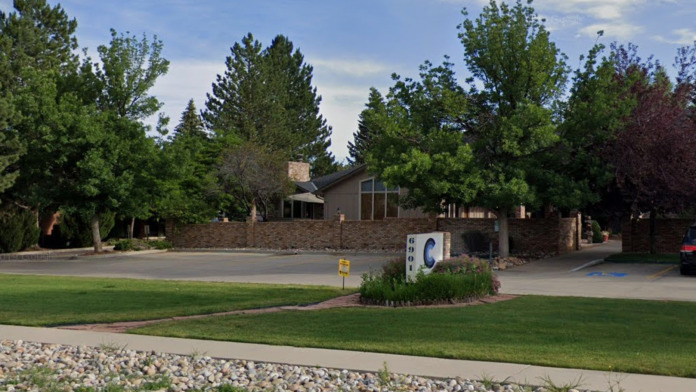
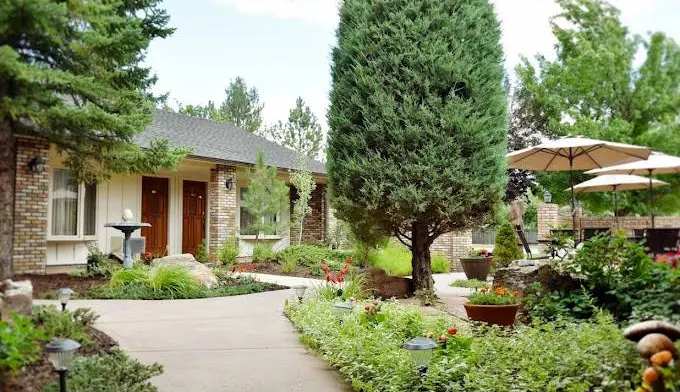
Their 90 day residential program is their most intensive offering. In this program, you’ll live on site and receive 24/7 care from their clinical staff. At this level, they’re focused on stabilizing your physical health and addressing any psychological issues you might be dealing with. One thing that stands out to me about this facility is its beautiful, natural setting. You can work on your recovery through individual and group counseling, as well as experiential therapies, all while enjoying the stunning backdrop of South Boulder.
Once you’ve completed this program, you may want to live in a safe, sober space before you head back out on your own. That’s what their transitional living program is for. This residence gives you the chance to put your new life skills into practice while you continue to get treatment and care. They expect you to stay in the program for at least 120 days, but you may stay longer if you need extra time. The step down from this is their structured sober living program, which gives you more independence as you get further in your recovery.
Something I like about this facility is that the outpatient counseling services focus on issues that affect men directly. You’ll have the chance to talk about the co-occurring conditions that go along with your addiction, like depression and anxiety. In addition, you’ll also learn strategies to help you make the most of your life in recovery, including tips on relationships and emotional regulation.
People who have stayed here in the past reflect fondly on their time in the program. One former client said the experience truly changed their life for the better, while another said the facility was in a beautiful location with caring staff.
As a mother of a son that went to Choice House for treatment, I cannot say enough about this program and credit them 100% for saving my son’s life! After a lot of research, I discovered a 90 day inpatient program plus sober living has the best outcomes for long term sobriety. My son completed 90 days inpatient and living in sober living 1yr which was an integral part of molding him into the man he is today. He has been sober 3 1/2 years and still lives in Colorado surrounded by the supportive community he built while in treatment. This review is long overdue and I felt compelled to share after just returning from a visit with my son in Colorado and seeing the life he has built. I am forever grateful to the Choice House staff for the support they offered me and my son!
Shout out Jordan, Phil, Gabe, Jill, Cat, Jake and Tyler 💛
I completed residential and sober living with Choice House. They walked with me through the most difficult process of my life. From taking me to 12 step meetings, great therapy, EMDR, and a robust outdoor program , I would recommend Choice House to anyone that is looking for a treatment for their loved one.
I can’t say enough great things about my time at Choice House and how I truly believe they helped me regain my life. The staff and care were incredible and the facility was top notch. The expertise that Choice House provides towards mental health and recovery and individuals well being helped me greatly in getting my life back on track and providing knowledge and assistance for when I was ready to reintegrate into the world and out of their care. The community I have built through choice house has provided me with friends for life and a staff that still cares about me long after I have departed treatment there. I would highly recommend this facility for anyone looking for treatment and have so for many people in my life.
Scoring is assigned by a proprietary system which helps surface key metrics that determine quality. The 10-point scale factors in categories such as operations, customer satisfaction, and trust metrics. Read Full Methodology
8.6 / 10
Gallery
Other Forms of Payment
Private insurance refers to any kind of healthcare coverage that isn't from the state or federal government. This includes individual and family plans offered by an employer or purchased from the Insurance Marketplace. Every plan will have different requirements and out of pocket costs so be sure to get the full details before you start treatment.
Self-pay involves paying for treatment out of your own pocket. You can use savings or credit, get a personal loan, or receive help from family and friends to fund your treatment. If you don't have insurance or your insurance plan doesn't cover a specific program, self-pay can help ensure you still get the care you need.
Addiction Treatments
Levels of Care
Outpatient rehabs offer a wide variety of services and levels of care to align with clients' unique and evolving needs. Outpatient care is best suited for clients who are stable and for those who wish to remain at home while receiving treatment. Clients typically receive addiction counseling and recovery-focused life skills training, including participating in evening, night, and weekend sessions to accommodate clients' schedules. Clients at an increased relapse risk may receive more frequent and intensive treatment.
Clients entering an inpatient rehab typically require more intensive treatment than those in outpatient care. Clients often start inpatient treatment immediately after completing a detox program. Upon admission, they engage in extensive psychotherapy, receive recovery-focused life skills training, and participate in evidence-based complementary therapies, such as meditation, massage, acupuncture, and/or animal, creative arts, recreational, and experiential therapy.
Intensive Outpatient Programs (IOP) are for those who want or need a very structured treatment program but who also wish to live at home and continue with certain responsibilities (such as work or school). IOP substance abuse treatment programs vary in duration and intensity, and certain outpatient rehab centers will offer individualized treatment programs.
Clients engaged in a rehab aftercare program have completed active addiction treatment and are receiving services designed to promote their sustained sobriety. Drug rehab aftercare typically encompasses a wide variety of medical, mental health, and social services meant to facilitate clients' reintegration into their home, workplace, and community. Clients typically collaborate with their case manager and/or recovery team to identify and access the services they need, often including peer coaching, career counseling, and care referrals.
Addiction recovery based on a 12 step program model is rooted in peer support and spiritual development. Participants regularly attend 12 step meetings, which are free, anonymous, peer-led, and available throughout the day and night in most communities. Clients' recovery is achieved progressively as they work through the 12 steps, which teach them to understand and address the root causes of their addiction, become accountable for their choices, and relinquish control over that which cannot be changed.
Residents of a sober living home in Colorado are encouraged to continue to develop coping skills and habits they learned in treatment. They can typically live at the halfway house as long as they want, until they feel they are ready to transition home. During their stay, they must adhere to house rules, which may include contributing to household chores, abiding by a curfew, and maintaining a job.
For those that don't require round-the-clock care, a partial hospitalization program (PHP) is a short-term option that can be used as a step-down treatment or as an alternative to intensive hospitalization. PHP treatment requires up to 5 days a week of commitment where you'll receive 6 to 8 hours of support every day. While a partial hospitalization program typically requires a commute, telehealth may be available. PHP treatment costs can vary but are often covered by most insurance.
Detox can be dangerous if not properly supervised, making 24-hour clinical care in Colorado an essential tool in the recovery process. The constant monitoring by medical professionals helps individuals through critical stages of recovery. Medical professionals and addiction specialists are available 24/7 to provide medications that ease withdrawal symptoms and to treat any other issues that arise.
The process of medically assisted detox usually takes place in an inpatient setting while under the 24/7 care of a team of licensed medical professionals. It's considered the safest way to rid the body of all addictive substances and prepare you for a transition into either an inpatient program or various forms of outpatient rehab. The program length varies depending on your needs, but it typically takes about 5-7 days.
Treatments
Substance rehabs focus on helping individuals recover from substance abuse, including alcohol and drug addiction (both illegal and prescription drugs). They often include the opportunity to engage in both individual as well as group therapy.
Programs
Adult rehab programs include therapies tailored to each client's specific needs, goals, and recovery progress. They are tailored to the specific challenges adult clients may face, including family and work pressures and commitments. From inpatient and residential treatment to various levels of outpatient services, there are many options available. Some facilities also help adults work through co-occurring conditions, like anxiety, that can accompany addiction.
Young adulthood can be an exciting, yet difficult, time of transition. Individuals in their late teens to mid-20s face unique stressors related to school, jobs, families, and social circles, which can lead to a rise in substance use. Rehab centers with dedicated young adult programs will include activities and amenities that cater to this age group, with an emphasis on specialized counseling, peer socialization, and ongoing aftercare.
Clinical Services
Group therapy is any therapeutic work that happens in a group (not one-on-one). There are a number of different group therapy modalities, including support groups, experiential therapy, psycho-education, and more. Group therapy involves treatment as well as processing interaction between group members.
In individual therapy, a patient meets one-on-one with a trained psychologist or counselor. Therapy is a pivotal part of effective substance abuse treatment, as it often covers root causes of addiction, including challenges faced by the patient in their social, family, and work/school life.
During trauma therapy, you explore the impact that a traumatic event has had on your life. Your therapist can help you develop strategies to manage the emotional and physical symptoms while improving emotional regulation. This improves your overall quality of life.
Research clearly demonstrates that recovery is far more successful and sustainable when loved ones like family members participate in rehab and substance abuse treatment. Genetic factors may be at play when it comes to drug and alcohol addiction, as well as mental health issues. Family dynamics often play a critical role in addiction triggers, and if properly educated, family members can be a strong source of support when it comes to rehabilitation.
Addiction therapy uses recreation to provide structured activities that replace substance use with positive experiences. For example, swimming, cooking classes, and hiking trips encourage social interaction and improve physical health and emotional stability. This helps you rebuild your life without relying on drugs or alcohol.
Amenities
Private Transportation
Residential Setting
Hiking
Mountain Views
Staff & Accreditations
Staff
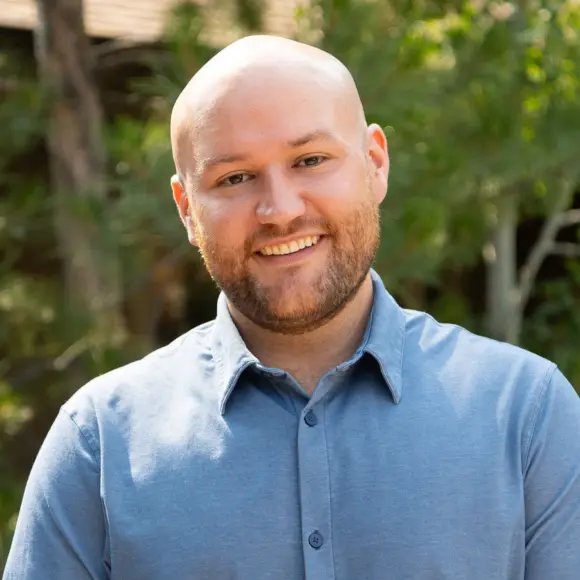
Jordan Hamilton
CEO
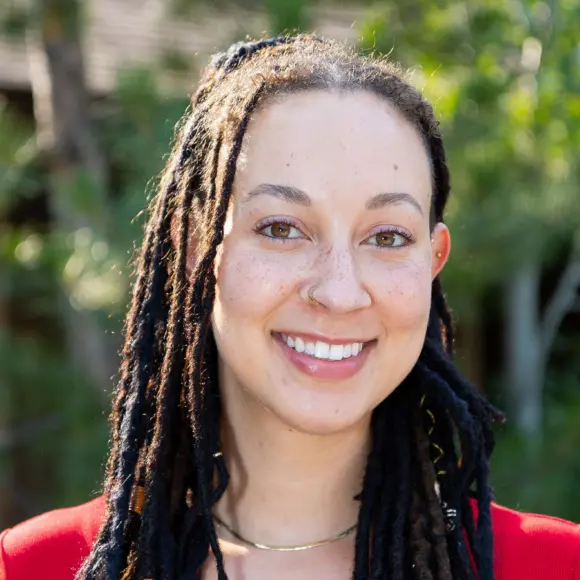
Jeff Hamilton
Co-Owner & CFO
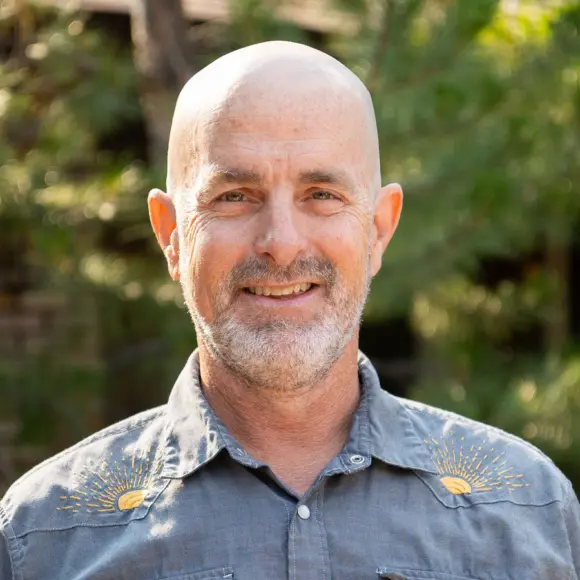
Tyler Richardson
Co-Owner
Alex Colins
Chief Operating Officer
Jill Krush, MS, LPC, NCC, CAC III
Chief Exeriential Officer and Family Program Guide
Josh Miller
Director of Referent and Family Communication
Phil Nutt
Director of Admissions
Cat Carranza, LCSW, LAC
Clinical Director
Dr. Arshad William, M.D.
Medical Director
Gabriel Krush, CCAR
Director of Sober Living
Shawn Krush
Activities Director
Accreditations
The Joint Commission, formerly known as JCAHO, is a nonprofit organization that accredits rehab organizations and programs. Founded in 1951, the Joint Commision's mission is to improve the quality of patient care and demonstrating the quality of patient care.
Joint Commission Accreditation: Yes
The National Association of Addiction Treatment Providers (NAATP) is a professional association that represents organizations in the field of addiction services. Founded in 1978, NAATP's mission is to advance addiction services and ensure that high-quality addiction treatment is available and accessible.
NAATP Member: Yes
Rehab.com regularly reviews this listing for accuracy but changes may occur between updates. For the most up-to-date information, please contact Choice House.
The program has the right idea but has failed in execution especially pertaining to the overpriced sober living extension of the program. 36k for 4 months. you pay for 2 drug tests a week that aren’t even sent to a lab that cost 3 dollars. They they have case managers but ...
Read More
What a disappointment. My stepson just spent the last 90 days at Choice House. He met with a psychiatrist once. According to him, the psychiatrist told him he did not need medication after one 45 minute visit. We were told that patients need to detox prior to receiving a diagnosis which makes sense. Anyhow, 90 days later there was still no diagnosis. This is how they rope you into sober living so they can take more of your money. Close to 100,000 was spent and this kid/adult is not any better. I was not looking for a miracle but something-at the very least a diagnosis. I also do not believe my stepson was given a treatment plan once he left there to go to a different sober living facility. I do not recommend-save your dollars. In addition, we requested information regarding his treatment: they have not sent it. We asked three times.
k Carter
1 month ago
5
As a mother of a son that went to Choice House for treatment, I cannot say enough about this program and credit them 100% for saving my son’s life! After a lot of research, I discovered a 90 day inpatient program plus sober living has the best outcomes for long term sobriety. My son completed 90 days inpatient and living in sober living 1yr which was an integral part of molding him into the man he is today. He has been sober 3 1/2 years and still lives in Colorado surrounded by the supportive community he built while in treatment. This review is long overdue and I felt compelled to share after just returning from a visit with my son in Colorado and seeing the life he has built. I am forever grateful to the Choice House staff for the support they offered me and my son!
Shout out Jordan, Phil, Gabe, Jill, Cat, Jake and Tyler 💛
Daniel Jeter
1 month ago
5
I completed residential and sober living with Choice House. They walked with me through the most difficult process of my life. From taking me to 12 step meetings, great therapy, EMDR, and a robust outdoor program , I would recommend Choice House to anyone that is looking for a treatment for their loved one.
Billy Haynes
1 month ago
5
I can’t say enough great things about my time at Choice House and how I truly believe they helped me regain my life. The staff and care were incredible and the facility was top notch. The expertise that Choice House provides towards mental health and recovery and individuals well being helped me greatly in getting my life back on track and providing knowledge and assistance for when I was ready to reintegrate into the world and out of their care. The community I have built through choice house has provided me with friends for life and a staff that still cares about me long after I have departed treatment there. I would highly recommend this facility for anyone looking for treatment and have so for many people in my life.
Courtney Myers is an NC-based writer and editor. She has more than 15 years of content creation experience and has written extensively on mental health, substance abuse, and addiction recovery. She holds an MS in Technical Communication from N.C. State University.
By calling the helpline you agree to the terms of use. We do not receive any commission or fee that is dependent upon which treatment provider a caller chooses. There is no obligation to enter treatment.
Calls to numbers on a specific treatment center listing will be routed to that treatment center. Calls to any general helpline could be forwarded to SAMHSA or a verified treatment provider.
If you wish to connect with non-sponsor centers, you can browse top-rated listings, visit our homepage and browse by state, or visit SAMHSA.

 Sponsored Helpline


































































































 Private Transportation
  Residential Setting
  Hiking
  Mountain Views