










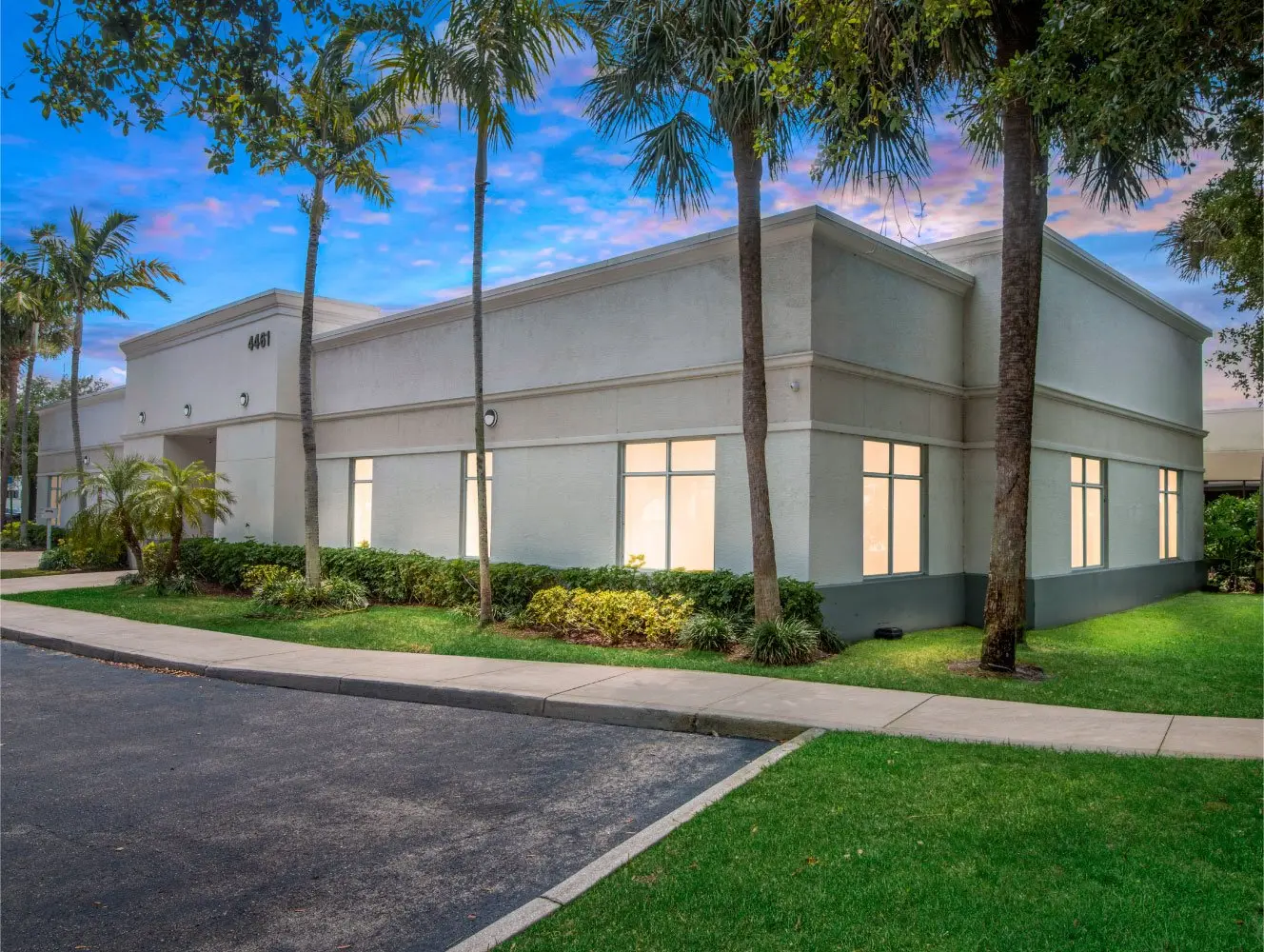
All In Solutions Wellness Center
1
Top 10 Rehab Centers In West Palm Beach



















































































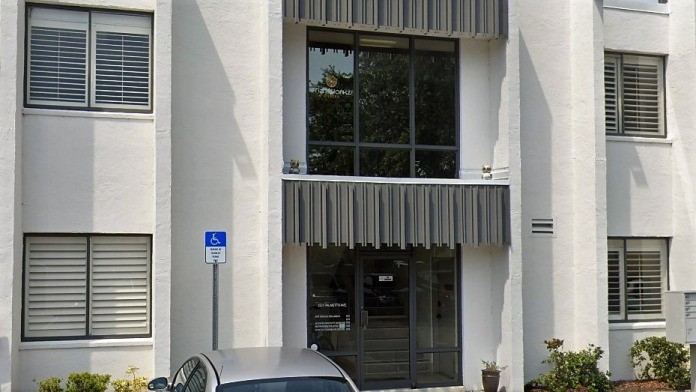
Their distinguishing feature is their outpatient therapy services for individuals, couples, groups that meet weekly and family sessions. They start their treatment with an examination of the behaviors and physical nature of the addiction, and the development of the skills necessary to live a sober life.
They help clients dealing with addiction, mental health issues, dysfunctional family systems, and grief from trauma. Psychodrama is their main modality of therapy, which allows clients to actively deal with the underlying issues and emotions that drive chronic relapse and negative patterns of behavior.
They also offer intensive monthly weekend and five-day therapy programs for those seeking help for deeper core issues such as trauma. They also provide intensive outpatient therapy through their Extended Care program for recovering individuals in need of more structured treatment than traditional outpatient therapy.
They offer therapeutic services for pilots suffering from alcoholism or drug abuse. They provide weekly group therapy sessions for HIMS pilots. These sessions focus on peer support, recovery from addiction, and psychodrama techniques. One of the former clients praised their staff and counseling techniques.


 Our Methodology


Self-pay involves paying for treatment out of your own pocket. You can use savings or credit, get a personal loan, or receive help from family and friends to fund your treatment. If you don't have insurance or your insurance plan doesn't cover a specific program, self-pay can help ensure you still get the care you need.
Outpatient Programs (OP) are for those seeking mental rehab or drug rehab, but who also stay at home every night. The main difference between outpatient treatment (OP) and intensive outpatient treatment (IOP) lies in the amount of hours the patient spends at the facility. Most of the time an outpatient program is designed for someone who has completed an inpatient stay and is looking to continue their growth in recovery. Outpatient is not meant to be the starting point, it is commonly referred to as aftercare.
Intensive Outpatient Programs (IOP) are for those who want or need a very structured treatment program but who also wish to live at home and continue with certain responsibilities (such as work or school). IOP substance abuse treatment programs vary in duration and intensity, and certain outpatient rehab centers will offer individualized treatment programs.
A combined mental health and substance abuse rehab has the staff and resources available to handle individuals with both mental health and substance abuse issues. It can be challenging to determine where a specific symptom stems from (a mental health issue or an issue related to substance abuse), so mental health and substance abuse professionals are helpful in detangling symptoms and keeping treatment on track.
Adult rehab programs include therapies tailored to each client's specific needs, goals, and recovery progress. They are tailored to the specific challenges adult clients may face, including family and work pressures and commitments. From inpatient and residential treatment to various levels of outpatient services, there are many options available. Some facilities also help adults work through co-occurring conditions, like anxiety, that can accompany addiction.
Research clearly demonstrates that recovery is far more successful and sustainable when loved ones like family members participate in rehab and substance abuse treatment. Genetic factors may be at play when it comes to drug and alcohol addiction, as well as mental health issues. Family dynamics often play a critical role in addiction triggers, and if properly educated, family members can be a strong source of support when it comes to rehabilitation.
Group therapy is any therapeutic work that happens in a group (not one-on-one). There are a number of different group therapy modalities, including support groups, experiential therapy, psycho-education, and more. Group therapy involves treatment as well as processing interaction between group members.
In individual therapy, a patient meets one-on-one with a trained psychologist or counselor. Therapy is a pivotal part of effective substance abuse treatment, as it often covers root causes of addiction, including challenges faced by the patient in their social, family, and work/school life.
President
Drug Court Liaison and Case Manager
Psychotherapist
Licensed Mental Health Counselor
Ma Licensed Professional Counselor
Supervisor, Quality Improvement
Rehab.com regularly reviews this listing for accuracy but changes may occur between updates. For the most up-to-date information, please contact Choices Counseling Center.

1331 Palmetto Avenue
Suite 203
Winter Park, FL 32789
Sponsored Helpline

My parents sent me here in 2016 and it was a horrible experience. I was 14, living with adult women, and spent my first two days cleaning cockroaches and mold from the house we stayed. When I had blisters from sweeping, Elizabeth Trainer instructed me to lie to my parents when they visited and say I did it to myself. I did not even have sheets to sleep on. They accused me of clogging the shower drain by throwing up my food when that wasn't true. They forced me to attend AA meetings at 14 years old surrounded by adults. They forced me to sit outside a church room for hours while the adults attended SAA meetings. It was an atrocious attempt at rehabilitation and when I told my mom about these things and she came to remove me, Beth told my mom if I did not stay I would end up dead in a ditch. This place is a cult run by a HACK of a therapist. Please don't send your children here.


Beth and her team are phenomenal. I have been a happy customer of her services for 7 years as has my wife. She is attentive and understanding. She knows how to communicate a solution and how to assist in developing skills needed for life’s challenges.
 Back
Back
Sharing your insights and experiences can help others learn more about this rehab center.

 Written By: Sehar Uddin


