






























































































I graduated recently from this program and must say between staff members getting fired from drug use and one particular counselor named Heather extremely over medicated nodding in and out of conscienceness during one on one sessions and not preparing after care home plans u ...
About Clem-Mar House
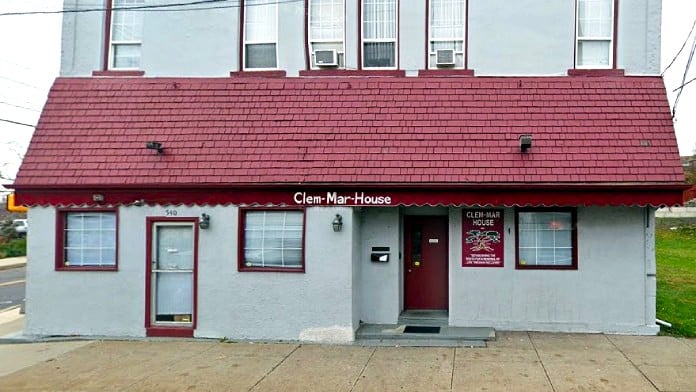
Clem-Mar House is a residential recovery residence in Edwardsville, Pennsylvania, offering structured halfway house programming for adults in early recovery from substance use disorders. The men’s facility at 540 Main Street provides a safe, drug and alcohol-free environment where clients can rebuild stability over three to six months. With a mission to help clients “move forward,” Clem-Mar House emphasizes practical re-entry skills, counseling and accountability alongside traditional 12-step support.
Residential Recovery Programs at Clem-Mar House
Clients begin with an in-person intake interview and orientation before entering the residential halfway house program, which serves as a bridge between inpatient treatment and independent living. The structured environment includes on-site individual and group counseling, cognitive behavioral therapy and peer support, with ongoing assessment throughout the stay.
Beyond clinical services, the program focuses on real-world functioning: employment readiness, budgeting, time management, responsibility and healthy boundaries. Residents are expected to engage in Alcoholics Anonymous or Narcotics Anonymous meetings as part of their recovery plan, and the program addresses co-occurring mental health and substance use disorders in a supportive, gender-specific setting.
What to Know About Clem-Mar House
- Location: Men’s residential facility at 540 Main Street, Edwardsville, PA; separate women’s program in Dallas, PA
- Services: Three- to six-month residential halfway house with individual and group counseling
- Who they serve: Adult men in recovery (18+); co-occurring mental health and substance use disorders welcomed
- Approach: Structured re-entry focus using CBT, life skills training and 12-step involvement
- Payment: Accepts Medicaid, TRICARE, self-pay and offers financial assistance options
- Established: Founded in 1994, serving over 2,000 men and 1,200 women across both facilities
How to Begin Treatment
To start the process, prospective residents complete an in-person intake interview at Clem-Mar House in Edwardsville to discuss goals, assess fit and review payment options. The admissions team can answer questions about the program structure, insurance coverage and next steps for entering the men’s residential facility.
Latest Reviews
This facility saved my life. After decades of failed attempts at long-term sobriety, I came through Clem, and was taught the skills and mechanisms that had been missing from my program. The combination of 12 Step Recovery and essential life skills I was lacking were provided with enthusiasm and encouragement. Clem-Mar gave my kids their father back and provided me the confidence and opportunity necessary to grow into the person I was capapble of being.
A great place to start your journey of a new way of life. Staff that sincerely care and a program made for success!! Recovery is priority one!!
Great Program with great staff. If you're serious about recovery this is the place to go.

Rehab Score
 Our Methodology
Scoring is assigned by a proprietary system which helps surface key metrics that determine quality. The 10-point scale factors in categories such as operations, customer satisfaction, and trust metrics. Read Full Methodology

5.8 / 10
Gallery
Other Forms of Payment
Private insurance refers to any kind of healthcare coverage that isn't from the state or federal government. This includes individual and family plans offered by an employer or purchased from the Insurance Marketplace. Every plan will have different requirements and out of pocket costs so be sure to get the full details before you start treatment.
Self-pay involves paying for treatment out of your own pocket. You can use savings or credit, get a personal loan, or receive help from family and friends to fund your treatment. If you don't have insurance or your insurance plan doesn't cover a specific program, self-pay can help ensure you still get the care you need.
Medicaid is a state based program that helps lower-income individuals and families pay for healthcare. Medicaid covers addiction treatment so those enrolled can use their coverage to pay for rehab. When a program accepts Medicaid the client often pays very little or nothing out of their own pocket.
Military members, veterans, and eligible dependents have access to specific insurance programs that help them get the care they need. TRICARE and VA insurance can help you access low cost or no cost addiction and mental health treatment. Programs that accept military insurance often have targeted treatment focused on the unique challenges military members, veterans, and their families face.
Addiction Treatments
Levels of Care
Residential treatment programs are those that offer housing and meals in addition to substance abuse treatment. Rehab facilities that offer residential treatment allow patients to focus solely on recovery, in an environment totally separate from their lives. Some rehab centers specialize in short-term residential treatment (a few days to a week or two), while others solely provide treatment on a long-term basis (several weeks to months). Some offer both, and tailor treatment to the patient's individual requirements.
Sober Living Houses (SLHs), aka sober homes or halfway houses, are safe, substance-free, supportive living facilities for those recovering from substance abuse. Ideal for those who've just been through inpatient or outpatient treatment, SLHs are supervised environments with rules that support sobriety, such as curfews, shared chores, and therapeutic meetings. Residents are also often trained on life skills and coping skills to make it easier to transition into society. SLHs also provide a strong sense of community that can lead to the kind of deep and lasting connections with other sober individuals that supports a new, healthy lifestyle.
12-step programs are addiction recovery models based on Alcoholics Anonymous (AA). A number of substance abuse programs (including some drug and alcohol rehab centers) use the 12 steps as a basis for treatment. Beginning steps involve admitting powerlessness over the addiction and creating a spiritual basis for recovery. Middle steps including making direct amends to those who've been hurt by the addiction, and the final step is to assist others in addiction recovery in the same way. 12-Step offshoots including Narcotics Anonymous (NA), Cocaine Anonymous (CA), Dual Recovery Anonymous (DRA), Sex and Love Addicts Anonymous (SLAA) and Gamblers Anonymous (GA).
Treatments
The goal of treatment for alcoholism is abstinence. Those with poor social support, poor motivation, or psychiatric disorders tend to relapse within a few years of treatment. For these people, success is measured by longer periods of abstinence, reduced use of alcohol, better health, and improved social functioning. Recovery and Maintenance are usually based on 12 step programs and AA meetings.
Drug rehab in Pennsylvania is devoted to the treatment of addiction. Levels of care, treatment methods, and settings differ, but the aim of each program is to end drug dependency and empower participants to achieve long-term recovery.
A combined mental health and substance abuse rehab has the staff and resources available to handle individuals with both mental health and substance abuse issues. It can be challenging to determine where a specific symptom stems from (a mental health issue or an issue related to substance abuse), so mental health and substance abuse professionals are helpful in detangling symptoms and keeping treatment on track.
Opioid rehabs specialize in supporting those recovering from opioid addiction. They treat those suffering from addiction to illegal opioids like heroin, as well as prescription drugs like oxycodone. These centers typically combine both physical as well as mental and emotional support to help stop addiction. Physical support often includes medical detox and subsequent medical support (including medication), and mental support includes in-depth therapy to address the underlying causes of addiction.
Programs
Adult rehab programs include therapies tailored to each client's specific needs, goals, and recovery progress. They are tailored to the specific challenges adult clients may face, including family and work pressures and commitments. From inpatient and residential treatment to various levels of outpatient services, there are many options available. Some facilities also help adults work through co-occurring conditions, like anxiety, that can accompany addiction.
Young adulthood can be an exciting, yet difficult, time of transition. Individuals in their late teens to mid-20s face unique stressors related to school, jobs, families, and social circles, which can lead to a rise in substance use. Rehab centers with dedicated young adult programs will include activities and amenities that cater to this age group, with an emphasis on specialized counseling, peer socialization, and ongoing aftercare.
Clinical Services
Cognitive Behavioral Therapy (CBT) is a therapy modality that focuses on the relationship between one's thoughts, feelings, and behaviors. It is used to establish and allow for healthy responses to thoughts and feelings (instead of unhealthy responses, like using drugs or alcohol). CBT has been proven effective for recovering addicts of all kinds, and is used to strengthen a patient's own self-awareness and ability to self-regulate. CBT allows individuals to monitor their own emotional state, become more adept at communicating with others, and manage stress without needing to engage in substance abuse.
Group therapy is any therapeutic work that happens in a group (not one-on-one). There are a number of different group therapy modalities, including support groups, experiential therapy, psycho-education, and more. Group therapy involves treatment as well as processing interaction between group members.
Couples therapy in Pennsylvania is typically short term treatment that focuses on building skills that lead to positive long term relationship changes. Sessions with the therapist may occur both jointly and individually.
In individual therapy, a patient meets one-on-one with a trained psychologist or counselor. Therapy is a pivotal part of effective substance abuse treatment, as it often covers root causes of addiction, including challenges faced by the patient in their social, family, and work/school life.
Emotions that surface during experiential therapy can reveal how you've coped with situations in the past. A trained therapist will guide you through conversations about your emotions and reactions either during therapy or in a follow up session. Therapy may include activities such as equine therapy, wilderness therapy, martial arts, drama, music, or art.
Life skills are the mental and social skills that are necessary to navigate day to day life. Addiction diminishes or eliminates these skills, so they must be relearned and practiced during drug rehab treatment in Pennsylvania.
Amenities
-
 Residential Setting
 -
 Private Rooms
Staff & Accreditations
Staff
Lynn Barto
Clinical Director
Accreditations

The Substance Abuse and Mental Health Services Administration (SAMHSA) is a branch of the U.S. Department of Health and Human Services. Established in 1992 by congress, SAMHSA's mission is to reduce the impact of substance abuse and mental illness on American's communities.
SAMHSA Listed: Yes
Rehab.com regularly reviews this listing for accuracy but changes may occur between updates. For the most up-to-date information, please contact Clem-Mar House.
Contact Information

540 Main Street
Edwardsville, PA 18704
Get Help Now - 717-287-9194
Sponsored Helpline
Sponsored Helpline

