





























































































About Compass Health Network
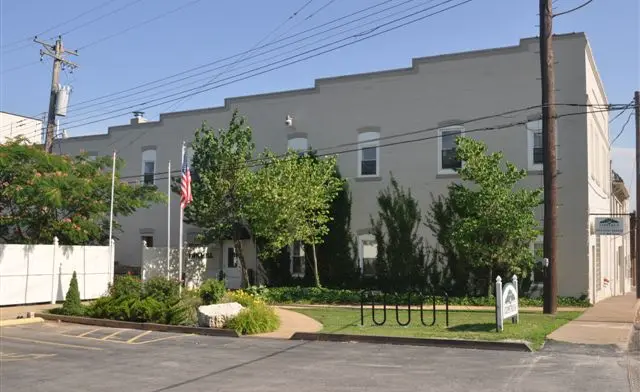
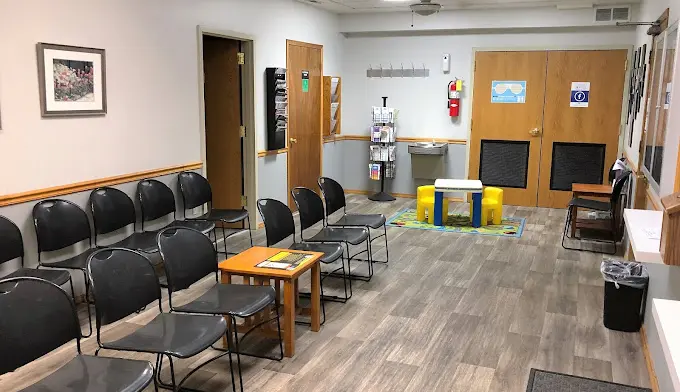
Compass Health Network is a behavioral health and addiction treatment center in Festus, Missouri offering a full continuum of substance use disorder services.
They use an integrated and whole person approach that addresses co-occurring mental health conditions alongside addiction combining evidence based counseling with community recovery supports.
Addiction Treatment Programs at Compass Health Network
Clients can access care through outpatient substance use disorder treatment which includes client and group counseling designed to fit varying levels of need. Those requiring more structure may benefit from intensive outpatient services or transition to residential care depending on the severity of their addiction and co-occurring challenges.
Treatment integrates behavioral therapies, recovery support services, and MAT to support long term sobriety. Compass Health Network also offers a Collegiate Recovery Program for college students helping them maintain recovery while continuing their education.
Telehealth options are available for certain services and 24 hour crisis intervention is accessible when urgent support is needed.
Key Features of Compass Health Network
- Location: N Mill St, Festus, Missouri, serving the greater Jefferson County area
- Levels of care: Outpatient, intensive outpatient, and residential substance use disorder treatment
- Who they treat: Children, adolescents, and adults struggling with addiction and co-occurring mental health conditions
- Treatment approach: Integrated behavioral health care, MAT for opioid use disorder, individual and group counseling
- Specialized programs: Collegiate Recovery Program for students, crisis intervention services
- Telehealth: Remote care options available for select services to improve access

Rehab Score
 Our Methodology


Gallery
Other Forms of Payment
Private insurance refers to any kind of healthcare coverage that isn't from the state or federal government. This includes individual and family plans offered by an employer or purchased from the Insurance Marketplace. Every plan will have different requirements and out of pocket costs so be sure to get the full details before you start treatment.
Self-pay involves paying for treatment out of your own pocket. You can use savings or credit, get a personal loan, or receive help from family and friends to fund your treatment. If you don't have insurance or your insurance plan doesn't cover a specific program, self-pay can help ensure you still get the care you need.
Financial aid can take many forms. Centers may have grants or scholarships available to clients who meet eligibility requirements. Programs that receive SAMHSA grants may have financial aid available for those who need treatment as well. Grants and scholarships can help you pai for treatment without having to repay.
Medicaid is a state based program that helps lower-income individuals and families pay for healthcare. Medicaid covers addiction treatment so those enrolled can use their coverage to pay for rehab. When a program accepts Medicaid the client often pays very little or nothing out of their own pocket.
Medicare is a federal program that provides health insurance for those 65 and older. It also serves people under 65 with chronic and disabling health challenges. To use Medicare for addiction treatment you need to find a program that accepts Medicare and is in network with your plan. Out of pocket costs and preauthorization requirements vary, so always check with your provider.
Military members, veterans, and eligible dependents have access to specific insurance programs that help them get the care they need. TRICARE and VA insurance can help you access low cost or no cost addiction and mental health treatment. Programs that accept military insurance often have targeted treatment focused on the unique challenges military members, veterans, and their families face.
Addiction Treatments
Levels of Care
Outpatient rehab enables clients to continue to work, attend school, or reside at home while undergoing treatment, including addiction counseling and recovery-focused life skills training. Evening, night, and weekend sessions are available at many facilities to ensure continuous access to care on the client's schedule. Many centers also offer ancillary services, such as career coaching and peer mentoring, to promote clients' sustained recovery and community integration. Higher-level outpatient treatment, including intensive outpatient (IOP) care, is also widely available.
Inpatient rehabs provide a safe, supportive environment for clients to focus on their recovery secure from outside distractions, stressors, and triggers. Clients receive housing, meals, and intensive clinical supervision. They also engage in extensive addiction counseling, often including group and family therapy. Many programs prioritize recovery-focused life skills training to support clients' reintegration into their home, workplace, school, and community. Evidence-based holistic therapies, such as yoga, acupuncture, meditation, hypnotherapy, or animal therapy, may also be provided.
Intensive outpatient programs provide an intermediate level of care, often supporting clients' transition from inpatient rehab to outpatient treatment. Most IOP programs require a minimum of nine therapeutic hours weekly, but clients may receive up to 20 hours of care, with the intensity and frequency of care declining as clients grow stronger in their sobriety. Intensive outpatient treatment generally combines addiction counseling, recovery education, holistic therapies, and, for some, medication assisted treatment (MAT).
Rehab aftercare programs offer continuing care for clients in the maintenance phase of recovery and are designed to evolve over time. Outpatient treatment is generally categorized as drug rehab aftercare, but many clients continue to receive services after being discharged from formal care. These services are customized to clients' unique recovery goals, but typically include medical, mental health, and social services. Clients' case manager and recovery team play a key role in developing the client's care plan.
A drug intervention in Missouri is a planned meeting between a person struggling with addiction and their close friends and family members. The goal of the intervention is to motivate the individual to seek treatment. To be successful, an intervention requires careful planning which may involve intervention services from an intervention specialist. Theyl can be certified by the Association of Intervention Specialists, or they may have other expertise that qualifies them for this role.
Treatments
The goal of treatment for alcoholism is abstinence. Those with poor social support, poor motivation, or psychiatric disorders tend to relapse within a few years of treatment. For these people, success is measured by longer periods of abstinence, reduced use of alcohol, better health, and improved social functioning. Recovery and Maintenance are usually based on 12 step programs and AA meetings.
Drug rehab in Missouri usually involves several phases: detox, rehab, and aftercare. The rehab phase may include a combination of inpatient and outpatient treatments, as the individual moves through a continuum of care on their recovery journey.
Opioid rehabs specialize in supporting those recovering from opioid addiction. They treat those suffering from addiction to illegal opioids like heroin, as well as prescription drugs like oxycodone. These centers typically combine both physical as well as mental and emotional support to help stop addiction. Physical support often includes medical detox and subsequent medical support (including medication), and mental support includes in-depth therapy to address the underlying causes of addiction.
Substance rehabs focus on helping individuals recover from substance abuse, including alcohol and drug addiction (both illegal and prescription drugs). They often include the opportunity to engage in both individual as well as group therapy.
Programs
Adult rehab programs include therapies tailored to each client's specific needs, goals, and recovery progress. They are tailored to the specific challenges adult clients may face, including family and work pressures and commitments. From inpatient and residential treatment to various levels of outpatient services, there are many options available. Some facilities also help adults work through co-occurring conditions, like anxiety, that can accompany addiction.
Young adulthood can be an exciting, yet difficult, time of transition. Individuals in their late teens to mid-20s face unique stressors related to school, jobs, families, and social circles, which can lead to a rise in substance use. Rehab centers with dedicated young adult programs will include activities and amenities that cater to this age group, with an emphasis on specialized counseling, peer socialization, and ongoing aftercare.
Clinical Services
The goal of cognitive behavioral therapy in Missouri is to help clients change their thinking and behavioral patterns. Strategies of treatment include role playing, facing fears, and calming techniques.
A complete course of dialectical behavior therapy typically takes six months. Skills training happens in a group setting. You'll also attend weekly individual treatment sessions to receive coaching from a therapist. You'll work on understanding and accepting your feelings and learn how to manage them to make positive changes.
Peer support within a group therapy session in Missouri allows you to interact with your peers who are also struggling with drug addiction. You can share your stories and learn how to express your emotions openly in a non judgmental setting. These strategies help to reduce your feelings of isolation which are often associated with addiction.
In individual therapy, a patient meets one-on-one with a trained psychologist or counselor. Therapy is a pivotal part of effective substance abuse treatment, as it often covers root causes of addiction, including challenges faced by the patient in their social, family, and work/school life.
Motivational interviewing is a short term method often used during drug rehab in Missouri. It typically lasts one or two sessions, with the goal of facilitating conversation about change. The client should leave the sessions feeling more decisive and secure in their ability to make the changes they desire in their life.
Couples therapy in Missouri deals with the problems each partner has within themselves and with each other. Sessions may be held jointly and others individually to address these issues and help each partner learn how to manage challenges in healthy ways.
Family therapy sessions help individual family members in Missouri learn to improve their communication skills and understand how the family dynamic is both affected by addiction and affects their loved one's addiction. Therapists work with individual members to identify and modify negative behaviors which helps create a more supportive home environment.
Life skills give you the ability to maintain healthy relationships, complete day to day tasks, and cope with challenges. Because substance use disorder often diminishes these skills, rehab in Missouri includes integrated life skills training to rebuild and reinforce these abilities.
Amenities
-
 Residential Setting
 -
 Private Setting
Staff
Tim Swinfard
President & CEO
Gloria Miller
Executive VP, Chief Behavioral Health Officer
Alan Stevens
Executive VP, COO
Peter Lyskowski
Executive VP, Chief Administrative Officer
Jake Krafve
Executive VP, CFO
Dr. Katherine Friedebach
Executive VP, Chief Medical Officer
Diane Coletta
Senior VP of Human Resources
Mayme Sloan
Executive VP, Compliance & Quality & General Counsel
Rehab.com regularly reviews this listing for accuracy but changes may occur between updates. For the most up-to-date information, please contact Compass Health Network.
Contact Information


110 N Mill St
Festus, MO 63028
Sponsored Helpline
