





























































































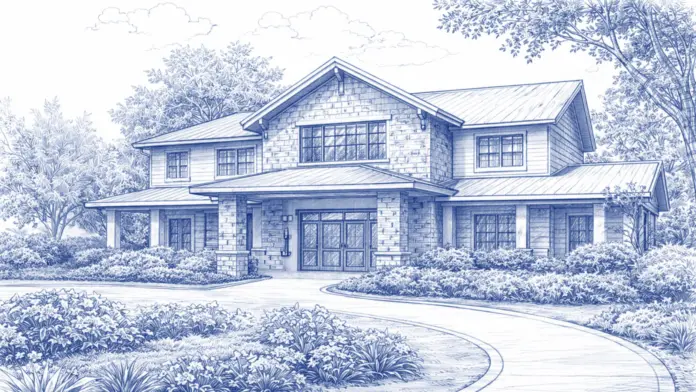


So far, I absolutely love the atmosphere. It is a safe, calming environment, and the staff really cares about you and your mental health. Everyone is so sweet and so kind, and it is a very safe place for me
About Counseling Connection
They also have a unique program called REACH that provides compassionate care to victims of sexual violence. REACH is entirely free and confidential. They understand that many victims suffer in silence due to shame, but it doesn’t have to be that way. REACH provides a 24 hour rape crisis line, accompaniment to the emergency room after an assault, advocacy services, supportive counseling, and education.
You’ll normally undergo an assessment during your initial visit. This helps their care team understand the extent of your substance use. They’ll then create a tailored treatment plan based on that. I especially like that they offer same day or next day appointments or intake.
They mainly use evidence-based models like cognitive behavioral therapy (CBT) to address mental health and substance use issues. This model encourages you to challenge your thinking process to change how you feel and act in specific situations. They use trauma focused cognitive behavioral therapy (TF-CBT) to handle past trauma that may trigger mental health issues or substance use.
The Clinic is positioned in the Downtown Charleston Historical District, and travel time ranges from a few minutes to 20 minutes from most local destinations. You can get to the area via I-64 when traveling from further away.
You might visit Haddad Riverfront Park along the Kanawha River before or after your appointment. This park is just a three minute drive or a 12 minute walk from the facility. The West Virginia State Capitol, known for its stunning dome, is also nearby.
Latest Reviews
This place is awesome ! Very nice people and flexible appointment times!
Wonderful group of therapist and a great place to come.
I started seeing Tabby this past spring when I was in a place of quiet confusion. I wasn’t depressed in the classic sense, but I couldn’t make sense of what was happening inside me. I already knew I carried PTSD and ADHD, and I had long identified as neurodivergent. Those labels explained some of the daily friction, but they never fully accounted for how exhausting and isolating ordinary life felt. Social interactions often left me drained or confused. Emotions seemed to arrive at the wrong volume or at the wrong time. I spent years feeling like I was watching everyone else live by a rulebook I had never been given, and the constant sense that something was “off” made me question my own sanity more than once.
Working with Tabby changed that. From the beginning she created a space where I could bring the full, messy picture without having to perform or edit myself. She listened carefully, asked questions that actually landed, and never rushed to force a tidy diagnosis or a quick fix. Session after session we kept circling the same patterns—how I process information, how I experience relationships, why certain environments overwhelm me while others feel manageable—and slowly the pieces started locking into place. What had always felt like personal failure or random emotional chaos began to look like a coherent neurotype. It was during this work that the possibility of high-functioning autism came into focus. That realization was not dramatic or sudden; it was the quiet relief of finally having language that fit.
I had spent most of my life feeling slightly alien in rooms full of people who seemed to navigate social cues, unspoken expectations, and emotional reciprocity with ease. I could mask well enough to get by, but the effort was constant and the cost was high. Talking through those experiences with Tabby helped me stop treating my own mind as broken and start treating it as different. She helped me name the sensory and social differences that had been there all along, and she helped me see that the difficulty I had relating to others was not a character flaw. That shift alone has been life-altering.
The work has not been about “fixing” me. It has been about understanding. I have learned practical ways to manage the intensity of everyday life, to recognize when I am approaching overload, and to give myself permission to step back instead of forcing myself through situations that leave me depleted. I am still learning—self-discovery does not arrive fully formed in a handful of sessions—but the foundation feels solid for the first time. The puzzles that used to feel scattered and contradictory now form a picture I can work with.
Tabby’s approach is steady, thoughtful, and free of judgment. She does not talk down to clients or hide behind jargon. She meets you where you are and stays with you while the understanding develops at its own pace.
That combination of clinical skill and genuine human presence is rare, and it made the difference between another series of appointments that went nowhere and a process that actually clarified years of confusion.
If you are someone who has always felt a step out of sync with the world, who carries PTSD or ADHD or both and still senses there is more to the story, I cannot recommend Tabby highly enough. The work is not always easy, but it has been honest, respectful, and genuinely useful. I am grateful I found her when I did. The clarity I have now is something I did not know was possible before we started, and I am still building on it every week.

Rehab Score
 Our Methodology
Scoring is assigned by a proprietary system which helps surface key metrics that determine quality. The 10-point scale factors in categories such as operations, customer satisfaction, and trust metrics. Read Full Methodology

6 / 10
Location
Other Forms of Payment
Medicaid is a state based program that helps lower-income individuals and families pay for healthcare. Medicaid covers addiction treatment so those enrolled can use their coverage to pay for rehab. When a program accepts Medicaid the client often pays very little or nothing out of their own pocket.
Private insurance refers to any kind of healthcare coverage that isn't from the state or federal government. This includes individual and family plans offered by an employer or purchased from the Insurance Marketplace. Every plan will have different requirements and out of pocket costs so be sure to get the full details before you start treatment.
Self-pay involves paying for treatment out of your own pocket. You can use savings or credit, get a personal loan, or receive help from family and friends to fund your treatment. If you don't have insurance or your insurance plan doesn't cover a specific program, self-pay can help ensure you still get the care you need.
Financial aid can take many forms. Centers may have grants or scholarships available to clients who meet eligibility requirements. Programs that receive SAMHSA grants may have financial aid available for those who need treatment as well. Grants and scholarships can help you pai for treatment without having to repay.
Sliding scale payments are based on a client's income and family size. The goal is to make treatment affordable to everyone. By taking these factors into account, addiction recovery care providers help ensure that your treatment does not become a financial burden to you or your family, eliminating one barrier to care.
Military members, veterans, and eligible dependents have access to specific insurance programs that help them get the care they need. TRICARE and VA insurance can help you access low cost or no cost addiction and mental health treatment. Programs that accept military insurance often have targeted treatment focused on the unique challenges military members, veterans, and their families face.
Addiction Treatments
Levels of Care
Outpatient Programs (OP) are for those seeking mental rehab or drug rehab, but who also stay at home every night. The main difference between outpatient treatment (OP) and intensive outpatient treatment (IOP) lies in the amount of hours the patient spends at the facility. Most of the time an outpatient program is designed for someone who has completed an inpatient stay and is looking to continue their growth in recovery. Outpatient is not meant to be the starting point, it is commonly referred to as aftercare.
Treatments
Many of those suffering from addiction also suffer from mental or emotional illnesses like schizophrenia, bipolar disorder, depression, or anxiety disorders. Rehab and other substance abuse facilities treating those with a dual diagnosis or co-occurring disorder administer psychiatric treatment to address the person's mental health issue in addition to drug and alcohol rehabilitation.
Mental health rehabs focus on helping individuals recover from mental illnesses like bipolar disorder, clinical depression, anxiety disorders, schizophrenia, and more. Mental health professionals at these facilities are trained to understand and treat mental health issues, both in individual and group settings.
Programs
Adult rehab programs include therapies tailored to each client's specific needs, goals, and recovery progress. They are tailored to the specific challenges adult clients may face, including family and work pressures and commitments. From inpatient and residential treatment to various levels of outpatient services, there are many options available. Some facilities also help adults work through co-occurring conditions, like anxiety, that can accompany addiction.
Recovery is most successful when clients feel accepted and validated by their peers and treatment providers. Facilities that offer LGBTQ-inclusive programming are committed to creating a safe space where everyone can grow and recover without fear of judgment or discrimination. They will have dedicated policies in place to create a safe and supportive environment that fosters free expression.
Serving in the military is both mentally and physically challenging, and can result in trauma that persists even after combat ends. Military programs are tailored to the specific and often complex needs of active duty personnel, veterans, and military families. Clients often access these programs through the U.S. Department of Veterans Affairs (VA).
Young adulthood can be an exciting, yet difficult, time of transition. Individuals in their late teens to mid-20s face unique stressors related to school, jobs, families, and social circles, which can lead to a rise in substance use. Rehab centers with dedicated young adult programs will include activities and amenities that cater to this age group, with an emphasis on specialized counseling, peer socialization, and ongoing aftercare.
Clinical Services
Cognitive Behavioral Therapy (CBT) is a therapy modality that focuses on the relationship between one's thoughts, feelings, and behaviors. It is used to establish and allow for healthy responses to thoughts and feelings (instead of unhealthy responses, like using drugs or alcohol). CBT has been proven effective for recovering addicts of all kinds, and is used to strengthen a patient's own self-awareness and ability to self-regulate. CBT allows individuals to monitor their own emotional state, become more adept at communicating with others, and manage stress without needing to engage in substance abuse.
Whether a marriage or other committed relationship, an intimate partnership is one of the most important aspects of a person's life. Drug and alcohol addiction affects both members of a couple in deep and meaningful ways, as does rehab and recovery. Couples therapy and other couples-focused treatment programs are significant parts of exploring triggers of addiction, as well as learning how to build healthy patterns to support ongoing sobriety.
Eating disorders include anorexia, bulimia, binge eating, and dysfunctional eating patterns. Many psychologists and other mental health professionals consider eating disorders to be food addictions, meaning food is being used in an addictive way (similar to drug or alcohol addiction). Certain substance abuse treatment programs will have treatment for eating disorders as one of the services offered. An eating disorder may also present as a co-occuring disorder or dual diagnosis alongside drug and alcohol addiction.
Research clearly demonstrates that recovery is far more successful and sustainable when loved ones like family members participate in rehab and substance abuse treatment. Genetic factors may be at play when it comes to drug and alcohol addiction, as well as mental health issues. Family dynamics often play a critical role in addiction triggers, and if properly educated, family members can be a strong source of support when it comes to rehabilitation.
Group therapy is any therapeutic work that happens in a group (not one-on-one). There are a number of different group therapy modalities, including support groups, experiential therapy, psycho-education, and more. Group therapy involves treatment as well as processing interaction between group members.
In individual therapy, a patient meets one-on-one with a trained psychologist or counselor. Therapy is a pivotal part of effective substance abuse treatment, as it often covers root causes of addiction, including challenges faced by the patient in their social, family, and work/school life.
Trauma therapy addresses traumatic incidents from a client's past that are likely affecting their present-day experience. Trauma is often one of the primary triggers and potential causes of addiction, and can stem from child sexual abuse, domestic violence, having a parent with a mental illness, losing one or both parents at a young age, teenage or adult sexual assault, or any number of other factors. The purpose of trauma therapy is to allow a patient to process trauma and move through and past it, with the help of trained and compassionate mental health professionals.
Staff
Emily Bennett, MA
Therapist
Trisha Boggs, MA
Therapist
Kristin Clendinning, MA, LPC, NCC
Licensed Professional Counselor & Clinical Supervisor
Camille Collins, MSW
Therapist
Becki Graham, MA
Therapist
Haley Keiffer, MA
Therapist
Megan Maazaoui, MSW, LGSW
Therapist
Tammy Mills, MSW, LICSW
Therapist
Rehab.com regularly reviews this listing for accuracy but changes may occur between updates. For the most up-to-date information, please contact Counseling Connection.
Contact Information

1021 Quarrier street
Suite 414
Charleston, WV 25301
Get Help Now - 304-578-5627
Sponsored Helpline
Sponsored Helpline


