































































































Horrible experience! the people of this place treat the patients as if they were criminals and don't deserve to receive help, they are rude people. Also, the registry staff is very disorganized, they never explain anything and they expect you to know everything. Really bad e ...
About Cumberland Heights Treatment Center
The 12 Step philosophy is the foundation of their residential and outpatient programs. They complement care with individual, group and experiential therapies, and are one of Tennessee’s best-rated outpatient rehabs.
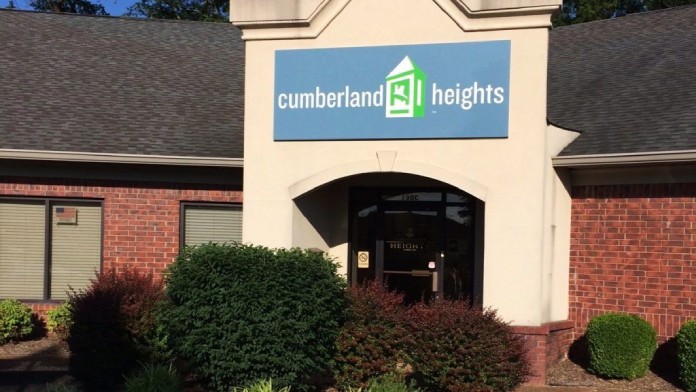
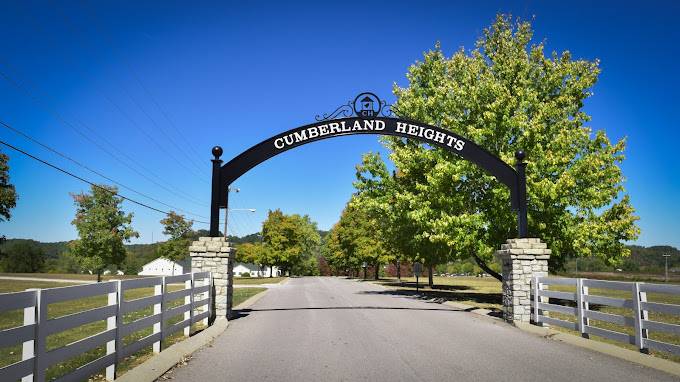
For me, their impressive location really caught my eye. You’ll have a tranquil space for reflection and healing surrounded by 177 acres of breathtaking woodlands and hills. They provide plenty of chances to take in the beauty of nature with walking trails, gardens, ponds and a stunning courtyard. You’ll also have options for sober recreational activities, like indoor rock climbing and basketball. They create the ideal atmosphere to step away from city distractions and hone in on recovery.
Another wonderful feature I noticed was their gender-specific approach. You can participate in targeted care that accounts for gender’s unique biological and environmental effects on addiction. Additionally, you’ll benefit from a comfortable space to open up among peers who understand your experiences. That way you can build solid relationships while sharing your story with others on similar paths.
Lastly, I think their family program is exceptional. They understand that addiction is a familial disease and your loved ones also need support in this journey. You and your family can participate in therapeutic and experiential exercises to build trust, strengthen relationships and learn about recovery. You and your loved ones will benefit from exploring family dynamics while gaining the tools to support each other.
Latest Reviews
This place not only saved my life but changed it as well this was the best decision I have ever made I can’t thank you enough for what you did for me and 3 years later still do to help me not only get sober but stay sober thank you so much
Response from the owner1 week ago
We're genuinely grateful for your heartfelt words. It's wonderful to know that Cumberland Heights has been such a positive influence in your journey to sobriety. Your strength and perseverance are truly inspiring! We're honored to support you on this path.
Casey does an amazing job making recovery fun
Response from the owner1 week ago
We're overjoyed to hear that Casey brings such positivity to your recovery experience! Your kind words really make a difference. Remember, we are always here to support you on this journey. Keep shining!
Cumberland Heights is the best treatment center. This is first place I ever felt valued as a patient.
Response from the owner1 week ago
Thank you so much for sharing your wonderful experience, Sharon! We're so glad that you felt valued and appreciated during your time with us. Your kind words mean a lot, and we're excited for your continued success on your journey. Wishing you all the best! 
Rehab Score
 Our Methodology
Scoring is assigned by a proprietary system which helps surface key metrics that determine quality. The 10-point scale factors in categories such as operations, customer satisfaction, and trust metrics. Read Full Methodology

8.5 / 10
Gallery


Accepted Insurance
Other Forms of Payment
Private insurance refers to any kind of healthcare coverage that isn't from the state or federal government. This includes individual and family plans offered by an employer or purchased from the Insurance Marketplace. Every plan will have different requirements and out of pocket costs so be sure to get the full details before you start treatment.
Self-pay involves paying for treatment out of your own pocket. You can use savings or credit, get a personal loan, or receive help from family and friends to fund your treatment. If you don't have insurance or your insurance plan doesn't cover a specific program, self-pay can help ensure you still get the care you need.
Military members, veterans, and eligible dependents have access to specific insurance programs that help them get the care they need. TRICARE and VA insurance can help you access low cost or no cost addiction and mental health treatment. Programs that accept military insurance often have targeted treatment focused on the unique challenges military members, veterans, and their families face.
Addiction Treatments
Levels of Care
Outpatient programs are for those seeking mental rehab or drug rehab, but who also stay at home every night. The main difference between outpatient treatment (OP) and intensive outpatient treatment (IOP) lies in the amount of hours the patient spends at the facility. Most of the time an outpatient program is designed for someone who has completed an inpatient stay and is looking to continue their growth in recovery. Outpatient is not meant to be the starting point, it is commonly referred to as aftercare.
Instensive Outpatient programs are for those who want or need a very structured treatment program but who also wish to live at home and continue with certain responsibilities (such as work or school). IOP substance abuse treatment programs vary in duration and intensity, and certain outpatient rehab centers will offer individualized treatment programs. Cumberland Heights’ Intensive Outpatient Program is a 12-Step based rehabilitative program with locations in surrounding communities designed for individuals who do not require medically supervised detoxification, have a stable, supportive home and work environment, who are self-motivated, and whose needs and schedules vary. Intensive Outpatient Programs vary in length depending on individual patient needs and primarily serves adults ages 18 and up. Adolescent IOP programs are available in select locations.
Clients receiving support in a rehab aftercare program typically have abstained from drugs or alcohol for a period of weeks or months and have completed high-level (often inpatient) treatment. Drug rehab aftercare is designed to support clients in maintaining their sobriety as they re-engage with their ordinary lives at home, in the workplace, and in the community. Services are highly individualized and evolve with clients' changing needs, but generally include peer coaching and relapse prevention.
12-step programs are addiction recovery models based on Alcoholics Anonymous (AA). A number of substance abuse programs (including some drug and alcohol rehab centers) use the 12 steps as a basis for treatment. Beginning steps involve admitting powerlessness over the addiction and creating a spiritual basis for recovery. Middle steps including making direct amends to those who've been hurt by the addiction, and the final step is to assist others in addiction recovery in the same way. 12-Step offshoots including Narcotics Anonymous (NA), Cocaine Anonymous (CA), Dual Recovery Anonymous (DRA), Sex and Love Addicts Anonymous (SLAA) and Gamblers Anonymous (GA).
Sober Living Houses (SLHs), aka sober homes or halfway houses, are safe, substance-free, supportive living facilities for those recovering from substance abuse. Ideal for those who've just been through inpatient or outpatient treatment, SLHs are supervised environments with rules that support sobriety, such as curfews, shared chores, and therapeutic meetings. Residents are also often trained on life skills and coping skills to make it easier to transition into society. SLHs also provide a strong sense of community that can lead to the kind of deep and lasting connections with other sober individuals that supports a new, healthy lifestyle.
Safe detox requires 24-hour clinical care in Tennessee. This is due to the health risks that are involved during withdrawal. As the brain reacts to the absence of the drug, severe symptoms can occur, depending on the type of drug used. For instance, alcohol and benzodiazepine withdrawal may result in seizures. Fortunately, supervised care in a clinical setting can provide the necessary treatment to avoid health risks and allow you to complete detox safely.
Drug and alcohol addiction often takes a heavy toll on one's body. Over time, a physical dependence can develop, meaning the body physiologically needs the substance to function. Detox is the process of removing drugs and/or alcohol from the body, a process that can be lethal if mismanaged. Medical detox is done by licensed medical professionals who monitor vital signs and keep you safe, healthy, and as comfortable as possible as you go through detox and withdrawal.
Treatments
The goal of treatment for alcoholism is abstinence. Those with poor social support, poor motivation, or psychiatric disorders tend to relapse within a few years of treatment. For these people, success is measured by longer periods of abstinence, reduced use of alcohol, better health, and improved social functioning. Recovery and Maintenance are usually based on 12 step programs and AA meetings.
When your day-to-day life is taken over by drug use, this is known as substance use disorder. If you abruptly stop using your drug of choice, you experience withdrawal symptoms. To overcome this cycle, professional drug rehab in Tennessee is usually needed.
Many of those suffering from addiction also suffer from mental or emotional illnesses like schizophrenia, bipolar disorder, depression, or anxiety disorders. Rehab and other substance abuse facilities treating those with a dual diagnosis or co-occurring disorder administer psychiatric treatment to address the person's mental health issue in addition to drug and alcohol rehabilitation.
A combined mental health and substance abuse rehab has the staff and resources available to handle individuals with both mental health and substance abuse issues. It can be challenging to determine where a specific symptom stems from (a mental health issue or an issue related to substance abuse), so mental health and substance abuse professionals are helpful in detangling symptoms and keeping treatment on track.
Opioid rehabs specialize in supporting those recovering from opioid addiction. They treat those suffering from addiction to illegal opioids like heroin, as well as prescription drugs like oxycodone. These centers typically combine both physical as well as mental and emotional support to help stop addiction. Physical support often includes medical detox and subsequent medical support (including medication), and mental support includes in-depth therapy to address the underlying causes of addiction.
Programs
Adult rehab programs include therapies tailored to each client's specific needs, goals, and recovery progress. They are tailored to the specific challenges adult clients may face, including family and work pressures and commitments. From inpatient and residential treatment to various levels of outpatient services, there are many options available. Some facilities also help adults work through co-occurring conditions, like anxiety, that can accompany addiction.
Young adulthood can be an exciting, yet difficult, time of transition. Individuals in their late teens to mid-20s face unique stressors related to school, jobs, families, and social circles, which can lead to a rise in substance use. Rehab centers with dedicated young adult programs will include activities and amenities that cater to this age group, with an emphasis on specialized counseling, peer socialization, and ongoing aftercare.
Recovery is most successful when clients feel accepted and validated by their peers and treatment providers. Facilities that offer LGBTQ-inclusive programming are committed to creating a safe space where everyone can grow and recover without fear of judgment or discrimination. They will have dedicated policies in place to create a safe and supportive environment that fosters free expression.
Clinical Services
Typical cognitive behavioral therapy in Tennessee involves recognizing negative thinking and learning techniques to change that thinking and create new, positive behaviors. Strategies may include SMART goals, journaling, and situation exposure.
Counseling in Tennessee that takes a dialectical behavior therapy approach can last from six to 12 months. During that time, you'll develop skills in the areas of distress tolerance, mindfulness, emotional regulation, and interpersonal effectiveness.
Equine therapy, aka equine-assisted therapy (EAT), is a form of experiential therapy that involves interactions and activities with horses. It does not necessarily involve riding horses, but all activities related to horses, such as feeding, grooming, haltering and leading them. A mental health professional frequently oversees the activities (often in conjunction with a horse professional), and helps patients process their thoughts, feelings, and behavior patterns during and/or after the interaction. Equine assisted therapy is being used in a wide variety of settings to help people with acute and chronic illnesses, like addiction. This is based on the many physical and psychological benefits seen in patients when they interact with the horses. These include lowered blood pressure and heart rate, increased beta-endorphin levels (a hormone produced by the brain and nervous system that reduces pain), decreased stress levels, reduced feelings of anger, hostility, tension and anxiety, improved social functioning, and increased feelings of empowerment, trust, patience and self-esteem. Equine therapy is looked upon as both a learning and healing experience.
Group therapy is any therapeutic work that happens in a group (not one-on-one). There are a number of different group therapy modalities, including support groups, experiential therapy, psycho-education, and more. Group therapy involves treatment as well as processing interaction between group members.
If you participate in motivational interviewing in Tennessee, your therapist will focus on four key strategies: open questions, affirmation, reflections, and summarizing. Rather than confront or warn you to change, the clinician will allow you to explore your own motivations and decide what changes you may need to make in your life.
Trauma therapy addresses traumatic incidents from a client's past that are likely affecting their present-day experience. Trauma is often one of the primary triggers and potential causes of addiction, and can stem from child sexual abuse, domestic violence, having a parent with a mental illness, losing one or both parents at a young age, teenage or adult sexual assault, or any number of other factors. The purpose of trauma therapy is to allow a patient to process trauma and move through and past it, with the help of trained and compassionate mental health professionals.
Amenities
-
 Gym
Gym -
 Yoga Studio
 -
 Private Rooms
 -
 Residential Setting
 -
 Hiking
 -
 Walking Trails
Staff & Accreditations
Staff

Jay Crosson, MBA
CEO
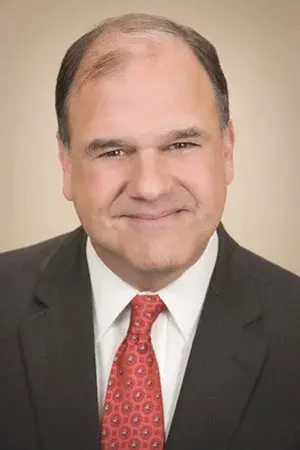
Chapman Sledge, MD
Chief Medical Officer
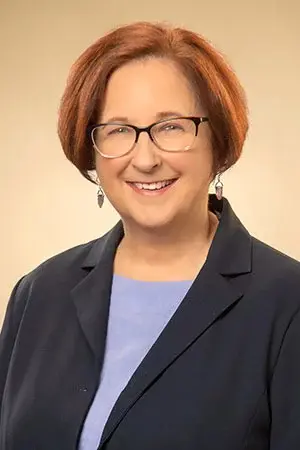
Cinde Stewart Freeman, RN, LADAC, QCS
Chief Clinical Officer
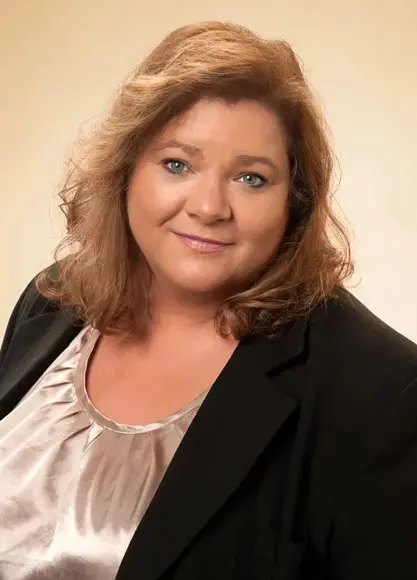
Dana Mires, RN, MBA, MBA
Director of Nursing
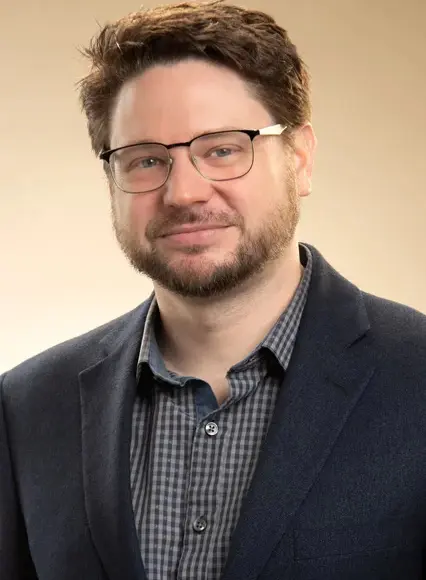
Dale Kirkham, MA, LPC MHSP
Director of Admissions
Accreditations

The Commission on Accreditation of Rehabilitation Facilities (CARF) is a non-profit organization that specifically accredits rehab organizations. Founded in 1966, CARF's, mission is to help service providers like rehab facilities maintain high standards of care.
CARF Accreditation: Yes

The Joint Commission, formerly known as JCAHO, is a nonprofit organization that accredits rehab organizations and programs. Founded in 1951, the Joint Commision's mission is to improve the quality of patient care and demonstrating the quality of patient care.
Joint Commission Accreditation: Yes
Accreditation Number: 3395

The National Association of Addiction Treatment Providers (NAATP) is a professional association that represents organizations in the field of addiction services. Founded in 1978, NAATP's mission is to advance addiction services and ensure that high-quality addiction treatment is available and accessible.
NAATP Member: Yes
Member ID: 10759
Rehab.com regularly reviews this listing for accuracy but changes may occur between updates. For the most up-to-date information, please contact Cumberland Heights Treatment Center.
Contact Information

8283 River Road
Nashville, TN 37209
Get Help Now - 615-437-0407
Sponsored Helpline
Sponsored Helpline


