












Footprints to Recovery Addiction Treatment Centers
1
Top 10 Rehab Centers In Centennial



















































































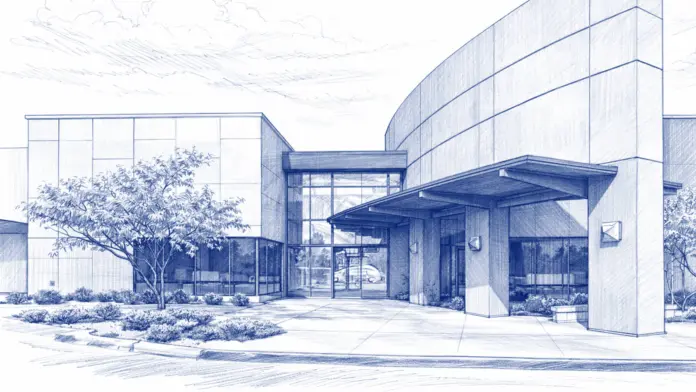
Custom Recovery is a private psychiatric practice in Lakewood, Colorado led by Dr. Regina Y. Leverrier, MD offering integrated addiction and mental health care.
The practice treats substance use disorders alongside depression, anxiety and co-occurring conditions serving adolescents and seniors, women and LGBTQ clients.
With a focus on customized, one on one treatment planning, Custom Recovery helps patients gain diagnostic clarity and lasting recovery.
Custom Recovery specializes in flexible outpatient addiction care that allows patients to live at home while receiving regular treatment.
Led by a board certified psychiatrist, the practice offers full psychiatric evaluations, medication management and supportive psychotherapy for alcohol and opioid, cannabis and methamphetamine, cocaine and benzodiazepine concerns.
Treatment includes medication assisted options such as Suboxone and Vivitrol for alcohol and opioid dependence, with home alcohol detox available for appropriate patients.
Sessions pair psychiatric expertise with ongoing follow up to address both symptoms and underlying issues.
Patients describe Dr. Leverrier as a “lifesaver” and a “huge support.”
Dual diagnosis treatment is a core specialty, with emphasis on distinguishing primary psychiatric illness from substance induced symptoms.
Dr. Leverrier also incorporates integrative psychiatry elements including hormone testing, vitamin evaluation and supplement recommendations when indicated.
When beneficial, she coordinates referrals to counselors and EMDR therapists, nutritionists and other providers.
Custom Recovery offers in person, phone and video appointments with telepsychiatry available across Denver, Aurora and Littleton, Boulder and surrounding Colorado communities.
The practice operates as a self pay provider and does not currently accept insurance, but offers a superbill for possible out of network reimbursement.

 Our Methodology


Self-pay involves paying for treatment out of your own pocket. You can use savings or credit, get a personal loan, or receive help from family and friends to fund your treatment. If you don't have insurance or your insurance plan doesn't cover a specific program, self-pay can help ensure you still get the care you need.
Outpatient rehabs offer a wide variety of services and levels of care to align with clients' unique and evolving needs. Outpatient care is best suited for clients who are stable and for those who wish to remain at home while receiving treatment. Clients typically receive addiction counseling and recovery-focused life skills training, including participating in evening, night, and weekend sessions to accommodate clients' schedules. Clients at an increased relapse risk may receive more frequent and intensive treatment.
Alcoholism is defined as a physical dependence on alcohol. In this state, the body experiences withdrawal symptoms in the absence of alcohol. Over time, a person with alcohol use disorder also must drink greater amounts of alcohol to achieve the same effects. To overcome alcohol use disorder, alcohol rehab in Colorado is usually necessary, a process which includes supervised medical detox. This is followed by intensive rehab, then a maintenance program that may include 12-step support.
Professional services are often necessary to recover from addiction. Drug rehab in Colorado provides the expert services needed to address the complex issues of addiction and help individuals start their recovery journey.
 Opioid Addiction
Colorado offers a range of substance abuse treatment programs that encompass various levels of care to meet your specific needs. These addiction treatment programs often encompass medical detox, outpatient, inpatient, and partial hospitalization programs. You'll find each program includes individual and group therapy, and educational groups to provide you with the tools to achieve and sustain your recovery.
Colorado offers dual-diagnosis addiction treatment programs that encompass various levels of care to meet your individual needs, including medical detox, outpatient, inpatient, and partial hospitalization programs for individuals with co-occurring mental health and substance use disorders. These dual-diagnosis rehab programs incorporate evidence-based therapies such as cognitive-behavioral therapy (CBT) or dialectical behavior therapy (DBT) to successfully address substance use disorders and co-occurring diagnoses.
Teen programs are designed to address the unique pressures teens face, pressures that can drive them to experiment with dangerous, addictive substances. They need programs that meet them exactly where they are and give them tools for long-term recovery. Therapy can help teenagers understand and work through underlying issues so they can reclaim the life ahead of them.
Adult rehab programs include therapies tailored to each client's specific needs, goals, and recovery progress. They are tailored to the specific challenges adult clients may face, including family and work pressures and commitments. From inpatient and residential treatment to various levels of outpatient services, there are many options available. Some facilities also help adults work through co-occurring conditions, like anxiety, that can accompany addiction.
Nearly one million adults age 65 and older live with a substance use disorder. Treatment providers who specialize in senior care understand the social, psychological, and physical effects of aging and how they relate to recovery. They can help clients address particular challenges and risks they may face as they get older such as overdosing and medication interactions and dependencies.
The main principle of cognitive behavioral therapy (CBT) in Colorado is that substance use disorders are based on faulty thinking and behavior patterns. The goal of this treatment is to help the individual learn better ways of coping with challenges, which will lead to changes in thinking and behavior.
Dialectical behavior therapy is skills based and present oriented. You'll be asked to keep a diary of emotions and related behaviors and practice the skills you've been learning between sessions. The focus of skills development is on mindfulness, distress tolerance, emotion regulation, and interpersonal effectiveness.
Rehab.com regularly reviews this listing for accuracy but changes may occur between updates. For the most up-to-date information, please contact Custom Recovery.

445 S Union St Ste 201, Lakewood, CO 80228
Sponsored Helpline

I feel strongly in recommending Dr. Reggie to others! She is well versed in psychiatric meds and in looking at her patients holistically when it comes to their mental health & how to take care of themselves. She is warm, kind, thoughtful, hopeful, and takes a chance to really get to know her patients carefully. I have worked with Dr. Regina LeVerrier as a social worker and case manager advocate for an older adult client who has struggled with chronic & treatment resistant depression and anxiety issues. I think she is doing a suberb job in this client's care, and I would encourage you to give her a call!

Finding Dr Reggie was a God send! She’s helped me through the most difficult times of my life and continues to give me the excellent care I need. I’ll never stop seeing her! I would recommend her to anyone!

I am an actual client of Dr. Levierrer. I am not a bot (this is not a fabricated review). Dr. Leverrier is amazing and brilliant. Coupled with her intelligence, she provides the necessary responses of affirmation and empathy, that are the hallmark of a highly skilled and experienced psychiatrist.

Dr Reggie is gift from above. I went through insurance before and my doctor left. I saw a new doc at the same practice of course that doc didn't listen switched my meds all around and my therapy. I was sinking fast. Lowest point of my life. I found Dr. Reggie on Google. I called and she seen me that week. I was so glad she didn't take insurance because I knew she didnt have to deal the red tape of HMO. She put me back on my old meds straight away within a week I was back to myself. She is responsive and always has time for you. She explains things and provides feedback. I'm so blessed she came into my life. I'll always be so grateful her. Nel
 Back
Back
Sharing your insights and experiences can help others learn more about this rehab center.