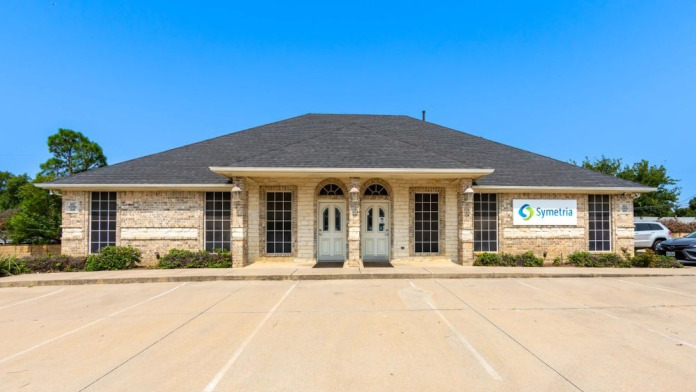
Symetria — Hurst Outpatient Rehab & Suboxone Clinic
1
Top 10 Rehab Centers In Hurst



















































































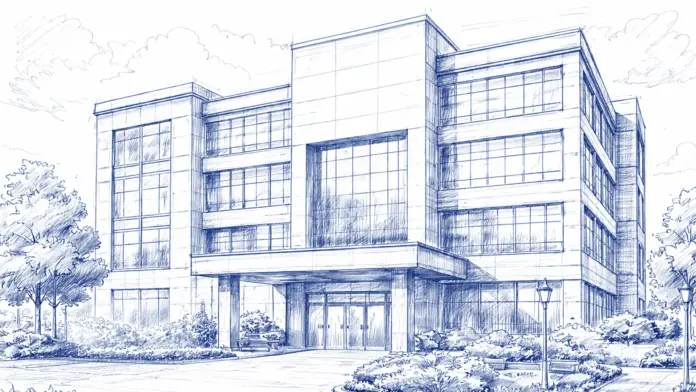
DeNovo Recovery is a substance use treatment program in St Joseph, Missouri providing outpatient level care for adults and adolescents seeking help with addiction and co-occurring mental health conditions. The facility offers partial hospitalization, intensive outpatient, and telehealth services.
Clients can access a continuum of outpatient care, beginning with Partial Hospitalization for those who need structured, daily support. As clients progress, they may step down to Intensive Outpatient or telehealth services which offers more flexibility for those with outside obligations.
Treatment includes Cognitive Behavioral Therapy, group counseling, and holistic practices such as yoga and meditation. Medication Assisted Treatment is available to support withdrawal management and long term recovery. The dual diagnosis approach addresses addiction alongside conditions like depression and anxiety.

 Our Methodology


Private insurance refers to any kind of healthcare coverage that isn't from the state or federal government. This includes individual and family plans offered by an employer or purchased from the Insurance Marketplace. Every plan will have different requirements and out of pocket costs so be sure to get the full details before you start treatment.
Self-pay involves paying for treatment out of your own pocket. You can use savings or credit, get a personal loan, or receive help from family and friends to fund your treatment. If you don't have insurance or your insurance plan doesn't cover a specific program, self-pay can help ensure you still get the care you need.
Financing your treatment can make treatment more accessible. You'll work with your care provider to set up payment plans, including interest rates and repayment timelines. Financing options vary widely and not all programs offer them, so be sure to get the full details before enrolling in treatment. If you have insurance or other benefits, financing may help you cover your remaining out of pocket expenses.
Designed for individuals who don't require 24/7 monitoring, a partial hospitalization program (PHP) provides intensive-level treatment while allowing you to stay at home. PHP treatment typically requires a commitment of at least 20 hours of treatment per week for an average duration of 90 days. Services commonly offered in PHP include medication management and evidence-based therapies, such as cognitive-behavioral therapy (CBT), and dialectical behavior therapy (DBT). Insurance coverage for PHP treatment may vary depending on your provider.
Intensive outpatient programs provide an intermediate level of care, often supporting clients' transition from inpatient rehab to outpatient treatment. Most IOP programs require a minimum of nine therapeutic hours weekly, but clients may receive up to 20 hours of care, with the intensity and frequency of care declining as clients grow stronger in their sobriety. Intensive outpatient treatment generally combines addiction counseling, recovery education, holistic therapies, and, for some, medication assisted treatment (MAT).
The delivery of health services via telecommunications technology is known as telehealth. Examples of telehealth in Missouri include live video conferencing, store-and-forward electronic transmission, live video conferencing, and remote patient monitoring (RPM).
Individuals who suffer from alcoholism drink to the extent that they harm themselves or others and have an impaired ability to stop drinking. Their alcohol use disorder may be classified as mild, moderate, or severe. At any level, alcohol rehab in Missouri can help individuals overcome alcohol addiction. Treatment includes physiological, psychological, and social aspects to provide comprehensive care that leads to long-term recovery.
 Opioid Addiction
Drug rehab in Missouri usually involves several phases: detox, rehab, and aftercare. The rehab phase may include a combination of inpatient and outpatient treatments, as the individual moves through a continuum of care on their recovery journey.
Substance abuse treatment programs in Missouri help individuals struggling with substance abuse and co-occurring mental health disorders. These programs utilize evidence-based therapies like cognitive-behavioral therapy (CBT), dialectical behavior therapy (DBT), and mindfulness-based interventions. With a range of treatment options available, including outpatient, inpatient, and residential programs, you can find the right program to meet your unique needs and improve your quality of life.
Inpatient treatment provides mental health services with residency in the rehab facility for the duration of treatment. During treatment, you'll likely participate in evidence-based therapies like cognitive-behavioral therapy (CBT) and dialectical behavior therapy (DBT), medication management, and skill development – all under the guidance of an expert mental health therapist. By focusing on both aspects of your mental health and treating your addiction, you'll gain vital skills to cope with cravings, manage stress, and prevent relapse. Family therapy or mindfulness training may also be available, which helps to improve mental health.
Specialized dual-diagnosis addiction treatment programs in Missouri include inpatient residential rehab, outpatient, intensive outpatient, detox, and partial hospitalization programs. Offering a full continuum of care, their clinicians have the expertise to treat individuals with co-occurring substance use disorder and mental health conditions at the same time. The benefits of dual-diagnosis treatment are enhanced recovery outcomes, improved overall health and well-being, and it equips individuals with the information and skills required to sustain long-term sobriety.
Teen programs are designed to address the unique pressures teens face, pressures that can drive them to experiment with dangerous, addictive substances. They need programs that meet them exactly where they are and give them tools for long-term recovery. Therapy can help teenagers understand and work through underlying issues so they can reclaim the life ahead of them.
Adult rehab programs include therapies tailored to each client's specific needs, goals, and recovery progress. They are tailored to the specific challenges adult clients may face, including family and work pressures and commitments. From inpatient and residential treatment to various levels of outpatient services, there are many options available. Some facilities also help adults work through co-occurring conditions, like anxiety, that can accompany addiction.
Serving in the military is both mentally and physically challenging, and can result in trauma that persists even after combat ends. Military programs are tailored to the specific and often complex needs of active duty personnel, veterans, and military families. Clients often access these programs through the U.S. Department of Veterans Affairs (VA).
Men face specific challenges and concerns when seeking addiction treatment. Gender-specific recovery programs help them tackle these issues head-on in an environment that's focused, targeted, and distraction-free. It also gives them the opportunity to connect with and learn from other men who have been through a similar journey and can offer support for the next step.
Rehabs for women provide a safe, nurturing space for female clients to heal. These treatment programs consider the specific obstacles that women can face during recovery and place a special emphasis on mental, social, physical, and reproductive health. They explore how each woman's experience has shaped the trajectory of their substance use, addressing issues such as sexual abuse and past trauma.
The goal of cognitive behavioral therapy in Missouri is to help clients change their thinking and behavioral patterns. Strategies of treatment include role playing, facing fears, and calming techniques.
Peer support within a group therapy session in Missouri allows you to interact with your peers who are also struggling with drug addiction. You can share your stories and learn how to express your emotions openly in a non judgmental setting. These strategies help to reduce your feelings of isolation which are often associated with addiction.
Rehab.com regularly reviews this listing for accuracy but changes may occur between updates. For the most up-to-date information, please contact DeNovo Recovery.

2102 Village Dr, St Joseph, MO 64506
Sponsored Helpline

Before I came to denovo I didn't have no joy or peace and my life, I feel for me as far as the medications of letting me have it prn was vital to my mental health. Dr. E class is very educational as far as how the brain works in addiction and recovery. I give a big thanks to Mrs Ebony and Angelina I feel they where a God send. All the staff where respectful to me and also made it fun with sharing their experiences. I feel doing this with denovo gave me my peace and joy back. Are they perfect? No but they are 5 years into the game. I love the group I was involved with they made time fly! Mad respect and love to the people that run denovo I hope God keeps guiding u through this adventure

Place is amazing, recommend to anyone that needs help with addiction. Staff are all awesome and very helpful, food is also amazing.


This has been a truly awakening experience. The staff here is amazing and truly care. Dr. Perez teaches how to move the brain from the addiction to recovery with teaching practical application. Love love this place. So much I came twice.... lol
 Back
Back
Sharing your insights and experiences can help others learn more about this rehab center.