




























































































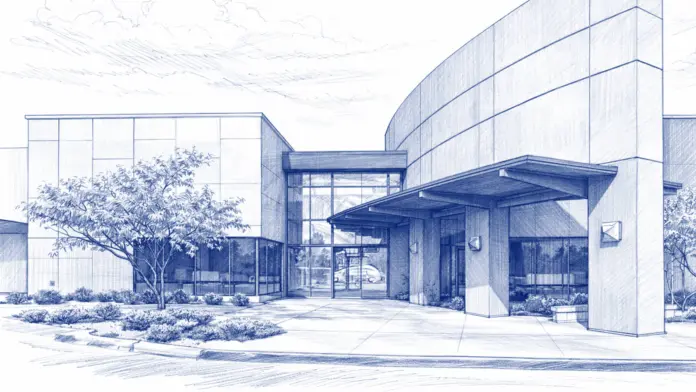
About Doolittle & Harrington Healthcare LLC
Doolittle and Harrington Healthcare LLC is an addiction treatment provider located in Overland Park, Kansas offering outpatient and intensive outpatient programs for substance use and mental health disorders.
The facility combines evidence based therapies like cognitive behavioral therapy and motivational interviewing with holistic approaches including meditation and yoga.
Evidence Based and Holistic Therapies
Doolittle and Harrington Healthcare specializes in treating alcohol and drug addiction, including opioid and stimulant use disorders. Clients have access to medication assisted treatment options such as buprenorphine and naltrexone.
Treatment sessions focus on building practical coping skills through CBT and motivational interviewing while addressing the root causes of addiction and integrating holistic therapies.
Dual Diagnosis and Co-Occurring Mental Health Care
The facility provides integrated care for clients managing both addiction and co-occurring mental health conditions such as depression and anxiety. This dual diagnosis approach ensures that underlying mental health challenges are treated alongside substance use improving outcomes and reducing relapse risk.
Getting Started with Treatment
Specialty programs are offered for veterans, first responders, and LGBTQ+ clients with gender specific options and bilingual staff serving English and Spanish speakers. The facility accepts Medicaid, Medicare, and major insurance plans with sliding scale options.
Latest Reviews



Rehab Score
 Our Methodology


Location
Accepted Insurance

Other Forms of Payment
Medicaid is a state based program that helps lower-income individuals and families pay for healthcare. Medicaid covers addiction treatment so those enrolled can use their coverage to pay for rehab. When a program accepts Medicaid the client often pays very little or nothing out of their own pocket.
Medicare is a federal program that provides health insurance for those 65 and older. It also serves people under 65 with chronic and disabling health challenges. To use Medicare for addiction treatment you need to find a program that accepts Medicare and is in network with your plan. Out of pocket costs and preauthorization requirements vary, so always check with your provider.
Private insurance refers to any kind of healthcare coverage that isn't from the state or federal government. This includes individual and family plans offered by an employer or purchased from the Insurance Marketplace. Every plan will have different requirements and out of pocket costs so be sure to get the full details before you start treatment.
Self-pay involves paying for treatment out of your own pocket. You can use savings or credit, get a personal loan, or receive help from family and friends to fund your treatment. If you don't have insurance or your insurance plan doesn't cover a specific program, self-pay can help ensure you still get the care you need.
Sliding scale payments are based on a client's income and family size. The goal is to make treatment affordable to everyone. By taking these factors into account, addiction recovery care providers help ensure that your treatment does not become a financial burden to you or your family, eliminating one barrier to care.
Addiction Treatments
Levels of Care
Clients exiting detox, stepping down from inpatient rehab, or at an increased risk of relapse often enroll in intensive outpatient programs (IOP). These programs offer high-level support, including multiple therapeutic sessions per week. Clients typically receive between nine and 20 hours of treatment weekly. Intensive outpatient rehabs generally offer an array of services, including individual, group, and family counseling and recovery education. Medication assisted treatment (MAT) is widely available for those in alcohol and/or opioid recovery.
Clients receiving treatment at an outpatient facility are often further along in their recovery journey than those in inpatient care, meaning they may require less intensive supervision and support. Outpatient services generally include addiction counseling, recovery education, and community reintegration support. Most outpatient rehabs offer evening, night, and weekend services to accommodate clients' needs. Clients who are in early recovery or are at an increased relapse risk may enroll in partial hospitalization (PHP) or intensive outpatient (IOP) programs.
Telehealth may involve several types of virtual treatment. Teleconsultations allow a physician to provide medical advice from a distance. Remote patient monitoring allows patients to wear sensors that collect and transmit health data to their provider. Telehomecare provides sensors in the home to alert medical professionals of emergency situations.
Treatments
A person with alcoholism, also known as alcohol use disorder (AUD), is unable to stop drinking despite experiencing negative consequences. They continue to drink, even if it causes problems at home or work. When an individual becomes dependent on alcohol, expert intervention is often necessary to recover. Psychological, social, and medical supports are available at alcohol rehab in Kansas which makes long-term recovery possible.
 Opioid Addiction
The length, intensity, setting, and treatment methods vary for each drug rehab in Kansas. Plans of care can be tailored to meet each person's own unique situation and needs. With the right program, individuals can successfully achieve long-term sobriety.
Drug rehabs in Kansas provide specialized care for individuals looking to overcome substance abuse and addiction. These programs offer a range of care options, including outpatient, inpatient, dual-diagnosis, and partial hospitalization programs. Expert clinicians utilize evidence-based treatments and trauma-informed therapies to address substance abuse and empower individuals in their long-term recovery.
Comprehensive addiction treatment involves mental health services which are provided throughout the treatment process. These treatment programs can include psychological support, experiential therapies, individual and group counseling, and evidence-based therapeutic interventions that are aimed at addressing addiction and improving mental health.
Specialized dual-diagnosis addiction treatment programs in Kansas have the expertise to treat individuals with co-occurring substance use disorders and mental health conditions. Care levels include outpatient, inpatient, and partial hospitalization programs. Using evidence-based interventions, like cognitive behavioral therapy, or dialectical behavioral therapy, art therapy, and psychoeducation, clinicians address co-occurring disorders simultaneously, helping patients achieve sobriety and improve their overall mental health and physical well-being.
Programs
Teen programs are designed to address the unique pressures teens face, pressures that can drive them to experiment with dangerous, addictive substances. They need programs that meet them exactly where they are and give them tools for long-term recovery. Therapy can help teenagers understand and work through underlying issues so they can reclaim the life ahead of them.
Adult rehab programs include therapies tailored to each client's specific needs, goals, and recovery progress. They are tailored to the specific challenges adult clients may face, including family and work pressures and commitments. From inpatient and residential treatment to various levels of outpatient services, there are many options available. Some facilities also help adults work through co-occurring conditions, like anxiety, that can accompany addiction.
Recovery is most successful when clients feel accepted and validated by their peers and treatment providers. Facilities that offer LGBTQ-inclusive programming are committed to creating a safe space where everyone can grow and recover without fear of judgment or discrimination. They will have dedicated policies in place to create a safe and supportive environment that fosters free expression.
Serving in the military is both mentally and physically challenging, and can result in trauma that persists even after combat ends. Military programs are tailored to the specific and often complex needs of active duty personnel, veterans, and military families. Clients often access these programs through the U.S. Department of Veterans Affairs (VA).
Clinical Services
If your therapist applies methods of cognitive behavioral therapy in Kansas, you can expect to gain a better understanding of your thoughts and behaviors and learn how to cope with difficult situations without using substances. This method is a proven technique for treating substance use and mental health disorders.
When applying motivational interviewing, your therapist will ask open ended questions that encourage you to think differently about your challenges. They will also affirm your strengths and abilities. They will then offer empathy and reflect your thoughts back to you so you can identify any discrepancies in your current behaviors and your future goals.
Rehab.com regularly reviews this listing for accuracy but changes may occur between updates. For the most up-to-date information, please contact Doolittle & Harrington Healthcare LLC.
Contact Information


10560 Barkley St # 340, Overland Park, KS 66212
Sponsored Helpline

