






























































































I have a great feeling that the people who work there are hypocrites and they laugh at you behind your back. I never had a good feeling to be there.
About Eastridge Health Systems
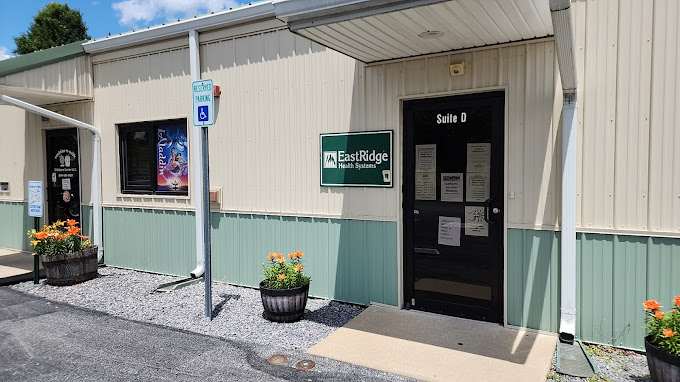
Eastridge Health Systems has three primary locations in West Virginia, including the Jefferson County facility on Edmond Road in Kearneysville. This facility offers mental health and addiction treatment services, including medication assisted treatment (MAT) for clients with opiate dependence. The facility accepts Medicare and Medicaid as well as many private insurance plans.
Mental Health Treatment Services in Historic Kearneysville, West Virginia
Kearneysville, West Virginia is rich in history. The treatment center is only 15 minutes from the Middleway Historic District, a historic rural village with well preserved buildings and homes from the 1700s and 1800s. The district is featured on the National Register of Historic Places in 1890.
Additionally, the center is 15 minutes from Harpers Ferry National Historical Park. If you’re receiving mental health treatment, there are many scenic places full of natural beauty to help you calm your mind and spirit.
The mental health treatment includes therapy and medication management. A case manager can assist you with navigating your treatment options and gaining access to the services you need.
If you’ve completed psychiatric inpatient treatment but you’re not ready to reintegrate into the community yet, you may want extra support while receiving outpatient services. The Step Down Program bridges the gap between inpatient treatment and reintegrating into your home environment. Clients may get help finding housing, engaging in community activities, and improving their daily living skills.
Outpatient Substance Use Disorder (SUD) Services and Medication Assisted Treatment
Teens and adults can get help with addiction issues through outpatient substance abuse services. Treatment includes an initial assessment and diagnosis. MAT services are available as well.
Clients receive group and individual therapy. You may have family therapy if it’s appropriate. Treatment teams work with local schools to help youth who are at risk for drug abuse or who are already using substances.
West Virginia DUI Treatment Program
The team also provides treatment and education for offenders with a DUI citation. If you’ve lost your driver’s license due to a DUI, you may receive evaluation, education, and therapy services.

Rehab Score
 Our Methodology
Scoring is assigned by a proprietary system which helps surface key metrics that determine quality. The 10-point scale factors in categories such as operations, customer satisfaction, and trust metrics. Read Full Methodology

5.8 / 10
Gallery
Accepted Insurance
Other Forms of Payment
Private insurance refers to any kind of healthcare coverage that isn't from the state or federal government. This includes individual and family plans offered by an employer or purchased from the Insurance Marketplace. Every plan will have different requirements and out of pocket costs so be sure to get the full details before you start treatment.
Self-pay involves paying for treatment out of your own pocket. You can use savings or credit, get a personal loan, or receive help from family and friends to fund your treatment. If you don't have insurance or your insurance plan doesn't cover a specific program, self-pay can help ensure you still get the care you need.
Financial aid can take many forms. Centers may have grants or scholarships available to clients who meet eligibility requirements. Programs that receive SAMHSA grants may have financial aid available for those who need treatment as well. Grants and scholarships can help you pai for treatment without having to repay.
Medicare is a federal program that provides health insurance for those 65 and older. It also serves people under 65 with chronic and disabling health challenges. To use Medicare for addiction treatment you need to find a program that accepts Medicare and is in network with your plan. Out of pocket costs and preauthorization requirements vary, so always check with your provider.
Military members, veterans, and eligible dependents have access to specific insurance programs that help them get the care they need. TRICARE and VA insurance can help you access low cost or no cost addiction and mental health treatment. Programs that accept military insurance often have targeted treatment focused on the unique challenges military members, veterans, and their families face.
Medicaid is a state based program that helps lower-income individuals and families pay for healthcare. Medicaid covers addiction treatment so those enrolled can use their coverage to pay for rehab. When a program accepts Medicaid the client often pays very little or nothing out of their own pocket.
Addiction Treatments
Levels of Care
Outpatient Programs (OP) are for those seeking mental rehab or drug rehab, but who also stay at home every night. The main difference between outpatient treatment (OP) and intensive outpatient treatment (IOP) lies in the amount of hours the patient spends at the facility. Most of the time an outpatient program is designed for someone who has completed an inpatient stay and is looking to continue their growth in recovery. Outpatient is not meant to be the starting point, it is commonly referred to as aftercare.
Clients undergoing treatment at an inpatient rehab receive intensive clinical supervision and robust therapeutic support. Clients remain at the facility for the duration of their program, allowing them to focus on their recovery free of outside distractions, stressors, and triggers. Most inpatient programs offer addiction counseling as their primary treatment modality. This often includes group and family therapy in addition to individual counseling. Many centers also provide complementary therapies and recovery-focused life skills training.
Clients who are leaving detox or intensive inpatient care often transition into a rehab aftercare program. Outpatient treatment is among the most common rehab aftercare services, but clients often continue to receive support long after being discharged from formal treatment. Clients' long-term care plans are highly individualized and designed to evolve with the clients' changing needs. Case managers and care teams typically work with the client to design their unique care strategy.
12-step programs are addiction recovery models based on Alcoholics Anonymous (AA). A number of substance abuse programs (including some drug and alcohol rehab centers) use the 12 steps as a basis for treatment. Beginning steps involve admitting powerlessness over the addiction and creating a spiritual basis for recovery. Middle steps including making direct amends to those who've been hurt by the addiction, and the final step is to assist others in addiction recovery in the same way. 12-Step offshoots including Narcotics Anonymous (NA), Cocaine Anonymous (CA), Dual Recovery Anonymous (DRA), Sex and Love Addicts Anonymous (SLAA) and Gamblers Anonymous (GA).
Planning a drug intervention in West Virginia is a challenging process. Often, complex family dynamics and long-term patterns of behavior are contributing to the addiction. Drug intervention programs offer intervention specialists who can help with this process. These professionals educate everyone involved about substance abuse, addiction, enabling, and recovery. They can facilitate the intervention, keeping the discussion on track and productive. They can also provide treatment options and guide the individual to the best program.
Drug and alcohol addiction often takes a heavy toll on one's body. Over time, a physical dependence can develop, meaning the body physiologically needs the substance to function. Detox is the process of removing drugs and/or alcohol from the body, a process that can be lethal if mismanaged. Medical detox is done by licensed medical professionals who monitor vital signs and keep you safe, healthy, and as comfortable as possible as you go through detox and withdrawal.
Treatments
The goal of treatment for alcoholism is abstinence. Those with poor social support, poor motivation, or psychiatric disorders tend to relapse within a few years of treatment. For these people, success is measured by longer periods of abstinence, reduced use of alcohol, better health, and improved social functioning. Recovery and Maintenance are usually based on 12 step programs and AA meetings.
Drug addiction causes psychological and physical damage through repeated and uncontrollable use of substances. Drug rehab in West Virginia focuses on providing a full continuum of care, from detox to aftercare, and treatment can take place in outpatient or inpatient settings, based on your needs.
A combined mental health and substance abuse rehab has the staff and resources available to handle individuals with both mental health and substance abuse issues. It can be challenging to determine where a specific symptom stems from (a mental health issue or an issue related to substance abuse), so mental health and substance abuse professionals are helpful in detangling symptoms and keeping treatment on track.
Opioid rehabs specialize in supporting those recovering from opioid addiction. They treat those suffering from addiction to illegal opioids like heroin, as well as prescription drugs like oxycodone. These centers typically combine both physical as well as mental and emotional support to help stop addiction. Physical support often includes medical detox and subsequent medical support (including medication), and mental support includes in-depth therapy to address the underlying causes of addiction.
Programs
Adult rehab programs include therapies tailored to each client's specific needs, goals, and recovery progress. They are tailored to the specific challenges adult clients may face, including family and work pressures and commitments. From inpatient and residential treatment to various levels of outpatient services, there are many options available. Some facilities also help adults work through co-occurring conditions, like anxiety, that can accompany addiction.
Young adulthood can be an exciting, yet difficult, time of transition. Individuals in their late teens to mid-20s face unique stressors related to school, jobs, families, and social circles, which can lead to a rise in substance use. Rehab centers with dedicated young adult programs will include activities and amenities that cater to this age group, with an emphasis on specialized counseling, peer socialization, and ongoing aftercare.
Clinical Services
Cognitive Behavioral Therapy (CBT) is a therapy modality that focuses on the relationship between one's thoughts, feelings, and behaviors. It is used to establish and allow for healthy responses to thoughts and feelings (instead of unhealthy responses, like using drugs or alcohol). CBT has been proven effective for recovering addicts of all kinds, and is used to strengthen a patient's own self-awareness and ability to self-regulate. CBT allows individuals to monitor their own emotional state, become more adept at communicating with others, and manage stress without needing to engage in substance abuse.
The core philosophies of dialectical behavior therapy in West Virginia are that everything is interconnected, change is inevitable, and you can integrate opposites to reach the truth. Treatment focuses on acceptance and change. You'll learn how emotions and behaviors are connected, accept your feelings, and learn how to change patterns of emotion and behavior.
Group therapy is any therapeutic work that happens in a group (not one-on-one). There are a number of different group therapy modalities, including support groups, experiential therapy, psycho-education, and more. Group therapy involves treatment as well as processing interaction between group members.
In individual therapy, a patient meets one-on-one with a trained psychologist or counselor. Therapy is a pivotal part of effective substance abuse treatment, as it often covers root causes of addiction, including challenges faced by the patient in their social, family, and work/school life.
Motivational Interviewing (MI) is a clinical approach to helping people with substance abuse issues and other conditions shift behavior in positive ways. It is more goal-oriented than traditional psychotherapy, as MI counselors directly attempt to get clients to consider making behavioral change (rather than wait for them to come to conclusions themselves). Its primary purpose is to resolve ambivalence and help clients become able to make healthy choices freely.
Trauma therapy addresses traumatic incidents from a client's past that are likely affecting their present-day experience. Trauma is often one of the primary triggers and potential causes of addiction, and can stem from child sexual abuse, domestic violence, having a parent with a mental illness, losing one or both parents at a young age, teenage or adult sexual assault, or any number of other factors. The purpose of trauma therapy is to allow a patient to process trauma and move through and past it, with the help of trained and compassionate mental health professionals.
Whether a marriage or other committed relationship, an intimate partnership is one of the most important aspects of a person's life. Drug and alcohol addiction affects both members of a couple in deep and meaningful ways, as does rehab and recovery. Couples therapy and other couples-focused treatment programs are significant parts of exploring triggers of addiction, as well as learning how to build healthy patterns to support ongoing sobriety.
Research clearly demonstrates that recovery is far more successful and sustainable when loved ones like family members participate in rehab and substance abuse treatment. Genetic factors may be at play when it comes to drug and alcohol addiction, as well as mental health issues. Family dynamics often play a critical role in addiction triggers, and if properly educated, family members can be a strong source of support when it comes to rehabilitation.
Staff & Accreditations
Staff
Rita Quinn
President & CEO
Gary White
VP, Finance & CFO
John Clark
VP, Outpatient Services
Rhonda Hite
VP, Intellectual Disabilities Services
Amanda Gorham
Senior Compliance Officer/Systems Implementation Coordinator
Jeffrey Haddix
Utilization Manager
Rhonda Ballinger
Human Resources Manager
Phillip Wiles
Management Information System Coordinator
Kaitlyn Huff
Support Services Supervisor
Dan Gainer
Chair
Dr. Joy Buck
Vice Chair
Accreditations

State Licenses are permits issued by government agencies that allow rehab organizations to conduct business legally within a certain geographical area. Typically, the kind of program a rehab facility offers, along with its physical location, determines which licenses are required to operate legally.
State License: West Virginia
Rehab.com regularly reviews this listing for accuracy but changes may occur between updates. For the most up-to-date information, please contact Eastridge Health Systems.
Contact Information

340 Edmond Road
Suite D
Kearneysville, WV 25430
Get Help Now - 304-578-5627
Sponsored Helpline
Sponsored Helpline



