





























































































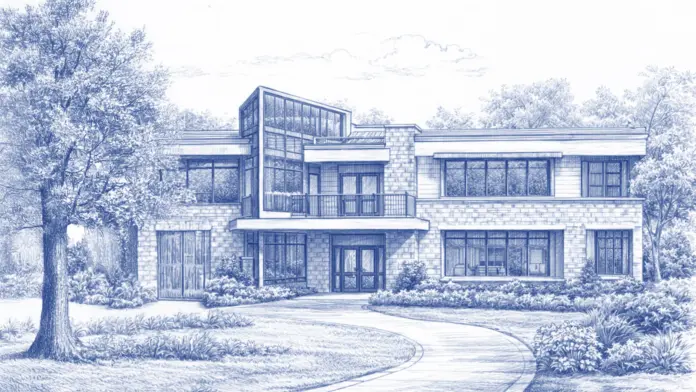
About Emmanuel House
Emmanuel House is a nonprofit organization that’s dedicated to combating homelessness and addiction in the lives of those who’ve served the country. Their residence can be found between Fitzpatrick Park and Weaver-Penrod Park in Detroit, Michigan. As a nonprofit, they primarily rely on donations and VA funding to provide their services, keeping costs extremely low for residents.
A Wide Base Of Support
The support and care Emmanuel House offers encompasses behavioral, mental and physical health and also addresses several social needs. They provide a 60-day program that directly treats substance use disorders (SUDs), which comprises individual counseling and mentorship, group counseling and regular 12-step meetings.
Additionally, residents are offered assistance with moving into affordable housing as well as entrepreneurial training and job skills development. The program’s ultimate goal is to restore each person’s dignity by giving them freedom from addiction and the freedom to live independently.
An Ideal Community For Healing
As a program designed specifically for veterans, it’s easier for residents to form a community with people of similar backgrounds and experiences. The residence is also located near Rogue Park, convenient public transport routes, and job placement agencies, putting resources for finding work and fun within reach.
Facility Overview
 110
110 
Rehab Score
 Our Methodology


Gallery
Other Forms of Payment
Self-pay involves paying for treatment out of your own pocket. You can use savings or credit, get a personal loan, or receive help from family and friends to fund your treatment. If you don't have insurance or your insurance plan doesn't cover a specific program, self-pay can help ensure you still get the care you need.
Military members, veterans, and eligible dependents have access to specific insurance programs that help them get the care they need. TRICARE and VA insurance can help you access low cost or no cost addiction and mental health treatment. Programs that accept military insurance often have targeted treatment focused on the unique challenges military members, veterans, and their families face.
Addiction Treatments
Levels of Care
Residential treatment programs are those that offer housing and meals in addition to substance abuse treatment. Rehab facilities that offer residential treatment allow patients to focus solely on recovery, in an environment totally separate from their lives. Some rehab centers specialize in short-term residential treatment (a few days to a week or two), while others solely provide treatment on a long-term basis (several weeks to months). Some offer both, and tailor treatment to the patient's individual requirements.
Sober Living Houses (SLHs), aka sober homes or halfway houses, are safe, substance-free, supportive living facilities for those recovering from substance abuse. Ideal for those who've just been through inpatient or outpatient treatment, SLHs are supervised environments with rules that support sobriety, such as curfews, shared chores, and therapeutic meetings. Residents are also often trained on life skills and coping skills to make it easier to transition into society. SLHs also provide a strong sense of community that can lead to the kind of deep and lasting connections with other sober individuals that supports a new, healthy lifestyle.
12-step programs are addiction recovery models based on Alcoholics Anonymous (AA). A number of substance abuse programs (including some drug and alcohol rehab centers) use the 12 steps as a basis for treatment. Beginning steps involve admitting powerlessness over the addiction and creating a spiritual basis for recovery. Middle steps including making direct amends to those who've been hurt by the addiction, and the final step is to assist others in addiction recovery in the same way. 12-Step offshoots including Narcotics Anonymous (NA), Cocaine Anonymous (CA), Dual Recovery Anonymous (DRA), Sex and Love Addicts Anonymous (SLAA) and Gamblers Anonymous (GA).
Treatments
Many of those suffering from addiction also suffer from mental or emotional illnesses like schizophrenia, bipolar disorder, depression, or anxiety disorders. Rehab and other substance abuse facilities treating those with a dual diagnosis or co-occurring disorder administer psychiatric treatment to address the person's mental health issue in addition to drug and alcohol rehabilitation.
Mental health rehabs focus on helping individuals recover from mental illnesses like bipolar disorder, clinical depression, anxiety disorders, schizophrenia, and more. Mental health professionals at these facilities are trained to understand and treat mental health issues, both in individual and group settings.
Programs
Adult rehab programs include therapies tailored to each client's specific needs, goals, and recovery progress. They are tailored to the specific challenges adult clients may face, including family and work pressures and commitments. From inpatient and residential treatment to various levels of outpatient services, there are many options available. Some facilities also help adults work through co-occurring conditions, like anxiety, that can accompany addiction.
Serving in the military is both mentally and physically challenging, and can result in trauma that persists even after combat ends. Military programs are tailored to the specific and often complex needs of active duty personnel, veterans, and military families. Clients often access these programs through the U.S. Department of Veterans Affairs (VA).
Young adulthood can be an exciting, yet difficult, time of transition. Individuals in their late teens to mid-20s face unique stressors related to school, jobs, families, and social circles, which can lead to a rise in substance use. Rehab centers with dedicated young adult programs will include activities and amenities that cater to this age group, with an emphasis on specialized counseling, peer socialization, and ongoing aftercare.
Clinical Services
Cognitive Behavioral Therapy (CBT) is a therapy modality that focuses on the relationship between one's thoughts, feelings, and behaviors. It is used to establish and allow for healthy responses to thoughts and feelings (instead of unhealthy responses, like using drugs or alcohol). CBT has been proven effective for recovering addicts of all kinds, and is used to strengthen a patient's own self-awareness and ability to self-regulate. CBT allows individuals to monitor their own emotional state, become more adept at communicating with others, and manage stress without needing to engage in substance abuse.
Group therapy is any therapeutic work that happens in a group (not one-on-one). There are a number of different group therapy modalities, including support groups, experiential therapy, psycho-education, and more. Group therapy involves treatment as well as processing interaction between group members.
In individual therapy, a patient meets one-on-one with a trained psychologist or counselor. Therapy is a pivotal part of effective substance abuse treatment, as it often covers root causes of addiction, including challenges faced by the patient in their social, family, and work/school life.
Rehab.com regularly reviews this listing for accuracy but changes may occur between updates. For the most up-to-date information, please contact Emmanuel House.
Contact Information


18570 Fitzpatrick Court
Detroit, MI 48228
Sponsored Helpline



