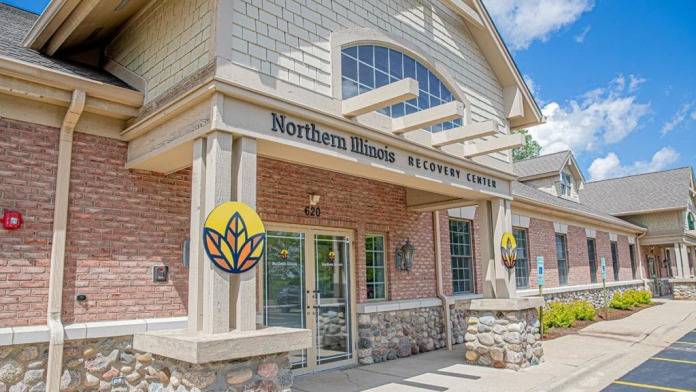
Northern Illinois Recovery Center
1
Top 10 Rehab Centers In Crystal Lake



















































































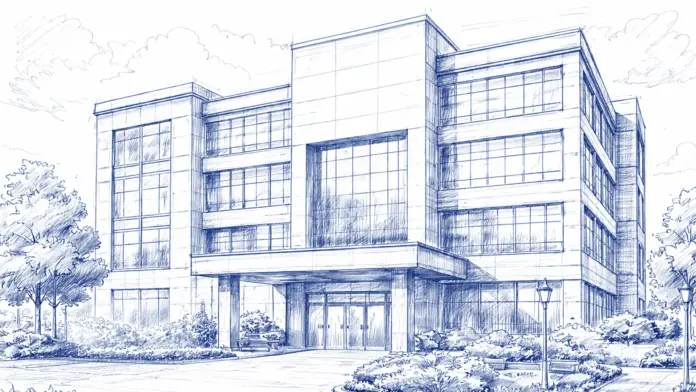
EOSIS Latitudes is a residential addiction treatment center in St. Paul, Minnesota, offering a full continuum of substance use and co-occurring disorder care for the LGBTQ+ community.
The program provides inpatient, partial hospitalization, intensive outpatient and outpatient services.
As a CARF-accredited, state licensed co-occurring facility, EOSIS Latitudes delivers inclusive, evidence based, and trauma informed care in a supportive environment.
Clients can begin with residential treatment, which typically lasts 30 days and may span multiple levels of care.
High-intensity residential offers 30 hours of group and individual counseling weekly, while medium-intensity provides 15 hours, with step-down options through PHP, IOP and outpatient care.
Treatment addresses alcohol, opioid, stimulant and other substance use disorders alongside co-occurring conditions such as depression, anxiety and PTSD.
Therapies include CBT, DBT, trauma focused approaches and holistic options like yoga and meditation, with medication assisted treatment available.
 15 - 30
 Our Methodology


Medicaid is a state based program that helps lower-income individuals and families pay for healthcare. Medicaid covers addiction treatment so those enrolled can use their coverage to pay for rehab. When a program accepts Medicaid the client often pays very little or nothing out of their own pocket.
Private insurance refers to any kind of healthcare coverage that isn't from the state or federal government. This includes individual and family plans offered by an employer or purchased from the Insurance Marketplace. Every plan will have different requirements and out of pocket costs so be sure to get the full details before you start treatment.
Self-pay involves paying for treatment out of your own pocket. You can use savings or credit, get a personal loan, or receive help from family and friends to fund your treatment. If you don't have insurance or your insurance plan doesn't cover a specific program, self-pay can help ensure you still get the care you need.
Sliding scale payments are based on a client's income and family size. The goal is to make treatment affordable to everyone. By taking these factors into account, addiction recovery care providers help ensure that your treatment does not become a financial burden to you or your family, eliminating one barrier to care.
Clients typically enter inpatient rehab after they complete detox. Inpatient care is also designed for clients who are experiencing a crisis and are at an increased risk of relapse. Clients reside at the treatment center for the duration of their program. Clients engage in intensive addiction counseling, often using CBT, DBT, RBT, motivational interviewing or other proven modalities. Many inpatient rehabs offer recovery-focused life skills training. Evidence-based complementary therapies, such as meditation and yoga, may be included.
A partial hospitalization program (PHP) can provide supportive and structured care to those who don't require 24/7 supervision. It can be used as a "step-down" option after you're released from the hospital or a residential program. PHP treatment integrates evidence-based therapies, such as cognitive-behavioral therapy (CBT), and dialectical behavior therapy (DBT). The duration of a partial hospital program is tailored to meet your specific needs and goals but averages 90 days.
Intensive outpatient programs (IOP) provide one of the highest levels of care available in an outpatient setting and are designed for clients who require robust support. Many intensive outpatient rehabs offer personalized treatment plans and a variety of services, including individual, group, and family counseling, recovery-focused life skills training, holistic therapies, and medication assisted treatment (MAT). Clients typically receive between nine and 20 hours of care weekly.
Outpatient rehabs typically provide a full continuum of care both for clients in early recovery and for those who are well advanced in their recovery journey. Their levels of care typically include partial hospitalization (PHP), intensive outpatient (IOP), sober living/halfway housing, and standard outpatient programming. Many outpatient facilities offer evening, night, and weekend services, including addiction counseling and recovery-focused life skills training, to accommodate clients' work and family schedules.
Alcoholism is a chronic, progressive condition involving the excessive and compulsive consumption of alcohol. This overconsumption leads to physical dependence and alcohol addiction. Alcohol rehab in Minnesota offers resources to help individuals recover from alcoholism and maintain a sober lifestyle. Treatment typically involves a three-step process that begins with supervised detox, followed by behavioral-based rehab, then continues with sobriety maintenance.
 Opioid Addiction
Drug addiction is defined as an inability to stop using drugs even though it causes negative consequences in your life. Drug rehab in Minnesota provides treatment for drug addiction in a variety of settings including inpatient treatment and outpatient treatment.
Substance abuse treatment programs in Minnesota are designed to support individuals to overcome addiction. These programs employ evidence-based therapies such as cognitive-behavioral therapy (CBT), dialectical behavior therapy (DBT), and eye movement desensitization and reprocessing (EMDR), together with individual and group therapy, and recovery meetings. With a variety of treatment options available, which typically include outpatient, inpatient, dual-diagnosis, and partial hospitalization, you'll be able to find a personalized treatment option that works for your individual needs.
One of the main goals of inpatient rehab is the simultaneous treatment an addiction and co-occurring mental health disorders. Services usually include individual and group counseling and relapse prevention education. Other standard therapies can include coping skills training, cognitive-behavioral therapy (CBT), motivational interviewing, and family support groups. By offering a number of critical therapies under one roof, you have a greater chance of boosting overall mental health and achieving sustained recovery.
Dual-diagnosis addiction treatment in Minnesota emphasizes integrated care for individuals with co-occurring substance use disorders and mental health conditions. Their specialized programs offer outpatient, inpatient, partial hospitalization, and intensive outpatient levels of care. Therapies such as cognitive behavioral therapy, or dialectical behavioral therapy, mindfulness-based therapy, and experiential therapy help clinical experts to treat both disorders and promote mental health and well-being. Additional services like medically assisted detox, 12-Step recovery, and aftercare support may be available to further support you in sustaining your recovery.
Adult rehab programs include therapies tailored to each client's specific needs, goals, and recovery progress. They are tailored to the specific challenges adult clients may face, including family and work pressures and commitments. From inpatient and residential treatment to various levels of outpatient services, there are many options available. Some facilities also help adults work through co-occurring conditions, like anxiety, that can accompany addiction.
Recovery is most successful when clients feel accepted and validated by their peers and treatment providers. Facilities that offer LGBTQ-inclusive programming are committed to creating a safe space where everyone can grow and recover without fear of judgment or discrimination. They will have dedicated policies in place to create a safe and supportive environment that fosters free expression.
Therapists often use cognitive behavioral therapy in Minnesota to treat substance use disorders because it can help clients quickly identify challenges and ways to cope with them. Its structured, specific methods require fewer sessions than other types of therapy.
Dialectical behavior therapy focuses on four skills: emotional regulation, mindfulness, acceptance and distress tolerance, and interpersonal effectiveness. Treatment involves individual sessions, as well as group sessions where you can start applying the skills you learn.
Trauma therapy helps you understand and manage your mental, emotional, and physical responses to trauma. Using therapeutic interventions, you learn to reframe the experience, which in turn reduces your anxiety and helps you regain control over your life.
 Gym
Gym  Recreation Room
  Yoga Studio
State Licenses are permits issued by government agencies that allow rehab organizations to conduct business legally within a certain geographical area. Typically, the kind of program a rehab facility offers, along with its physical location, determines which licenses are required to operate legally.
State License: Minnesota

The Commission on Accreditation of Rehabilitation Facilities (CARF) is a non-profit organization that specifically accredits rehab organizations. Founded in 1966, CARF's, mission is to help service providers like rehab facilities maintain high standards of care.
CARF Accreditation: Yes
Rehab.com regularly reviews this listing for accuracy but changes may occur between updates. For the most up-to-date information, please contact EOSIS Latitudes.

135 E Colorado St, St Paul, MN 55107
Sponsored Helpline

The staff and counselors that work for latitudes are great however it being intertwined with Tapestry makes everything confusing and dysfunctional when it comes to medications and the nursing staff. Also while I am grateful for most the staff- I got notified out of the blue my insurance was running out literally the day before I needed to leave and I had nothing set up due to some confusion/lack of effort of the CPRS who helps set up housing and aftercare. Luckily we found a place but they were talking about sending me to a shelter and I panicked. I wish they would work on cases such as this as I saw many other women and people get notified on such short notice that they were cut off the day before- I don’t think this is acceptable and there’s no way they aren’t getting notified sooner than the day before as I called my insurance myself and they told me they notify the facility at least a week prior to your out date. For this reason there are people who either went back to the streets or got placed in a terrible place and not at all set up for success. I really hope they address this major problem as I see it detrimental to ones recovery to know they’ll be going somewhere safe and sober. Emily the program director should really listen to the clients and stop running it like a dictatorship. Those are my thoughts on latitudes.


I'll die b4 I subject myself to their belittling again. -Matt Lindman

I loved how I was treated while I was there I was sober for a while but not loving yourself and having people to love you hinders you from staying sober. I love you latitudes
 Back
Back
Sharing your insights and experiences can help others learn more about this rehab center.