





























































































My time receiving treatment here wasn't completely bad, I learned a few things that will keep helping me for the rest of my life but there were also many things that could improve a lot.
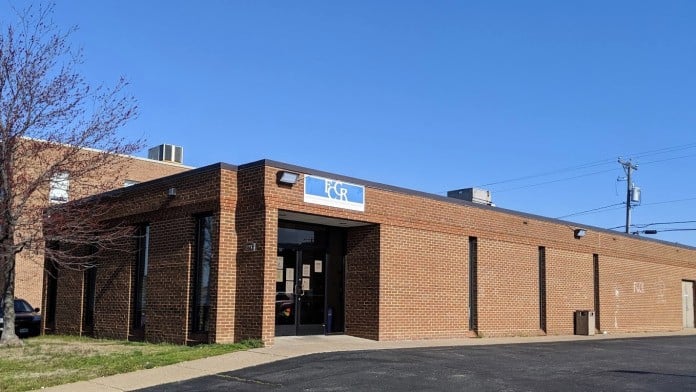
About FCCR Radford
The center accepts Medicare Advantage, Medicare and Medicaid. They also accept most major insurance. The staff will work with you to develop a payment plan if you’re underinsured or uninsured.
The clinic in Richmond offers an outpatient opioid treatment program. They also have a leading intensive outpatient treatment program (IOP). Both programs begin with an intake assessment to determine the best treatment plan for your situation. If inpatient detox or an inpatient program is indicated, they’ll refer you to one of their other centers, some of which are also in Richmond.
They offer medication assisted treatment (MAT) to help you on your road to sobriety. If you’re worried about taking medication, MAT is an evidence based therapy and clinical research shows it to be one of the best ways to achieve and maintain sobriety. They use medications such as Suboxone (buprenorphine), methadone and Vivitrol (naltrexone).
You’ll only be offered MAT if you’re willing to attend counseling and behavioral therapy. If you’re against using medication in your treatment program, they’ll work with you to come up with a different treatment plan.
The outpatient treatment program includes addiction and vocational counseling. You’ll also participate in individual, group and family counseling. They use cognitive behavioral therapy (CBT) to help you identify your negative and incorrect thoughts. You’ll learn how to change your feelings and behavior. You’ll work on life skills and attend meditation groups. They also have motivational interviewing (MI).
They have specialized programming where they offer gender specific groups and aftercare monitoring. You’ll have case management services and can attend alumni aftercare meetings when you finish your program.
The outpatient treatment program at FCCR is open Monday through Friday 5:30 a.m. to 11:00 a.m. and 2:00 p.m. to 6:00 p.m. They also have hours on Saturdays from 6:30 a.m. to 11:00 a.m.
Latest Reviews
Edit Aug 2026: I still like this place & think it's better than most other clinics in the Richmond area. There have been some screwups over the years but mostly I've had good experiences. Things definitely also depend on your own attitude & your counselor, so switch counselors if you're not a match with yours.
Original: This place has improved drastically since the new director has taken over approx 1 year ago. Its the only clinic that has ever shown me they actually care about their patients. Awful lady who gives you your meds at the window (Tunisia?) is gone, also so is awful front desk lady (Cheryl). I made a complaint about them 2 weeks after new director took over and didnt receive retribution or bad treatment they actually told me I was 100% right, I could not be any more right, what can they do to correct this? I couldnt believe it, as someone in recovery, I had never been treated this way (treated well!). There are many wonderful people now working at this place! Much better clinic than ANY of the others in the area
Response from the owner1 week ago
Thank you for the thoughtful review, and for taking the time to update it with your recent experience. Honest feedback like this, the good and the bad, is how we keep getting better. You're right that a good counselor match matters, and we're always glad to help someone find the right fit. We appreciate you sticking with us!
I've been going here for 6months and before that I was at the VA. There's a few differences between them both but most of all I can tell the Care. I have had 2 Counselors which is understandable considering the work load they have. Since the begining I have been happy and impressed how easy they made my transferring. I started just where I left off at the VA.The only thing I don't agree with or understand is when getting an increase u have to pick up for 3days before getting ur tak homes. I can understand this policy when u a starting out. But it doesn't make much sense after that. I can also say when there was a problem with my pick up (ther Mistake) my councler fixed and had all my bottles in 30mins. All I can say is If u work the program it works. Thank you
Response from the owner1 week ago
Thank you for sharing your experience with us, Kevin! Your positive outlook and commitment to the program are inspiring! Thank you for being part of our community. 😊
I love my counselor here at Pinnacle treatment center FCCR Radford. I feely counselor Lauren is amazing she's does everything she can possibly do for. Shes supplies me with wonderful advice, wonderful resources and everything else a counselor should do. My panic attacks got to such a bad point that she gave me her cell phone number in case I need to message or call when I need her. FCCR RADFORD SAVED MY LIFE!!!
Response from the owner1 week ago
Hi Sarah, we're so happy to hear about the awesome support and care you've received from our team! It warms our hearts to know that they go above and beyond to provide you with the care, resources, and support you need, especially during difficult moments like panic attacks. Your experience is a testament to the dedication and compassion of our team, and we're honored to have been part of your journey to recovery. Thank you for sharing your story, and please know that we're here to continue supporting you every step of the way. Your well-being is our priority, and we're grateful to have made a positive impact in your life 🙂. 
Rehab Score
 Our Methodology
Scoring is assigned by a proprietary system which helps surface key metrics that determine quality. The 10-point scale factors in categories such as operations, customer satisfaction, and trust metrics. Read Full Methodology

8.2 / 10
Gallery
Accepted Insurance

Consumer Health Network
Health Integrated
Qualcare
Other Forms of Payment
Private insurance refers to any kind of healthcare coverage that isn't from the state or federal government. This includes individual and family plans offered by an employer or purchased from the Insurance Marketplace. Every plan will have different requirements and out of pocket costs so be sure to get the full details before you start treatment.
Self-pay involves paying for treatment out of your own pocket. You can use savings or credit, get a personal loan, or receive help from family and friends to fund your treatment. If you don't have insurance or your insurance plan doesn't cover a specific program, self-pay can help ensure you still get the care you need.
Financial aid can take many forms. Centers may have grants or scholarships available to clients who meet eligibility requirements. Programs that receive SAMHSA grants may have financial aid available for those who need treatment as well. Grants and scholarships can help you pai for treatment without having to repay.
Medicare is a federal program that provides health insurance for those 65 and older. It also serves people under 65 with chronic and disabling health challenges. To use Medicare for addiction treatment you need to find a program that accepts Medicare and is in network with your plan. Out of pocket costs and preauthorization requirements vary, so always check with your provider.
Military members, veterans, and eligible dependents have access to specific insurance programs that help them get the care they need. TRICARE and VA insurance can help you access low cost or no cost addiction and mental health treatment. Programs that accept military insurance often have targeted treatment focused on the unique challenges military members, veterans, and their families face.
Medicaid is a state based program that helps lower-income individuals and families pay for healthcare. Medicaid covers addiction treatment so those enrolled can use their coverage to pay for rehab. When a program accepts Medicaid the client often pays very little or nothing out of their own pocket.
Addiction Treatments
Levels of Care
Outpatient Programs (OP) are for those seeking mental rehab or drug rehab, but who also stay at home every night. The main difference between outpatient treatment (OP) and intensive outpatient treatment (IOP) lies in the amount of hours the patient spends at the facility. Most of the time an outpatient program is designed for someone who has completed an inpatient stay and is looking to continue their growth in recovery. Outpatient is not meant to be the starting point, it is commonly referred to as aftercare.
Clients who are in early recovery, leaving detox, or experiencing a crisis often require the intensive treatment of an inpatient rehab facility. Clients in inpatient care receive robust clinical supervision, housing, and meals, allowing them to focus exclusively on their recovery while they stabilize. The primary treatment modalities used in most inpatient centers include extensive addiction counseling and recovery-focused life skills training. Many drug rehabs also offer holistic therapies, such as music, art, fitness, and experiential therapies.
Intensive Outpatient Programs (IOP) are for those who want or need a very structured treatment program but who also wish to live at home and continue with certain responsibilities (such as work or school). IOP substance abuse treatment programs vary in duration and intensity, and certain outpatient rehab centers will offer individualized treatment programs.
Clients participating in a rehab aftercare program receive comprehensive and customized support as they leave high-intensity treatment, reintegrate into their community, and focus on maintaining their sobriety. These programs offer a wide variety of services to align with the client's unique and evolving needs, often including medical, mental health, and social service program referrals. Clients typically develop their drug rehab aftercare plan in conjunction with their case manager and care team.
Once involved in a 12 step recovery program, clients can commit to a model of life-long recovery rooted in spiritual growth and intensive peer support. 12 step meetings are anonymous, peer-led, free, and accessible day and night, year-round, in most communities. Self-selected sponsors provide one-on-one coaching as participants work through the steps of recovery. These steps are based on spiritual principles used to address the origins of the addiction and to encourage self-compassion, forgiveness, acceptance, and accountability.
A sober living home in Vermont offers a balance between monitored structure and living in mainstream society. No alcohol or drugs are allowed on the premises, and residents must participate in 12-step meetings. Residents of the halfway house also agree to submit to random drug screenings, pay rent, and participate in household activities such as meetings, meals, and chores.
A drug intervention in Virginia requires careful planning and execution. Due to complex family dynamics, intervention services are often necessary to help families successfully navigate the process. An intervention specialist can help family members plan what they will say and then facilitate the conversation. This expert also educates everyone involved about addiction, enabling behaviors, and treatment options.
A partial hospitalization program (PHP) offers a structured environment for intensive treatment of behavioral and substance use disorders. PHP treatment can consist of sessions ranging from 6-8 hours per day for an average of 90 days. You can often expect to engage in behavioral therapies, such as cognitive-behavioral therapy (CBT) and dialectical behavior therapy (DBT), and receive medication. PHP treatment is often covered either fully or partially by insurance providers.
Drug and alcohol addiction often takes a heavy toll on one's body. Over time, a physical dependence can develop, meaning the body physiologically needs the substance to function. Detox is the process of removing drugs and/or alcohol from the body, a process that can be lethal if mismanaged. Medical detox is done by licensed medical professionals who monitor vital signs and keep you safe, healthy, and as comfortable as possible as you go through detox and withdrawal.
Treatments
The goal of treatment for alcoholism is abstinence. Those with poor social support, poor motivation, or psychiatric disorders tend to relapse within a few years of treatment. For these people, success is measured by longer periods of abstinence, reduced use of alcohol, better health, and improved social functioning. Recovery and Maintenance are usually based on 12 step programs and AA meetings.
When you enroll in drug rehab in Virginia, a treatment plan is designed by professional staff in order to help you overcome drug addiction and modify addictive behaviors. This may include evidence-based treatments, group and individual therapy, and relapse prevention.
Opioid rehabs specialize in supporting those recovering from opioid addiction. They treat those suffering from addiction to illegal opioids like heroin, as well as prescription drugs like oxycodone. These centers typically combine both physical as well as mental and emotional support to help stop addiction. Physical support often includes medical detox and subsequent medical support (including medication), and mental support includes in-depth therapy to address the underlying causes of addiction.
Substance rehabs focus on helping individuals recover from substance abuse, including alcohol and drug addiction (both illegal and prescription drugs). They often include the opportunity to engage in both individual as well as group therapy.
Programs
Adult rehab programs include therapies tailored to each client's specific needs, goals, and recovery progress. They are tailored to the specific challenges adult clients may face, including family and work pressures and commitments. From inpatient and residential treatment to various levels of outpatient services, there are many options available. Some facilities also help adults work through co-occurring conditions, like anxiety, that can accompany addiction.
Young adulthood can be an exciting, yet difficult, time of transition. Individuals in their late teens to mid-20s face unique stressors related to school, jobs, families, and social circles, which can lead to a rise in substance use. Rehab centers with dedicated young adult programs will include activities and amenities that cater to this age group, with an emphasis on specialized counseling, peer socialization, and ongoing aftercare.
Recovery is most successful when clients feel accepted and validated by their peers and treatment providers. Facilities that offer LGBTQ-inclusive programming are committed to creating a safe space where everyone can grow and recover without fear of judgment or discrimination. They will have dedicated policies in place to create a safe and supportive environment that fosters free expression.
Serving in the military is both mentally and physically challenging, and can result in trauma that persists even after combat ends. Military programs are tailored to the specific and often complex needs of active duty personnel, veterans, and military families. Clients often access these programs through the U.S. Department of Veterans Affairs (VA).
Clinical Services
Cognitive behavioral therapy in Virginia is a short term form of talk therapy. Participants usually have homework between sessions, which may include journaling, self talk, and setting SMART goals. The aim is to transform negative thought patterns into positive ones.
Group therapy is any therapeutic work that happens in a group (not one-on-one). There are a number of different group therapy modalities, including support groups, experiential therapy, psycho-education, and more. Group therapy involves treatment as well as processing interaction between group members.
Men and women in Virginia use individual therapy to focus on addiction related challenges as a necessary part of their drug and alcohol addiction treatment. Your therapist guides you in developing coping strategies, setting realistic goals, and building a strong foundation for an improved quality of life.
Motivational interviewing in Virginia allows clients to examine their lives and consider their options. It is particularly useful if the client lacks confidence in their ability to change or is feeling uncertain about their desire to change.
Trauma therapy helps you understand and manage the emotional and physical responses that often follow witnessing or experiencing traumatic events. Using therapeutic interventions, your therapist works with you to reframe that experience, which in turn reduces your anxiety and helps you regain control over your life.
If you and your partner are facing challenges, couples therapy in Virginia is designed to help you work through those in a healthy way. Common challenges that couples therapy addresses include conflict resolution, financial disagreements, intimacy challenges, health issues, and substance abuse.
Research clearly demonstrates that recovery is far more successful and sustainable when loved ones like family members participate in rehab and substance abuse treatment. Genetic factors may be at play when it comes to drug and alcohol addiction, as well as mental health issues. Family dynamics often play a critical role in addiction triggers, and if properly educated, family members can be a strong source of support when it comes to rehabilitation.
If you've experienced addiction, you may have lost the skills to self manage and adapt to change. Because these basic life skills are crucial for recovery, drug rehab programs typically include life skills training as an integral part of treatment.
The goal of nicotine replacement therapy is to reduce the discomfort of quitting cigarettes. It provides small doses of nicotine to curb cravings and withdrawal without exposing you to the other harmful chemicals found in cigarettes.
Amenities
-
 Residential Setting
 -
 Private Rooms
Accreditations

The Substance Abuse and Mental Health Services Administration (SAMHSA) is a branch of the U.S. Department of Health and Human Services. Established in 1992 by congress, SAMHSA's mission is to reduce the impact of substance abuse and mental illness on American's communities.
SAMHSA Listed: Yes

The Commission on Accreditation of Rehabilitation Facilities (CARF) is a non-profit organization that specifically accredits rehab organizations. Founded in 1966, CARF's, mission is to help service providers like rehab facilities maintain high standards of care.
CARF Accreditation: Yes

The Joint Commission, formerly known as JCAHO, is a nonprofit organization that accredits rehab organizations and programs. Founded in 1951, the Joint Commision's mission is to improve the quality of patient care and demonstrating the quality of patient care.
Joint Commission Accreditation: Yes
Rehab.com regularly reviews this listing for accuracy but changes may occur between updates. For the most up-to-date information, please contact FCCR Radford.
Contact Information

4906 Radford Avenue
Richmond, VA 23230
Get Help Now - 804-889-0907
Sponsored Helpline
Sponsored Helpline



