











All In Solutions Wellness Center
1
Top 10 Rehab Centers In West Palm Beach



















































































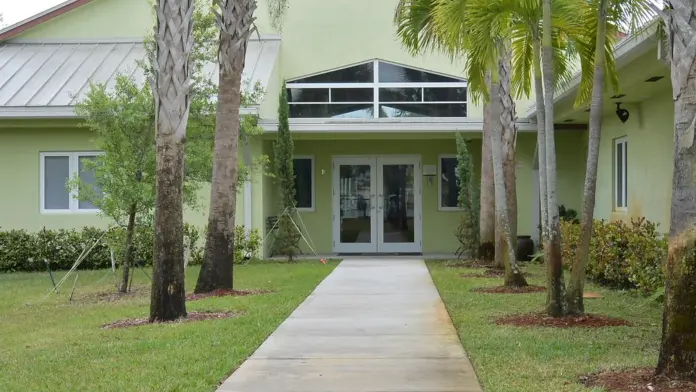
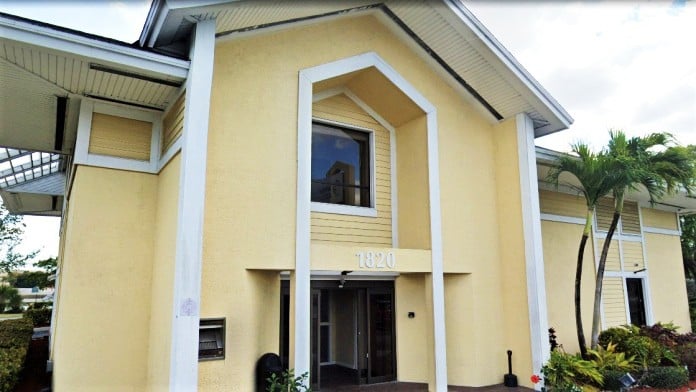
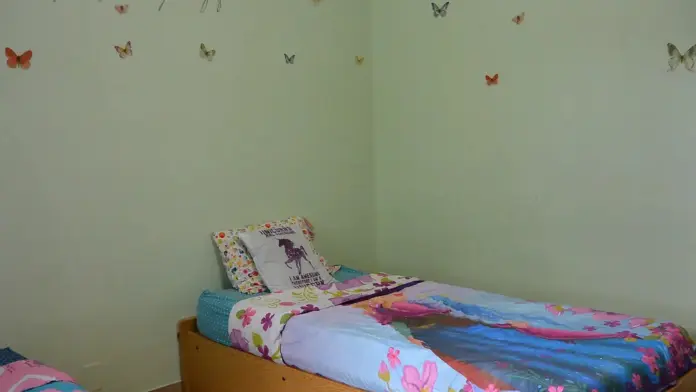
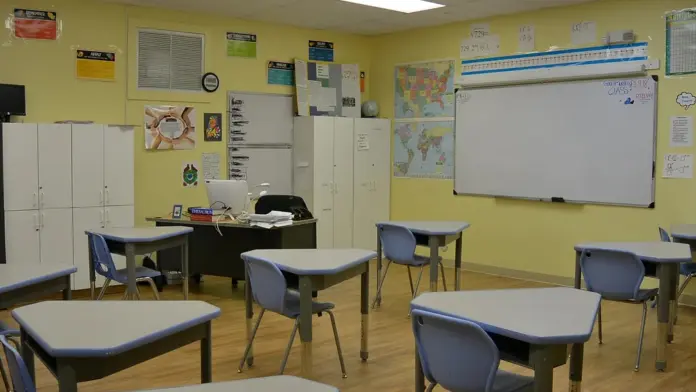
They’re able to accommodate 38 children at a time. The length of the program will depend on your child’s treatment plan but it can be anywhere from four to six months. The bedrooms are designed with two beds, with the exception four bedrooms that have one bed. If you would like your child to attend, they require a recommendation from a psychiatrist or psychologist.
I do like that regardless of the individual treatment plan, your child will always be involved in some sort of therapy. Individual therapy will be required to attend at least once a week. The session is with a master’s level clinician. They will also review your child’s treatment plan monthly. Group therapy will be attended once a month. Family therapy is required to be attended. The sessions are scheduled weekly and address issues within the family.
They do offer substance use treatment. The counselors will conduct an assessment and screening to make sure substance use counseling is needed. If they determine that your child needs substance use counseling, then they will be provided with weekly counseling.
When it comes to discharge planning, I like that the parent is involved. The therapist will work with the child and parents to set goals that are realistic.


 38
38 
 Our Methodology



Private insurance refers to any kind of healthcare coverage that isn't from the state or federal government. This includes individual and family plans offered by an employer or purchased from the Insurance Marketplace. Every plan will have different requirements and out of pocket costs so be sure to get the full details before you start treatment.
Self-pay involves paying for treatment out of your own pocket. You can use savings or credit, get a personal loan, or receive help from family and friends to fund your treatment. If you don't have insurance or your insurance plan doesn't cover a specific program, self-pay can help ensure you still get the care you need.
Medicaid is a state based program that helps lower-income individuals and families pay for healthcare. Medicaid covers addiction treatment so those enrolled can use their coverage to pay for rehab. When a program accepts Medicaid the client often pays very little or nothing out of their own pocket.
Residential treatment programs are those that offer housing and meals in addition to substance abuse treatment. Rehab facilities that offer residential treatment allow patients to focus solely on recovery, in an environment totally separate from their lives. Some rehab centers specialize in short-term residential treatment (a few days to a week or two), while others solely provide treatment on a long-term basis (several weeks to months). Some offer both, and tailor treatment to the patient's individual requirements.
The first step of the recovery process involves the removal of all drugs and alcohol from your system while under 24/7 medical supervision. Known as a medically assisted detox, you are closely monitored by medical staff who can provide medications, if necessary, to help alleviate any potential withdrawal symptoms. Medical detox is usually followed by a period of inpatient addiction treatment.
Mental health rehabs focus on helping individuals recover from mental illnesses like bipolar disorder, clinical depression, anxiety disorders, schizophrenia, and more. Mental health professionals at these facilities are trained to understand and treat mental health issues, both in individual and group settings.
Adult rehab programs include therapies tailored to each client's specific needs, goals, and recovery progress. They are tailored to the specific challenges adult clients may face, including family and work pressures and commitments. From inpatient and residential treatment to various levels of outpatient services, there are many options available. Some facilities also help adults work through co-occurring conditions, like anxiety, that can accompany addiction.
Young adulthood can be an exciting, yet difficult, time of transition. Individuals in their late teens to mid-20s face unique stressors related to school, jobs, families, and social circles, which can lead to a rise in substance use. Rehab centers with dedicated young adult programs will include activities and amenities that cater to this age group, with an emphasis on specialized counseling, peer socialization, and ongoing aftercare.
Recovery is most successful when clients feel accepted and validated by their peers and treatment providers. Facilities that offer LGBTQ-inclusive programming are committed to creating a safe space where everyone can grow and recover without fear of judgment or discrimination. They will have dedicated policies in place to create a safe and supportive environment that fosters free expression.
The providers who specialize in the children's rehab space understand the specialized needs that this population faces. School-based and social services such as tutoring and family counseling are often central to treatment. Child programs may also address the needs of youth experiencing substance abuse in the home, including a parent's or sibling's addiction.
Cognitive Behavioral Therapy (CBT) is a therapy modality that focuses on the relationship between one's thoughts, feelings, and behaviors. It is used to establish and allow for healthy responses to thoughts and feelings (instead of unhealthy responses, like using drugs or alcohol). CBT has been proven effective for recovering addicts of all kinds, and is used to strengthen a patient's own self-awareness and ability to self-regulate. CBT allows individuals to monitor their own emotional state, become more adept at communicating with others, and manage stress without needing to engage in substance abuse.
Dialectical Behavior Therapy (DBT) is a modified form of Cognitive Behavioral Therapy (CBT), a treatment designed to help people understand and ultimately affect the relationship between their thoughts, feelings, and behaviors. DBT is often used for individuals who struggle with self-harm behaviors, such as self-mutilation (cutting) and suicidal thoughts, urges, or attempts. It has been proven clinically effective for those who struggle with out-of-control emotions and mental health illnesses like Borderline Personality Disorder.
Group therapy is any therapeutic work that happens in a group (not one-on-one). There are a number of different group therapy modalities, including support groups, experiential therapy, psycho-education, and more. Group therapy involves treatment as well as processing interaction between group members.
In individual therapy, a patient meets one-on-one with a trained psychologist or counselor. Therapy is a pivotal part of effective substance abuse treatment, as it often covers root causes of addiction, including challenges faced by the patient in their social, family, and work/school life.
Trauma therapy addresses traumatic incidents from a client's past that are likely affecting their present-day experience. Trauma is often one of the primary triggers and potential causes of addiction, and can stem from child sexual abuse, domestic violence, having a parent with a mental illness, losing one or both parents at a young age, teenage or adult sexual assault, or any number of other factors. The purpose of trauma therapy is to allow a patient to process trauma and move through and past it, with the help of trained and compassionate mental health professionals.
Whether a marriage or other committed relationship, an intimate partnership is one of the most important aspects of a person's life. Drug and alcohol addiction affects both members of a couple in deep and meaningful ways, as does rehab and recovery. Couples therapy and other couples-focused treatment programs are significant parts of exploring triggers of addiction, as well as learning how to build healthy patterns to support ongoing sobriety.
Research clearly demonstrates that recovery is far more successful and sustainable when loved ones like family members participate in rehab and substance abuse treatment. Genetic factors may be at play when it comes to drug and alcohol addiction, as well as mental health issues. Family dynamics often play a critical role in addiction triggers, and if properly educated, family members can be a strong source of support when it comes to rehabilitation.
Experiential therapy is a form of therapy in which clients are encouraged to surface and work through subconscious issues by engaging in real-time experiences. Experiential therapy departs from traditional talk therapy by involving the body, and having clients engage in activities, movements, and physical and emotional expression. This can involve role-play or using props (which can include other people). Experiential therapy can help people process trauma, memories, and emotion quickly, deeply, and in a lasting fashion, leading to substantial and impactful healing.
 Residential Setting
The Joint Commission, formerly known as JCAHO, is a nonprofit organization that accredits rehab organizations and programs. Founded in 1951, the Joint Commision's mission is to improve the quality of patient care and demonstrating the quality of patient care.
Joint Commission Accreditation: Yes

State Licenses are permits issued by government agencies that allow rehab organizations to conduct business legally within a certain geographical area. Typically, the kind of program a rehab facility offers, along with its physical location, determines which licenses are required to operate legally.
State License: Florida
Rehab.com regularly reviews this listing for accuracy but changes may occur between updates. For the most up-to-date information, please contact Florida Palms Academy.

5925 McKinley Street
Hollywood, FL 33021
Sponsored Helpline

The worst expense that I have ever had was to drop my son off to strangers. My child was lost, he was going in the direction of obesity, and he did not value his life. I met Miss Hampton. It was to be Travis therapist. She assured me that they would take real good care of Travis and his needs. Over the period of 6 months, I was taught through experience that my parenting skills needed to be changed. During the session between their staff and me and my significant other, we develop a future strategy in dealing with our dysfunctional child. For someone that was always wanting to run away, did not want to listen to instructions, and very unhappy with living with us, his future had been transformed. A 12-year-old was changed. Miss Hampton, made me realize that there is no such thing as being a perfect parent. I needed to open up my perception. I needed to change. In my heart, I know it was my behavior that also created a trigger in Travis behavior. By talking to Travis and his therapist, together she made me realize that. I agreed to work with the staff and there was a complete transition of change in all of our lives. What I respect and what I like the most is the truthfulness of his therapist to not back down. She was facing a parent such as myself that thought that I didn't need any advice at being a parent. It was an Awakening experience to find someone that was not too concerned with my reactions but the person was willing to be honest and tell me that maybe I need to change things as a parent. While my son was getting treatment, I took her advice and I started working on myself. She was explaining to me that I could be creating a trigger effect by some of my actions toward my son. I never looked at that possibility but I remained open to her suggestions. Each time that he went on pass, he was so happy to come home. This facility was not perfect but it created the perfect result for our family. I am not interested in my son liking the facility. I am only interested in the results. I noticed Travis put in a bad review on the facility but it is a place that no child should enjoy. We as parents want them to come home in a different spirit. Not to fall in love with their facility. Ironically, sometime it takes people as tough as nails. Travis therapist was very kind, but also she was stern enough to not allow me to make excuses. Change itself is the only permanent part of life. We are truly blessed for having placed our child in good hands. I would also like to personally thank Miss Hampton. She truly is a prodigy. It has been a month since Travis had left the facility. He used to hate going to school but now he is on a good track and his attitude is good when he wake up. Everybody at Travis School has noticed Travis new attitude and his physique and appearance. He appears to have the drive to succeed. As a parent I'm keeping my coping skills Ms Hampton had encouraged me to change. Each day, I have to remind myself that I was giving a second chance at making Travis life incredible.

I wish I could give more than 5 Stars!!! Our experience at Florida Palms Academy was truly incredible. From the very beginning, the entire team — therapists, staff, and psychiatrist — were amazing, kind, compassionate, and genuinely supportive. We always felt heard and respected, no matter what situation we were navigating. What meant the most to our family was how committed they were to working with us to find the very best outcomes for my son. They took the time to really understand our needs, our challenges, and our goals, and they never made us feel like just another case. Their thoughtful approach, patience, and dedication made a meaningful difference in our lives. Because of their care and professionalism, difficult moments became more manageable and positive progress felt possible. We are truly grateful for the impact Florida Palms Academy has had on our family and would highly recommend them to anyone looking for a supportive, knowledgeable, and compassionate team.

Do not go here I’m on pass and they don’t care about your treatment they only want the check except Mrs elesia

Do not send your kid here do not trust no staff but not all staff are bad but they take you to the room and slam you face forward and try to make it seem like you did something bad plz do not send your kid there they don't do your family therapy sessions like there supposed to they don't do there therapy like their supposed to don't recommend.
 Back
Back
Sharing your insights and experiences can help others learn more about this rehab center.


 Written By: Jenise Alvarez

