































































































I never knew how much it helped me until I got home... the philosophy stuck in my head. The people the staff the community everything is stuck in my head.im going to meetings I'm looking for a home group a sponsor,the whole 9.lol...I even convinced my bug big sister into com ...
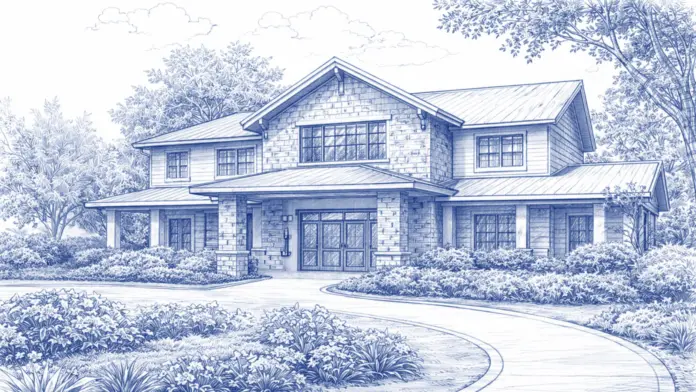
About Gaudenzia West Chester House
The residential program provides individuals an opportunity to live on site and remove themselves from their home environment in order to focus on recovery. Individual counseling, group counseling, trauma-informed treatment services, gender responsive care, and culturally appropriate services are provided. Individuals focus on the root cause of their challenges, while they learn new skills in order to effectively create a solid foundation for ongoing recovery.
Upon completion of the residential program, individuals may choose to step down into an aftercare phase of recovery that includes outpatient services. Most frequently, individuals continue with counseling services. They may also choose to participate in alumni groups, community based support groups, and peer support groups.
Gaudenzia – Kindred House accepts most insurance plans, including Amerigroup, Anthem, Beacon, Magellan, and United Healthcare. Out of network benefits may vary, so it is important to verify coverage with your provider prior to starting treatment.
Latest Reviews
In places like this everyone's experience is Different for me I would say This Program is and will always be home for me due to the fact that the foundation of my recovery and the restructuring of my life started here This is a program wherewhat you put in is what you will receive out of it I am truly greatful to the staff the counselors from the Director on Down to the RSP's I've grown very fond of this place and was happy yet sad when it was time for me to move on to the next level of my recovery I honestly miss them dearly and this place will always have a special place in my heart I was able to learn and appreciate so Many things about myself where people look for perfection they forget the meaning of what it means to be greatful Last but not least The food The Food The Food The food immaculate Mama Nan and Ms T. Don't play when it come to them pots and pans let me tell you they get down in that kitchen and I appreciate the love that they've shown towards me and the rest of the community To all the staff there I'm greatful for them helping me walk in the right direction ❣️💯
My name is Adam and I'm an grateful recovered addict, my stay there was amazing very beautiful pleace to recover great staff that treat you with the up most respect, mama Nancy is a pillar in the community of gaudenzia west Chester house I will never forget her love and passion she has doing her job and the counselors are amazing.. can't for get Aaron the director of the program he helped me in so many ways I'm am forever grateful for God letting us cross paths. God bless everyone on there journey and God bless the gaudenzia west Chester house
Forget any negative reviews! This is by far THE BEST recovery center of all times! Let's start with the director... 1st off, he will insure the best after care for your well being. He is exceptionally fair. I messed up time after time and he gave me opportunity after opportunity. The rules of the program is enforced but he seen in me what I couldn't see in myself. Now the staff??? They became my family. I'm not saying any names but the RSP Supervisor cares deeply about the clients and their safety. She's like Debo who wants you to take the recovery process seriously. As far as the rest of the staff. Individually they they are not just assets to the company but essential to life. Now if I don't say anything about how good Momma Nancy feeds everyone, I would be dead wrong. When I say you get feed like Grandma back around, The food is excellent. My only complaint is that the residents messed up the coffee twice a day. Smh. Somebody broke into the coffee machine and got caught! Tip on my whole coffee operation 😁

Rehab Score
 Our Methodology
Scoring is assigned by a proprietary system which helps surface key metrics that determine quality. The 10-point scale factors in categories such as operations, customer satisfaction, and trust metrics. Read Full Methodology

7.1 / 10
Location
Other Forms of Payment
Private insurance refers to any kind of healthcare coverage that isn't from the state or federal government. This includes individual and family plans offered by an employer or purchased from the Insurance Marketplace. Every plan will have different requirements and out of pocket costs so be sure to get the full details before you start treatment.
Self-pay involves paying for treatment out of your own pocket. You can use savings or credit, get a personal loan, or receive help from family and friends to fund your treatment. If you don't have insurance or your insurance plan doesn't cover a specific program, self-pay can help ensure you still get the care you need.
Financial aid can take many forms. Centers may have grants or scholarships available to clients who meet eligibility requirements. Programs that receive SAMHSA grants may have financial aid available for those who need treatment as well. Grants and scholarships can help you pai for treatment without having to repay.
Sliding scale payments are based on a client's income and family size. The goal is to make treatment affordable to everyone. By taking these factors into account, addiction recovery care providers help ensure that your treatment does not become a financial burden to you or your family, eliminating one barrier to care.
Medicaid is a state based program that helps lower-income individuals and families pay for healthcare. Medicaid covers addiction treatment so those enrolled can use their coverage to pay for rehab. When a program accepts Medicaid the client often pays very little or nothing out of their own pocket.
Addiction Treatments
Levels of Care
Inpatient rehab provides clients with an opportunity to focus solely on their sobriety away from the stressors of the home and workplace. Clients receive housing, food, and intensive clinical supervision. They also typically engage in multiple addiction counseling sessions each week, including daily individual, group, and/or family sessions. Most programs also prioritize recovery-focused life skills training, including courses in relapse prevention. Many facilities offer evidence-based holistic therapies, such as yoga and meditation.
Clients receiving services from a rehab aftercare program are usually stable and in the maintenance phase of recovery, having completed detox and/or intensive inpatient treatment. Rehab aftercare services can vary widely based on clients' individual and evolving needs, but often include peer coaching, relapse prevention support, 12 step program induction, and medical, mental health, and social service referrals. Individual care plans are typically developed by the client in partnership with their case manager and care team.
12-step programs are addiction recovery models based on Alcoholics Anonymous (AA). A number of substance abuse programs (including some drug and alcohol rehab centers) use the 12 steps as a basis for treatment. Beginning steps involve admitting powerlessness over the addiction and creating a spiritual basis for recovery. Middle steps including making direct amends to those who've been hurt by the addiction, and the final step is to assist others in addiction recovery in the same way. 12-Step offshoots including Narcotics Anonymous (NA), Cocaine Anonymous (CA), Dual Recovery Anonymous (DRA), Sex and Love Addicts Anonymous (SLAA) and Gamblers Anonymous (GA).
Sober Living Houses (SLHs), aka sober homes or halfway houses, are safe, substance-free, supportive living facilities for those recovering from substance abuse. Ideal for those who've just been through inpatient or outpatient treatment, SLHs are supervised environments with rules that support sobriety, such as curfews, shared chores, and therapeutic meetings. Residents are also often trained on life skills and coping skills to make it easier to transition into society. SLHs also provide a strong sense of community that can lead to the kind of deep and lasting connections with other sober individuals that supports a new, healthy lifestyle.
At certain points in the recovery process, it's important to have support available 24/7. 24-hour clinical care offers a safe environment in which to recover from drug or alcohol addiction in peace, knowing medical detox and other treatment will happen with professionals on hand.
Treatments
The goal of treatment for alcoholism is abstinence. Those with poor social support, poor motivation, or psychiatric disorders tend to relapse within a few years of treatment. For these people, success is measured by longer periods of abstinence, reduced use of alcohol, better health, and improved social functioning. Recovery and Maintenance are usually based on 12 step programs and AA meetings.
Drug rehab in Pennsylvania is devoted to the treatment of addiction. Levels of care, treatment methods, and settings differ, but the aim of each program is to end drug dependency and empower participants to achieve long-term recovery.
Many of those suffering from addiction also suffer from mental or emotional illnesses like schizophrenia, bipolar disorder, depression, or anxiety disorders. Rehab and other substance abuse facilities treating those with a dual diagnosis or co-occurring disorder administer psychiatric treatment to address the person's mental health issue in addition to drug and alcohol rehabilitation.
Opioid rehabs specialize in supporting those recovering from opioid addiction. They treat those suffering from addiction to illegal opioids like heroin, as well as prescription drugs like oxycodone. These centers typically combine both physical as well as mental and emotional support to help stop addiction. Physical support often includes medical detox and subsequent medical support (including medication), and mental support includes in-depth therapy to address the underlying causes of addiction.
Substance rehabs focus on helping individuals recover from substance abuse, including alcohol and drug addiction (both illegal and prescription drugs). They often include the opportunity to engage in both individual as well as group therapy.
Programs
Adult rehab programs include therapies tailored to each client's specific needs, goals, and recovery progress. They are tailored to the specific challenges adult clients may face, including family and work pressures and commitments. From inpatient and residential treatment to various levels of outpatient services, there are many options available. Some facilities also help adults work through co-occurring conditions, like anxiety, that can accompany addiction.
Young adulthood can be an exciting, yet difficult, time of transition. Individuals in their late teens to mid-20s face unique stressors related to school, jobs, families, and social circles, which can lead to a rise in substance use. Rehab centers with dedicated young adult programs will include activities and amenities that cater to this age group, with an emphasis on specialized counseling, peer socialization, and ongoing aftercare.
Recovery is most successful when clients feel accepted and validated by their peers and treatment providers. Facilities that offer LGBTQ-inclusive programming are committed to creating a safe space where everyone can grow and recover without fear of judgment or discrimination. They will have dedicated policies in place to create a safe and supportive environment that fosters free expression.
Clinical Services
Cognitive behavioral therapy (CBT) in Pennsylvania can be helpful to individuals who are experiencing substance use disorder and various mental health conditions. It helps you identify damaging thought and behavior patterns and replace them with healthy ones.
Dialectical behavior therapy in Pennsylvania is an evidence based technique that involves group therapy, individual therapy, and phone coaching. Group sessions focus on learning behavioral skills. Individual therapy gives you the opportunity to apply what you're learning to your personal situations. Phone coaching allows you to call your therapist during the week for help with challenging situations.
Group therapy is any therapeutic work that happens in a group (not one-on-one). There are a number of different group therapy modalities, including support groups, experiential therapy, psycho-education, and more. Group therapy involves treatment as well as processing interaction between group members.
In individual therapy, a patient meets one-on-one with a trained psychologist or counselor. Therapy is a pivotal part of effective substance abuse treatment, as it often covers root causes of addiction, including challenges faced by the patient in their social, family, and work/school life.
Trauma therapy addresses traumatic incidents from a client's past that are likely affecting their present-day experience. Trauma is often one of the primary triggers and potential causes of addiction, and can stem from child sexual abuse, domestic violence, having a parent with a mental illness, losing one or both parents at a young age, teenage or adult sexual assault, or any number of other factors. The purpose of trauma therapy is to allow a patient to process trauma and move through and past it, with the help of trained and compassionate mental health professionals.
Whether a marriage or other committed relationship, an intimate partnership is one of the most important aspects of a person's life. Drug and alcohol addiction affects both members of a couple in deep and meaningful ways, as does rehab and recovery. Couples therapy and other couples-focused treatment programs are significant parts of exploring triggers of addiction, as well as learning how to build healthy patterns to support ongoing sobriety.
Significant family members are welcome to participate in the Family Program. A family orientation session is scheduled shortly after admission. Any family member wishing to have visitation with the resident is required to attend the Family Program which meets every week.
Life skills trainings involve all the skills a person must have in order to function successfully in the world. These include time management, career guidance, money management, and effective communication. Truly successful addiction recovery is based on the ability to not only live substance-free, but to thrive. Life skills teaches the practical necessities of functioning in society, which sets clients up for success in life, and therefore sobriety.
Experiential therapy is a form of therapy in which clients are encouraged to surface and work through subconscious issues by engaging in real-time experiences. Experiential therapy departs from traditional talk therapy by involving the body, and having clients engage in activities, movements, and physical and emotional expression. This can involve role-play or using props (which can include other people). Experiential therapy can help people process trauma, memories, and emotion quickly, deeply, and in a lasting fashion, leading to substantial and impactful healing.
Amenities
-
 Gym
Gym -
 Residential Setting
 -
 Private Rooms
 -
 Hiking
Staff & Accreditations
Staff
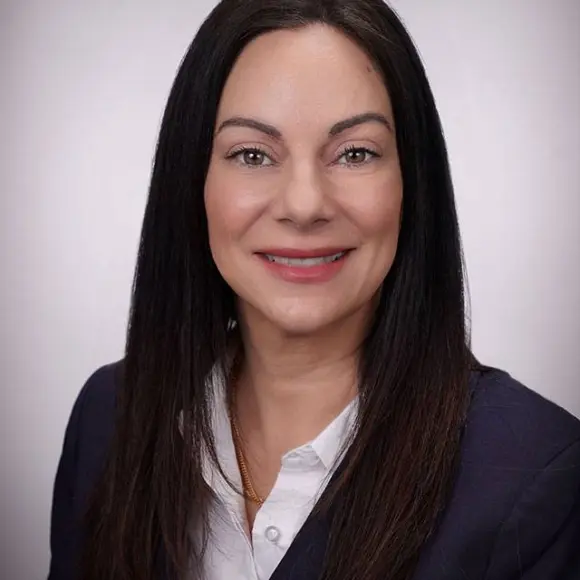
Deja Gilbert, PhD, LMHC, LPC, FACHE
President & Chief Executive Officer
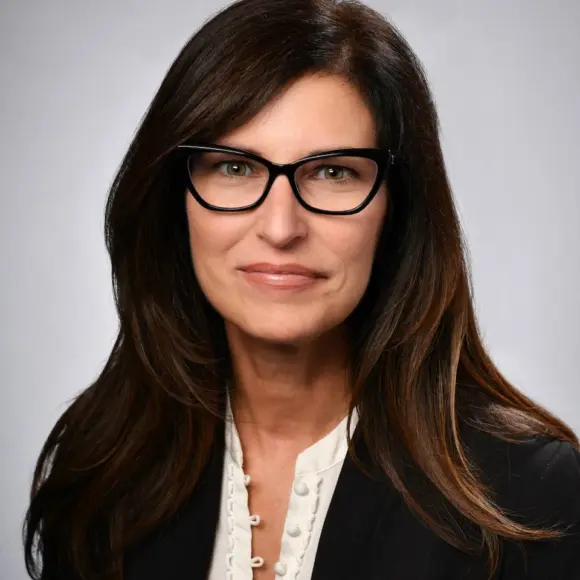
Patricia McKernan, DSW, LSW
Chief Operating Officer

Bhavani Raghavan, Lobo, Psy.D.
Chief Clinical Officer
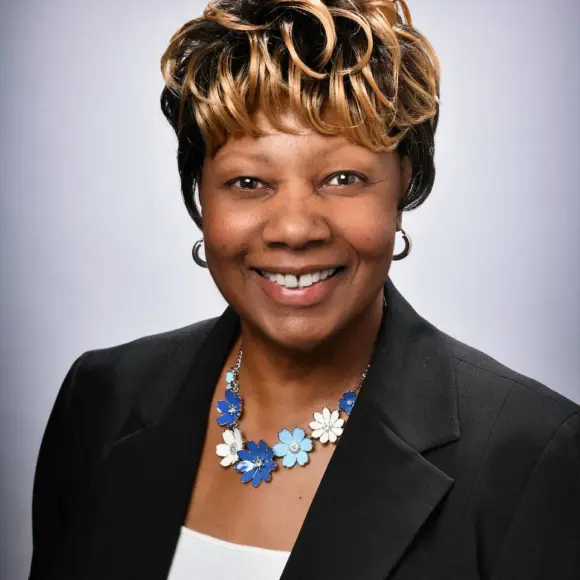
Florence Paige, MHS
Executive Director of Pennsylvania Region
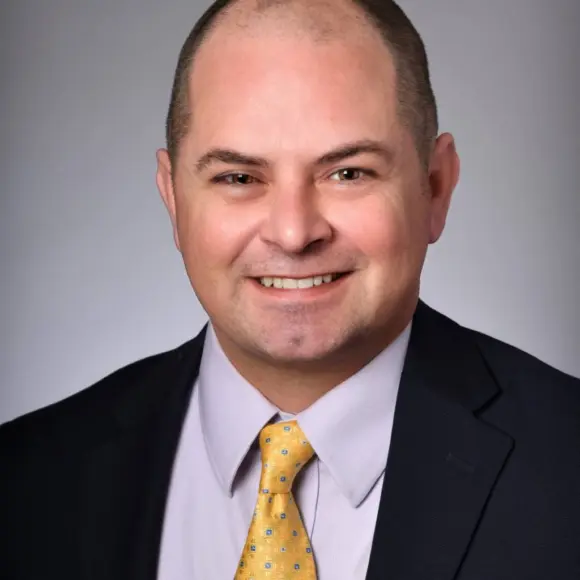
Philip Moore, D.O.
Corporate Medical Director

Aaron Harris
Program Director, West Chester House
Accreditations

The Commission on Accreditation of Rehabilitation Facilities (CARF) is a non-profit organization that specifically accredits rehab organizations. Founded in 1966, CARF's, mission is to help service providers like rehab facilities maintain high standards of care.
CARF Accreditation: Yes

The National Association of Addiction Treatment Providers (NAATP) is a professional association that represents organizations in the field of addiction services. Founded in 1978, NAATP's mission is to advance addiction services and ensure that high-quality addiction treatment is available and accessible.
NAATP Member: Yes
Rehab.com regularly reviews this listing for accuracy but changes may occur between updates. For the most up-to-date information, please contact Gaudenzia West Chester House.
Contact Information

1030 South Concord Road
Building 2
West Chester, PA 19382
Get Help Now - 267-450-9996
Sponsored Helpline
Sponsored Helpline



