Hawaii Island Recovery
1
Top 10 Rehab Centers In Kailua Kona



















































































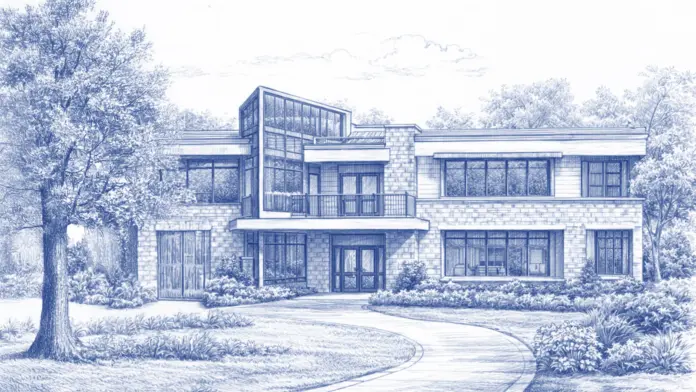
Hawaii Health and Harm Reduction Center is a community based harm reduction and substance use services provider in Honolulu, Hawaii offering outpatient support, telehealth and medication for opioid use disorder.
Their team provides low threshold clinical care alongside street level outreach, including syringe exchange, naloxone distribution, wound care and case management across multiple Hawaiian islands.
The center emphasizes meeting people where they are with dignity, practical support and peer led navigation for underserved communities.
The center provides outpatient and telehealth services, including buprenorphine induction for opioid use disorder at their Honolulu clinic.
Additional harm reduction programs include a statewide syringe exchange , free naloxone and overdose prevention training, HIV and Hepatitis C testing and linkage, wound care in clinic and outreach settings and food distribution.
Services are open to people who inject drugs, individuals impacted by HIV or hepatitis, transgender community members through the Kuaʻana Project peer navigation program, and at-risk or houseless LGBTQ youth via the Guide On The Side program. The center welcomes Native Hawaiian communities and anyone facing barriers related to substance use, mental health, homelessness, or poverty.
Outreach services including syringe exchange and wound care are provided at community locations across Oʻahu and on Kauaʻi, Maui and Hawaiʻi Island.
The center offers sliding scale payment assistance and collects copays for some medical services.
Many harm reduction programs are completely free, including syringe exchange, naloxone, wound care and food distribution.



 Our Methodology


Sliding scale payments are based on a client's income and family size. The goal is to make treatment affordable to everyone. By taking these factors into account, addiction recovery care providers help ensure that your treatment does not become a financial burden to you or your family, eliminating one barrier to care.
Clients receiving treatment in an outpatient rehab typically require less intensive support and supervision than do persons in inpatient care. Many have already completed inpatient programs and are weeks or months along in their recovery journey. Outpatient treatment generally involves the continuation of treatments begun in inpatient care, including addiction counseling and life skills development. Some outpatient programs also offer medication assisted treatment (MAT) for clients in opioid and/or alcohol recovery.
Telehealth in Hawaii is the use of communications technologies to deliver healthcare services from a distance. This may include primary medical care, mental health services, and substance use disorder treatment. Consult with your health care provider to determine if this option is suitable for your needs.
Alcohol use disorder (AUD), also called alcoholism, can be mild, moderate, or severe. Symptoms include being unable to limit alcohol consumption and feeling strong cravings to drink alcohol. Individuals with AUD may have tried to quit drinking but were unsuccessful. Typically, professional rehab in Hawaii is necessary to help individuals overcome alcohol addiction. This treatment provides the necessary evidence-based therapies, medication, and support for long-term recovery.
 Opioid Addiction
Drug rehab in Hawaii is for individuals suffering from substance use disorders. Treatment addresses the many issues involved with addiction, typically through a combination of medical and psychotherapy treatments.
In Hawaii, substance abuse treatment programs address addiction and co-occurring mental health conditions. Care levels include outpatient, inpatient, and partial hospitalization. Therapies like cognitive behavioral therapy, or dialectical behavioral therapy, equine therapy, mindfulness-based therapy, skills training, and recovery groups can help you to establish a solid recovery and develop a support system (or strengthen an existing one) to increase your chances of long-term recovery success.
During inpatient drug rehab treatment, mental health services play a central role in your plan of care. During your stay at the center, you are constantly monitored and supported by clinical staff and mental health professionals. Standard mental health therapies and treatments include group and individual counseling, cognitive behavioral therapy (CBT), dialectical behavioral therapy (DBT), and many others. Extra amenities, like recreational therapies, vary by facility.
In Hawaii, dual-diagnosis addiction treatment programs recognize the importance of treating substance use disorders and mental health conditions simultaneously. They offer various levels of care, depending on your needs. Treatment settings include detox, outpatient, residential rehab, and partial hospitalization options. Using a combination of evidence-based and holistic therapies, like cognitive behavioral therapy, or dialectical behavioral therapy, adventure therapy, and acupuncture, clinicians address substance use disorders and co-occurring disorders.
Recovery is most successful when clients feel accepted and validated by their peers and treatment providers. Facilities that offer LGBTQ-inclusive programming are committed to creating a safe space where everyone can grow and recover without fear of judgment or discrimination. They will have dedicated policies in place to create a safe and supportive environment that fosters free expression.
 Metropolitan Area
 Rehab.com regularly reviews this listing for accuracy but changes may occur between updates. For the most up-to-date information, please contact Hawaii Health & Harm Reduction Center.

677 Ala Moana Blvd #226, Honolulu, HI 96813
Sponsored Helpline


You need insurance to even be able to have an appointment. No way to pay out of pocket. Terrible business practice

They've all been very helpful. I read other reviews and don't see where they are getting those thoughts from.

 Back
Back
Sharing your insights and experiences can help others learn more about this rehab center.