






























































































What Hazelden did for me was showing me the path step by step to recovery. That was exactly what I needed, they taught me the basic stuff and also the most complex one and now here I am completely recovered.
About Hazelden Betty Ford Foundation
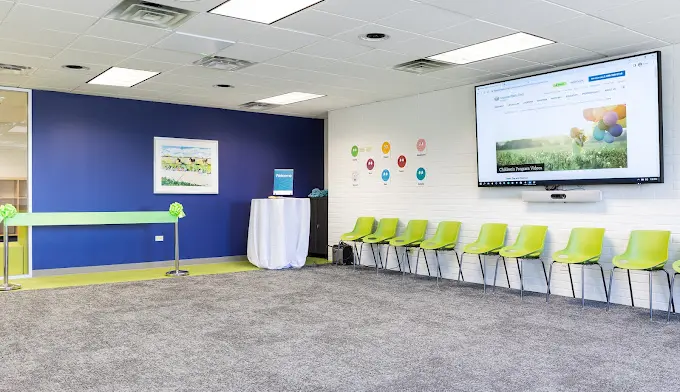
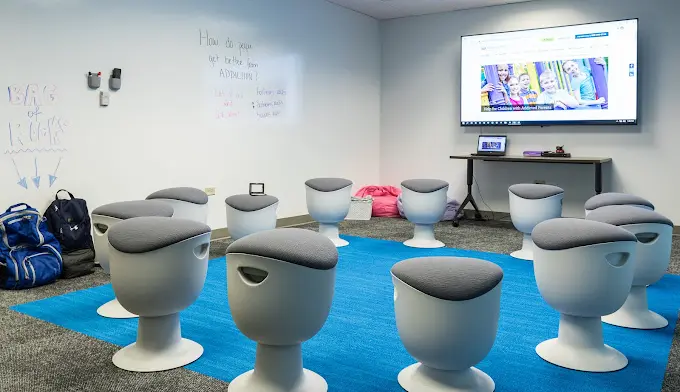
The outpatient program has a virtual option and an in-person option. The virtual program allows children and their caregivers to participate in support services through Zoom over a two-day period. The in-person program is for children to attend the group over several consecutive days. The goal of the children’s program is to help children understand that an adult’s addiction is not their fault. They will learn tools that support them in self-care.
Hazelden Betty Ford may accept a variety of insurance plans, such as Cigna, Humana, Blue Cross Blue Shield, Aetna, Amerigroup, Ambetter, United Healthcare, and more. Insurance plans vary, so be sure to verify coverage information and out of network benefits with the insurer.
Latest Reviews
If you have children who have been exposed to a parent with substance use disorders, this program is hands down the best program ever. My kiddo went there at 12 years old, although her dad has not been part of her life over the last four years, she has taken so much from this program. I love it and would and do recommend that anyone attend this program.
Thank you for helping me with my addiction and giving me the tools to succeed in my sobriety.
Reviewed on 02/26/2019
What Hazelden did for me was showing me the path step by step to recovery. That was exactly what I needed, they taught me the basic stuff and also the most complex one and now here I am completely recovered.

Rehab Score
 Our Methodology
Scoring is assigned by a proprietary system which helps surface key metrics that determine quality. The 10-point scale factors in categories such as operations, customer satisfaction, and trust metrics. Read Full Methodology

7.5 / 10
Gallery


Accepted Insurance
Other Forms of Payment
Self-pay involves paying for treatment out of your own pocket. You can use savings or credit, get a personal loan, or receive help from family and friends to fund your treatment. If you don't have insurance or your insurance plan doesn't cover a specific program, self-pay can help ensure you still get the care you need.
Private insurance refers to any kind of healthcare coverage that isn't from the state or federal government. This includes individual and family plans offered by an employer or purchased from the Insurance Marketplace. Every plan will have different requirements and out of pocket costs so be sure to get the full details before you start treatment.
Addiction Treatments
Levels of Care
Outpatient Programs (OP) are for those seeking mental rehab or drug rehab, but who also stay at home every night. The main difference between outpatient treatment (OP) and intensive outpatient treatment (IOP) lies in the amount of hours the patient spends at the facility. Most of the time an outpatient program is designed for someone who has completed an inpatient stay and is looking to continue their growth in recovery. Outpatient is not meant to be the starting point, it is commonly referred to as aftercare.
Clients engaged in a rehab aftercare program have completed active addiction treatment and are receiving services designed to promote their sustained sobriety. Drug rehab aftercare typically encompasses a wide variety of medical, mental health, and social services meant to facilitate clients' reintegration into their home, workplace, and community. Clients typically collaborate with their case manager and/or recovery team to identify and access the services they need, often including peer coaching, career counseling, and care referrals.
Treatments
Mental health rehabs focus on helping individuals recover from mental illnesses like bipolar disorder, clinical depression, anxiety disorders, schizophrenia, and more. Mental health professionals at these facilities are trained to understand and treat mental health issues, both in individual and group settings.
Programs
Adult rehab programs include therapies tailored to each client's specific needs, goals, and recovery progress. They are tailored to the specific challenges adult clients may face, including family and work pressures and commitments. From inpatient and residential treatment to various levels of outpatient services, there are many options available. Some facilities also help adults work through co-occurring conditions, like anxiety, that can accompany addiction.
Young adulthood can be an exciting, yet difficult, time of transition. Individuals in their late teens to mid-20s face unique stressors related to school, jobs, families, and social circles, which can lead to a rise in substance use. Rehab centers with dedicated young adult programs will include activities and amenities that cater to this age group, with an emphasis on specialized counseling, peer socialization, and ongoing aftercare.
Clinical Services
Research clearly demonstrates that recovery is far more successful and sustainable when loved ones like family members participate in rehab and substance abuse treatment. Genetic factors may be at play when it comes to drug and alcohol addiction, as well as mental health issues. Family dynamics often play a critical role in addiction triggers, and if properly educated, family members can be a strong source of support when it comes to rehabilitation.
Group therapy is any therapeutic work that happens in a group (not one-on-one). There are a number of different group therapy modalities, including support groups, experiential therapy, psycho-education, and more. Group therapy involves treatment as well as processing interaction between group members.
In individual therapy, a patient meets one-on-one with a trained psychologist or counselor. Therapy is a pivotal part of effective substance abuse treatment, as it often covers root causes of addiction, including challenges faced by the patient in their social, family, and work/school life.
Amenities
-
 Private Setting
Staff
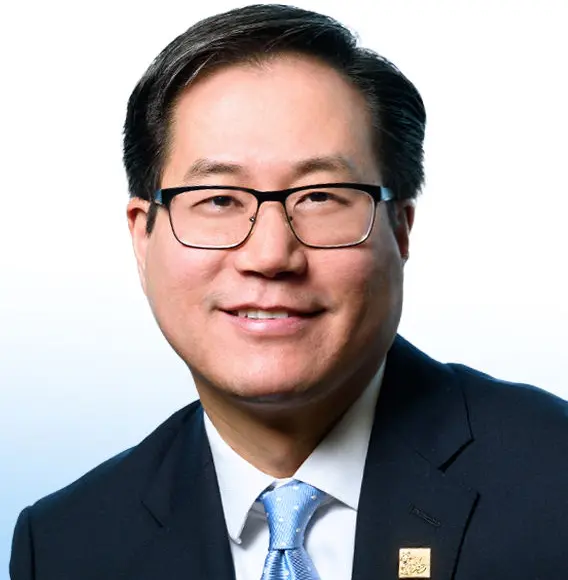
Joseph Lee, MD
President & Chief Executive Officer
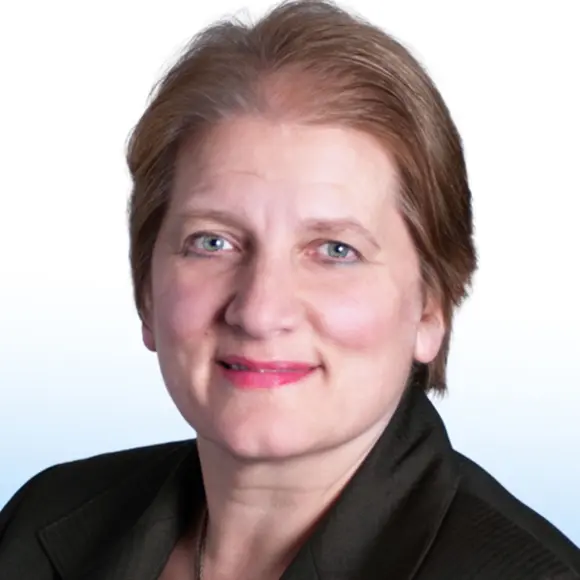
Dawne Carlson
Vice President of Human Resources
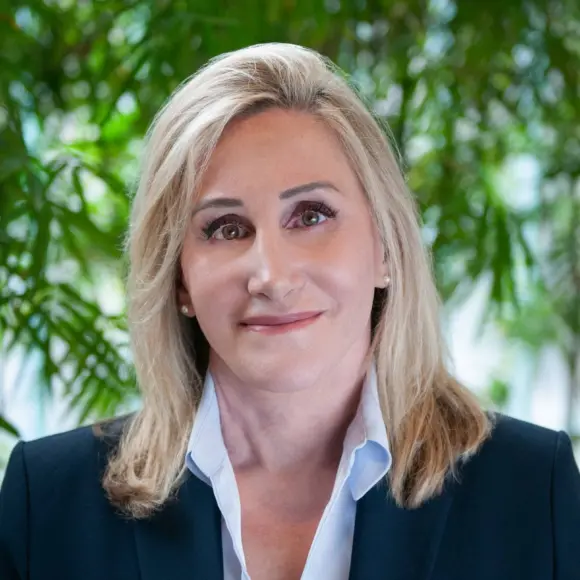
Alta DeRoo, MD, MBA, DFASAM, FACOG
Chief Medical Officer
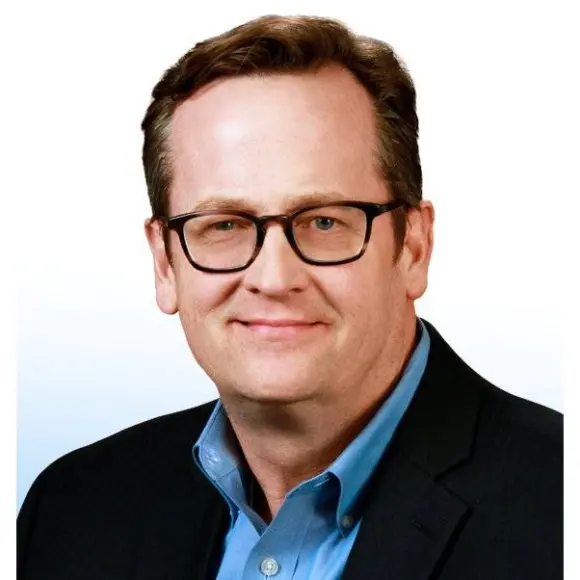
Joe Jaksha
Vice President & Publisher
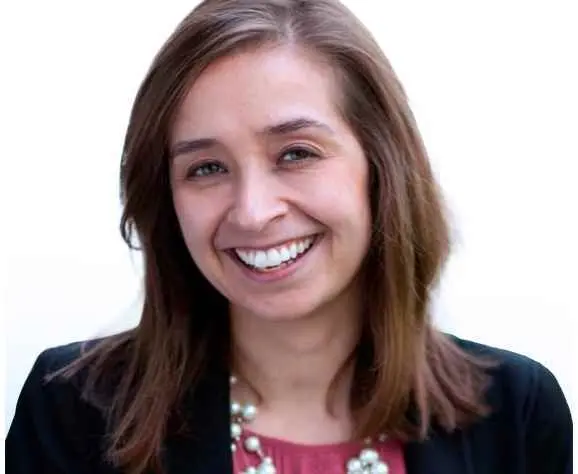
Carmen Rodriguez Johnson
Chief Marketing Officer
Rehab.com regularly reviews this listing for accuracy but changes may occur between updates. For the most up-to-date information, please contact Hazelden Betty Ford Foundation.
Contact Information

7000 E Belleview Ave
#200
Greenwood Village, CO 80111
Get Help Now - 720-918-6614
Sponsored Helpline
Sponsored Helpline



