










Tulip Hill Recovery
1
Top 10 Rehab Centers In Murfreesboro


















































































Hickory Grove Recovery offers a full continuum of evidence-based inpatient addiction treatment in Morrilton, Arkansas. Programs are personalized to treat a range of substance use disorders and co-occurring mental health conditions at their 75-bed facility in Central Arkansas just outside Little Rock.
They accept most major commercial insurance plans and offer payment options for any out-of-pocket costs. Admissions are available 24/7, and they are open to nicotine use on site.
I noticed that visitors are allowed, and you can bring your own snacks and beverages if you’d like.
Medical drug and alcohol detox takes place after a comprehensive assessment. Once your personalized detox plan is developed and treatment begins, you’ll be medically monitored around the clock.
If you’re a candidate for treatment with medication, you may be prescribed Suboxone, Subutex or Vivitrol.
Therapy can help you understand triggers and learn to build healthy habits. They offer individual, group and family therapy, as well as trauma-informed therapy, cognitive behavioral therapy and motivational interviewing.
I think it’s helpful that holistic options are incorporated into treatment with practices like art therapy, mindfulness and nutrition education.
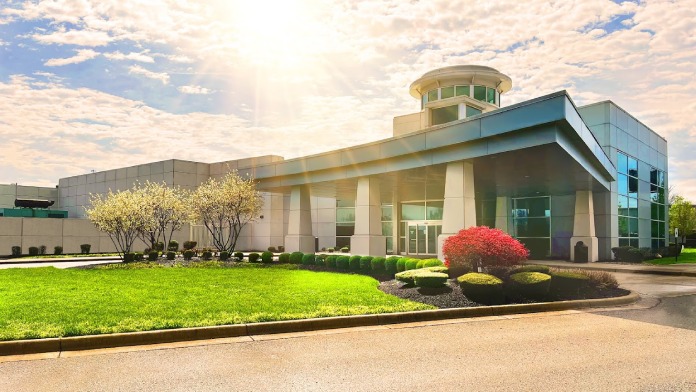
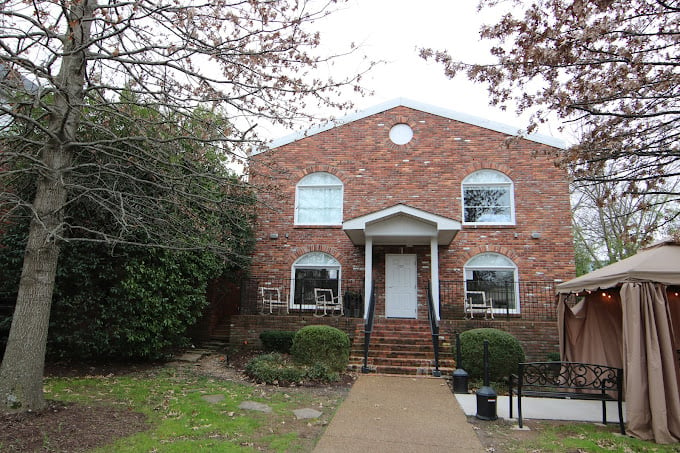
 75
 15 - 30

 Our Methodology


Private insurance refers to any kind of healthcare coverage that isn't from the state or federal government. This includes individual and family plans offered by an employer or purchased from the Insurance Marketplace. Every plan will have different requirements and out of pocket costs so be sure to get the full details before you start treatment.
Self-pay involves paying for treatment out of your own pocket. You can use savings or credit, get a personal loan, or receive help from family and friends to fund your treatment. If you don't have insurance or your insurance plan doesn't cover a specific program, self-pay can help ensure you still get the care you need.
The process of a medically assisted detox is when all addictive substances are removed from your body. Usually performed in an inpatient setting, you are under the 24/7 care of licensed medical medical professionals who keep you safe and comfortable during the detoxification. Medications are often administered to help alleviate potential withdrawal symptoms.The process can vary in length, but it typically takes 5-7 days.
Clients undergoing treatment at an inpatient rehab receive extensive therapeutic support through daily addiction counseling and recovery-focused services. These often include addiction education and life skills training. Many inpatient facilities also offer evidence-based holistic therapies, such as massage, yoga, acupuncture, creative arts therapy, and experiential therapy. Inpatient care is typically best suited for clients who recently completed detox, are in early recovery, or at a heightened risk of relapse.
Clients in addiction recovery typically require robust, ongoing support, which rehab aftercare programs are designed to provide. These programs are premised on the idea that clients' mental, emotional, physical, social, and financial wellbeing is essential to recovery. Clients collaborate with their case managers and addiction recovery team to identify the rehab aftercare services they will need to thrive while in recovery. Clients may receive peer coaching, career counseling, and 12 step program induction, among other services.
12 step programs are designed to foster participants' recovery through spiritual development, promoting healing in mind, body, and spirit. Participants engage in 12 step meetings, which are free, anonymous, and accessible daily, including evening, night, and weekend group sessions. Participants also self-select a sponsor to support them throughout their recovery journey. Though rooted in spiritual principles, participants do not have to be religiously-affiliated. Specialized formats, including gender and age-specific ones, are available.
Alcoholism (alcohol use disorder) affects a person mentally, physically, and relationally. A person with alcohol dependence craves alcohol and has an impaired ability to control their alcohol consumption. They experience withdrawal symptoms if they stop alcohol use. Individuals with this condition can achieve recovery through treatment. Alcohol rehab in Arkansas offers inpatient and outpatient options that provide counseling, support groups, and medication to help individuals overcome alcohol addiction and maintain recovery.
 Opioid Addiction
In Arkansas, substance abuse treatment programs can help you overcome drug and alcohol addiction. These comprehensive programs offer various levels of care and evidence-based therapies like cognitive-behavioral therapy (CBT), dialectical behavior therapy (DBT), and eye movement desensitization and reprocessing (EMDR). The programs effectively address substance abuse and any co-occurring disorders.
Arkansas offers dual-diagnosis addiction treatment programs for individuals with mental health and substance use disorders. These specialized drug and alcohol rehab programs provide various levels of care, including outpatient, inpatient, and partial hospitalization programs. Using evidence-based therapies, like cognitive-behavioral therapy (CBT), dialectical behavior therapy (DBT), or eye movement desensitization and reprocessing (EMDR), a team of addiction and medical experts can effectively address substance use and co-occurring disorders while enhancing your coping and relapse prevention skills.
Addiction treatment includes a heavy focus on mental health during your inpatient program. No matter the type of facility you choose - hospitals, clinics, or luxurious, hotel-like facilities - they all provide 24-hour care in a safe environment with mental health therapists and clinical staff. Mental health services include various treatment options, including individual and group counseling, addiction and relapse prevention education, and coping skills training. Additional offerings like family therapy, recreational opportunities, yoga, or mindfulness training may be available.
 Mental Health And Substance Abuse
The goal of drug rehab in Arkansas is to help individuals stop using addictive substances and learn healthy ways to remain clean long-term. Participants learn vital skills to cope with cravings and manage stress, to prevent relapse.
Men face specific challenges and concerns when seeking addiction treatment. Gender-specific recovery programs help them tackle these issues head-on in an environment that's focused, targeted, and distraction-free. It also gives them the opportunity to connect with and learn from other men who have been through a similar journey and can offer support for the next step.
Rehabs for women provide a safe, nurturing space for female clients to heal. These treatment programs consider the specific obstacles that women can face during recovery and place a special emphasis on mental, social, physical, and reproductive health. They explore how each woman's experience has shaped the trajectory of their substance use, addressing issues such as sexual abuse and past trauma.
Adult rehab programs include therapies tailored to each client's specific needs, goals, and recovery progress. They are tailored to the specific challenges adult clients may face, including family and work pressures and commitments. From inpatient and residential treatment to various levels of outpatient services, there are many options available. Some facilities also help adults work through co-occurring conditions, like anxiety, that can accompany addiction.
One of the most common types of psychotherapy, cognitive behavioral therapy in Arkansas is an effective tool for the treatment of substance use disorder. It is a common therapeutic method that is used to treat a variety of mental and behavioral health challenges.
Developed in the 1970s, dialectical behavior therapy (DBT) is a type of psychotherapy based in cognitive behavior therapy. DBT is designed specifically to help people who experience emotions intensely. It is used to treat substance use disorder, anxiety, and depression, among other mental health disorders.
Individual therapy gives men and women in Arkansas the chance to engage in one on one therapy sessions that focus on identifying personal triggers and high risk situations for drug and alcohol addiction. Your therapist works together with you to develop coping strategies and build resilience that promotes sustainable recovery.
Group therapy offers men and women the opportunity to learn essential coping skills from their peers who have practiced these skills in the community. You learn new communication techniques and relapse prevention strategies that promote sobriety and sustainable recovery.
Families in Arkansas use family therapy to enhance communication and understand the effect that addiction has on family members. The goal is to help members identify and modify negative behaviors and create a more cohesive and supportive environment that is conducive to recovery.
The goal of trauma therapy is to address the lingering mental, emotional, and physical lingering effects of a traumatic event. Your therapist helps you process this trauma and build resilience to face future challenges.
Developing life skills while undergoing rehab treatment in Arkansas is a crucial part of your recovery. During treatment, you may focus on learning communication skills, critical thinking skills, problem solving, self awareness, assertiveness, and coping skills.
Motivational interviewing is a conversational approach to treatment. It helps you express your desire for change, reflect on any ambivalence you're feeling about change, and plan for the next steps to make the changes you desire.
 Residential Setting

The Joint Commission, formerly known as JCAHO, is a nonprofit organization that accredits rehab organizations and programs. Founded in 1951, the Joint Commision's mission is to improve the quality of patient care and demonstrating the quality of patient care.
Joint Commission Accreditation: Yes

State Licenses are permits issued by government agencies that allow rehab organizations to conduct business legally within a certain geographical area. Typically, the kind of program a rehab facility offers, along with its physical location, determines which licenses are required to operate legally.
State License: Arkansas
Rehab.com regularly reviews this listing for accuracy but changes may occur between updates. For the most up-to-date information, please contact Hickory Grove Recovery.

12 Hospital Dr, Morrilton, AR 72110
Sponsored Helpline

Hickory Grove recovery save mine and my husband's life. My patient navigator Britney was very helpful, also Mrs.Danielle who is my group facilitator, and my therapist Chloe were absolutely wonderful. The staff here are absolutely amazing and I would recommend Hickory Grove recovery to anyone out there looking to get sober and start their road to recovery.❤️❤️❤️❤️❤️

First off read all policy’s because I came there with a plan and they made it to be as a joke . Terrance is great and a couple of the staff but 60% of them don’t give a shit about you . I ate better in prison and was treated better then I was when I was there 6 days no phone calls no cold water had raw chicken so much more to put but just know if it wasn’t for Terrance that place would be out of business

Hickory Grove recovery is one of the greatest Center that I’ve ever been to in my life… I came there broken and left feeling much better about myself. Their state of the art service, great food, and genuine people who really care is unforgettable to me. I would recommend this place to anyone!

This place saved my life . 5th time to treatment but i discovered the scientificly what it does to the body plus loosing my husband due to the affects of drugs is my motivator to staying clean bc i changed everything around me and centeted my life on GOD. THANK U GOD AND HICKORY GROVE STAFF..
 Back
Sharing your insights and experiences can help others learn more about this rehab center.
 Written By: Stephanie Trahd

