





























































































About Horizon House
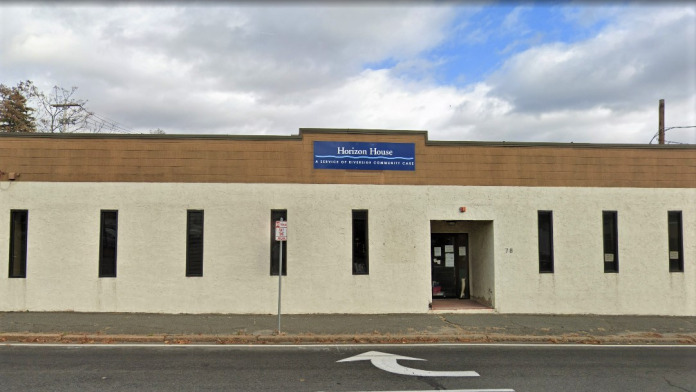
Horizon House is a recovery and employment center in Wakefield, Massachusetts. They serve adults struggling with mental health conditions and co-occurring substance use disorders. You can participate in their 12 Step dual recovery program to work on your journey.
Their programs focus on helping you gain independence through various services. You can access education, housing, employment, health and wellness and social opportunities.
Smoking Cessation Program
One thing that stood out to me is that they offer smoking cessation assistance. Smoking can be just as detrimental to your health as drugs and alcohol. You can access ongoing support to address the underlying behaviors contributing to nicotine addiction.
An Emphasis on Wellness
I also think their emphasis on wellness is beneficial. Their wellness center offers assistance that helps you improve your physical and mental health. You can get help with finding and accessing medical, psychiatric and dental services.
They also provide affordable healthy meals and health and wellness planning services.
Latest Reviews



Rehab Score
 Our Methodology


Gallery
Addiction Treatments
Levels of Care
Outpatient Programs (OP) are for those seeking mental rehab or drug rehab, but who also stay at home every night. The main difference between outpatient treatment (OP) and intensive outpatient treatment (IOP) lies in the amount of hours the patient spends at the facility. Most of the time an outpatient program is designed for someone who has completed an inpatient stay and is looking to continue their growth in recovery. Outpatient is not meant to be the starting point, it is commonly referred to as aftercare.
Residential treatment programs are those that offer housing and meals in addition to substance abuse treatment. Rehab facilities that offer residential treatment allow patients to focus solely on recovery, in an environment totally separate from their lives. Some rehab centers specialize in short-term residential treatment (a few days to a week or two), while others solely provide treatment on a long-term basis (several weeks to months). Some offer both, and tailor treatment to the patient's individual requirements.
Treatments
A combined mental health and substance abuse rehab has the staff and resources available to handle individuals with both mental health and substance abuse issues. It can be challenging to determine where a specific symptom stems from (a mental health issue or an issue related to substance abuse), so mental health and substance abuse professionals are helpful in detangling symptoms and keeping treatment on track.
Programs
Adult rehab programs include therapies tailored to each client's specific needs, goals, and recovery progress. They are tailored to the specific challenges adult clients may face, including family and work pressures and commitments. From inpatient and residential treatment to various levels of outpatient services, there are many options available. Some facilities also help adults work through co-occurring conditions, like anxiety, that can accompany addiction.
Clinical Services
Group therapy is any therapeutic work that happens in a group (not one-on-one). There are a number of different group therapy modalities, including support groups, experiential therapy, psycho-education, and more. Group therapy involves treatment as well as processing interaction between group members.
Life skills trainings involve all the skills a person must have in order to function successfully in the world. These include time management, career guidance, money management, and effective communication. Truly successful addiction recovery is based on the ability to not only live substance-free, but to thrive. Life skills teaches the practical necessities of functioning in society, which sets clients up for success in life, and therefore sobriety.
Rehab.com regularly reviews this listing for accuracy but changes may occur between updates. For the most up-to-date information, please contact Horizon House.
Contact Information


78 Water Street
Wakefield, MA 01880
Sponsored Helpline



