





























































































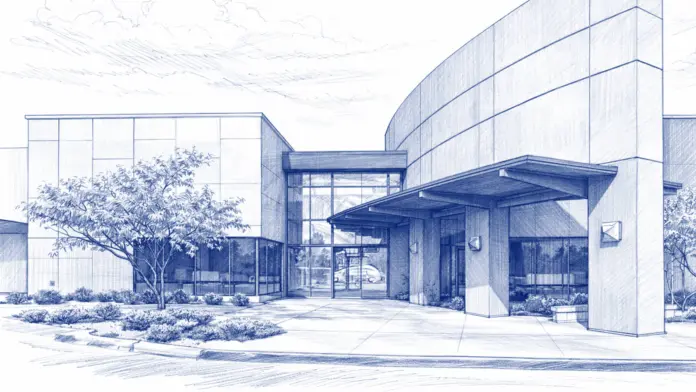
About Inspiration Health
Inspiration Health is a substance use treatment provider in Norfolk, Virginia offering outpatient and telehealth based addiction care for adults.
The team provides intensive outpatient and outpatient programs, medication assisted treatment and support for co-occurring mental health conditions.
Clients appreciate the patient focused model that balances in person and virtual options to fit their needs.
What kinds of addiction care are provided?
Inspiration Health provides outpatient and intensive outpatient programs, along with telehealth services for virtual care.
Treatment includes medication assisted treatment options such as Suboxone and Vivitrol, plus therapies like cognitive behavioral therapy, motivational interviewing and holistic approaches including mindfulness and stress management.
Who can get help here?
The program serves adults ages 18 and older including young adults, men and women.
Inspiration Health also offers gender specific tracks and specialized programming for veterans and first responders, with bilingual staff providing services in English and Spanish.
What does Inspiration Health treat?
Inspiration Health treats addictions to alcohol, opioids and other substances.
Their programs also address co-occurring mental health conditions, taking a holistic approach for clients with dual diagnoses.
Where is the center located?
Inspiration Health is located at 1711 Church St Suite B in Norfolk, Virginia and also offers virtual treatment options for clients who prefer remote care.
Do they take insurance?
Inspiration Health accepts most major insurance plans and will help you verify your benefits. Self pay options and flexible payment plans are also available for those without insurance.
Latest Reviews



Rehab Score
 Our Methodology


Location
Other Forms of Payment
Self-pay involves paying for treatment out of your own pocket. You can use savings or credit, get a personal loan, or receive help from family and friends to fund your treatment. If you don't have insurance or your insurance plan doesn't cover a specific program, self-pay can help ensure you still get the care you need.
Addiction Treatments
Levels of Care
Clients in an intensive outpatient rehab (IOP) benefit from robust support but often do not require the high-level supervision and round-the-clock clinical care provided in an inpatient setting. Clients engage in multiple therapeutic sessions weekly, with most programs requiring between nine and 20 treatment hours per week. Intensive outpatient rehabs provide a wide array of evidence-based services, including addiction counseling, recovery-focused life skills training, holistic therapies, and medication assisted treatment (MAT).
Outpatient rehabs offer community-based addiction treatment, enabling clients to remain in their homes while in recovery. Their levels of care typically include partial hospitalization (PHP), intensive outpatient (IOP), standard outpatient, and sober living programming. Most outpatient facilities offer addiction counseling and recovery-focused life skills training. Integrative programs include evidence-based holistic therapies, such as meditation, music therapy, and massage. Facilities specializing in alcohol and/or opioid addiction may also provide medication assisted treatment (MAT).
Thanks to telehealth, you can now receive treatment from the comfort of your own home. Using your mobile device, you can consult with a physician, psychiatrist, or other healthcare provider, get a prescription, or receive other forms of treatment.
Treatments
Alcohol use disorder, which is often used interchangeably with the term alcoholism, is a chronic, relapsing condition. While it is characterized by harmful patterns of alcohol use and physical dependence on the substance, the condition can be managed and treated. Effective alcohol rehab in Virginia is available in a variety of formats, including inpatient, outpatient, medication-assisted therapy, and mutual-support groups.
 Opioid Addiction
When you enroll in drug rehab in Virginia, a treatment plan is designed by professional staff in order to help you overcome drug addiction and modify addictive behaviors. This may include evidence-based treatments, group and individual therapy, and relapse prevention.
Virginia provides substance abuse treatment for individuals struggling with addiction and co-occurring mental health disorders. These programs incorporate evidence-based therapies such as cognitive-behavioral therapy (CBT), dialectical behavior therapy (DBT), and trauma-informed care. With a variety of treatment options available, including outpatient, inpatient, and residential programs, you can find personalized care to support you in achieving sobriety and learning the skills to maintain long-term recovery.
Dual diagnosis treatment is a specialized form of rehab where you receive care for both a substance use disorder and a mental health disorder at the same time. You're provided access to medical staff and mental health experts throughout the program. Additionally, mental health services tend to include multiple forms of therapy, including individual therapy, group counseling, relapse prevention education, and cognitive behavioral therapy (CBT).
In Virginia, dual-diagnosis addiction treatment programs focus on providing integrated care for individuals with co-occurring substance use disorders and mental health conditions. Specialized programs offer medically monitored detox, outpatient, inpatient, and partial hospitalization. Therapies such as cognitive-behavioral therapy (CBT), dialectical behavior therapy (DBT), trauma-informed therapy, and family therapy help to address both disorders simultaneously while promoting mental health and well-being.
Programs
Adult rehab programs include therapies tailored to each client's specific needs, goals, and recovery progress. They are tailored to the specific challenges adult clients may face, including family and work pressures and commitments. From inpatient and residential treatment to various levels of outpatient services, there are many options available. Some facilities also help adults work through co-occurring conditions, like anxiety, that can accompany addiction.
Serving in the military is both mentally and physically challenging, and can result in trauma that persists even after combat ends. Military programs are tailored to the specific and often complex needs of active duty personnel, veterans, and military families. Clients often access these programs through the U.S. Department of Veterans Affairs (VA).
Clinical Services
Cognitive behavioral therapy in Virginia is a short term form of talk therapy. Participants usually have homework between sessions, which may include journaling, self talk, and setting SMART goals. The aim is to transform negative thought patterns into positive ones.
Motivational interviewing in Virginia allows clients to examine their lives and consider their options. It is particularly useful if the client lacks confidence in their ability to change or is feeling uncertain about their desire to change.
Rehab.com regularly reviews this listing for accuracy but changes may occur between updates. For the most up-to-date information, please contact Inspiration Health.
Contact Information


1711 Church St Suite B, Norfolk, VA 23504
Sponsored Helpline


