





























































































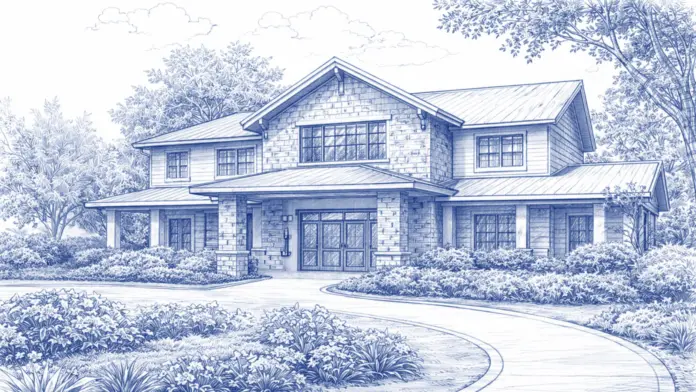
About JBRI Outpatient Services
JBRI Outpatient Services is a substance use treatment program in Norfolk, Virginia providing outpatient care for adolescents and young adults facing addiction and cooccurring mental health challenges.
The facility offers regular outpatient and intensive outpatient programs designed to meet clients where they are in recovery.
The team uses evidence based trauma informed methods to support lasting change for individuals and families.
Outpatient Addiction Treatment Programs at JBRI Outpatient Services
Clients may begin with an assessment to determine the most appropriate level of care, whether regular outpatient treatment or a more structured intensive outpatient program (IOP). Both options allow individuals to receive clinical support while maintaining daily responsibilities at home, school, or work.
Treatment includes individual, group, and family counseling, along with specialized services for DUI/DWI clients. Therapeutic approaches include cognitive behavioral therapy, motivational interviewing, trauma-related counseling, 12-step facilitation, and relapse prevention. Telehealth therapy is also available for added flexibility.
Key Details
- Location: Norfolk on North Center Drive near the Hampton Roads area
- Levels of care: Regular outpatient and intensive outpatient programs
- Treatment approach: CBT, motivational interviewing, trauma informed care and family involvement
- Payment options: Medicaid, Medicare, TRICARE, private insurance, self pay and SAMHSA block grants
- Accreditation: CARF accredited and licensed by state agencies
- Aftercare: Discharge planning and outcome follow-up after treatment

Rehab Score
 Our Methodology


Location
Other Forms of Payment
Medicaid is a state based program that helps lower-income individuals and families pay for healthcare. Medicaid covers addiction treatment so those enrolled can use their coverage to pay for rehab. When a program accepts Medicaid the client often pays very little or nothing out of their own pocket.
Medicare is a federal program that provides health insurance for those 65 and older. It also serves people under 65 with chronic and disabling health challenges. To use Medicare for addiction treatment you need to find a program that accepts Medicare and is in network with your plan. Out of pocket costs and preauthorization requirements vary, so always check with your provider.
Military members, veterans, and eligible dependents have access to specific insurance programs that help them get the care they need. TRICARE and VA insurance can help you access low cost or no cost addiction and mental health treatment. Programs that accept military insurance often have targeted treatment focused on the unique challenges military members, veterans, and their families face.
Private insurance refers to any kind of healthcare coverage that isn't from the state or federal government. This includes individual and family plans offered by an employer or purchased from the Insurance Marketplace. Every plan will have different requirements and out of pocket costs so be sure to get the full details before you start treatment.
Self-pay involves paying for treatment out of your own pocket. You can use savings or credit, get a personal loan, or receive help from family and friends to fund your treatment. If you don't have insurance or your insurance plan doesn't cover a specific program, self-pay can help ensure you still get the care you need.
Addiction Treatments
Levels of Care
Clients in an intensive outpatient rehab (IOP) benefit from robust support but often do not require the high-level supervision and round-the-clock clinical care provided in an inpatient setting. Clients engage in multiple therapeutic sessions weekly, with most programs requiring between nine and 20 treatment hours per week. Intensive outpatient rehabs provide a wide array of evidence-based services, including addiction counseling, recovery-focused life skills training, holistic therapies, and medication assisted treatment (MAT).
Outpatient rehabs offer community-based addiction treatment, enabling clients to remain in their homes while in recovery. Their levels of care typically include partial hospitalization (PHP), intensive outpatient (IOP), standard outpatient, and sober living programming. Most outpatient facilities offer addiction counseling and recovery-focused life skills training. Integrative programs include evidence-based holistic therapies, such as meditation, music therapy, and massage. Facilities specializing in alcohol and/or opioid addiction may also provide medication assisted treatment (MAT).
Thanks to telehealth, you can now receive treatment from the comfort of your own home. Using your mobile device, you can consult with a physician, psychiatrist, or other healthcare provider, get a prescription, or receive other forms of treatment.
Treatments
Alcohol use disorder, which is often used interchangeably with the term alcoholism, is a chronic, relapsing condition. While it is characterized by harmful patterns of alcohol use and physical dependence on the substance, the condition can be managed and treated. Effective alcohol rehab in Virginia is available in a variety of formats, including inpatient, outpatient, medication-assisted therapy, and mutual-support groups.
 Opioid Addiction
When you enroll in drug rehab in Virginia, a treatment plan is designed by professional staff in order to help you overcome drug addiction and modify addictive behaviors. This may include evidence-based treatments, group and individual therapy, and relapse prevention.
Virginia provides substance abuse treatment for individuals struggling with addiction and co-occurring mental health disorders. These programs incorporate evidence-based therapies such as cognitive-behavioral therapy (CBT), dialectical behavior therapy (DBT), and trauma-informed care. With a variety of treatment options available, including outpatient, inpatient, and residential programs, you can find personalized care to support you in achieving sobriety and learning the skills to maintain long-term recovery.
Dual diagnosis treatment is a specialized form of rehab where you receive care for both a substance use disorder and a mental health disorder at the same time. You're provided access to medical staff and mental health experts throughout the program. Additionally, mental health services tend to include multiple forms of therapy, including individual therapy, group counseling, relapse prevention education, and cognitive behavioral therapy (CBT).
In Virginia, dual-diagnosis addiction treatment programs focus on providing integrated care for individuals with co-occurring substance use disorders and mental health conditions. Specialized programs offer medically monitored detox, outpatient, inpatient, and partial hospitalization. Therapies such as cognitive-behavioral therapy (CBT), dialectical behavior therapy (DBT), trauma-informed therapy, and family therapy help to address both disorders simultaneously while promoting mental health and well-being.
Programs
Teen programs are designed to address the unique pressures teens face, pressures that can drive them to experiment with dangerous, addictive substances. They need programs that meet them exactly where they are and give them tools for long-term recovery. Therapy can help teenagers understand and work through underlying issues so they can reclaim the life ahead of them.
Adult rehab programs include therapies tailored to each client's specific needs, goals, and recovery progress. They are tailored to the specific challenges adult clients may face, including family and work pressures and commitments. From inpatient and residential treatment to various levels of outpatient services, there are many options available. Some facilities also help adults work through co-occurring conditions, like anxiety, that can accompany addiction.
Clinical Services
Cognitive behavioral therapy in Virginia is a short term form of talk therapy. Participants usually have homework between sessions, which may include journaling, self talk, and setting SMART goals. The aim is to transform negative thought patterns into positive ones.
When men and women in Virginia participate in group therapy sessions, they learn to freely express their emotions in a non judgmental setting. This helps you process your feelings and begin to understand the link between your thoughts, feelings, and behaviors that are associated with addictive behavior.
Men and women in Virginia use individual therapy to focus on addiction related challenges as a necessary part of their drug and alcohol addiction treatment. Your therapist guides you in developing coping strategies, setting realistic goals, and building a strong foundation for an improved quality of life.
Motivational interviewing in Virginia allows clients to examine their lives and consider their options. It is particularly useful if the client lacks confidence in their ability to change or is feeling uncertain about their desire to change.
Trauma therapy helps you understand and manage the emotional and physical responses that often follow witnessing or experiencing traumatic events. Using therapeutic interventions, your therapist works with you to reframe that experience, which in turn reduces your anxiety and helps you regain control over your life.
Accreditations

State Licenses are permits issued by government agencies that allow rehab organizations to conduct business legally within a certain geographical area. Typically, the kind of program a rehab facility offers, along with its physical location, determines which licenses are required to operate legally.
State License: Virginia

The Commission on Accreditation of Rehabilitation Facilities (CARF) is a non-profit organization that specifically accredits rehab organizations. Founded in 1966, CARF's, mission is to help service providers like rehab facilities maintain high standards of care.
CARF Accreditation: Yes
Rehab.com regularly reviews this listing for accuracy but changes may occur between updates. For the most up-to-date information, please contact JBRI Outpatient Services.
Contact Information


6330 N Center Dr Building 13 Suites 141 & 143, Norfolk, VA 23502
Sponsored Helpline
