





























































































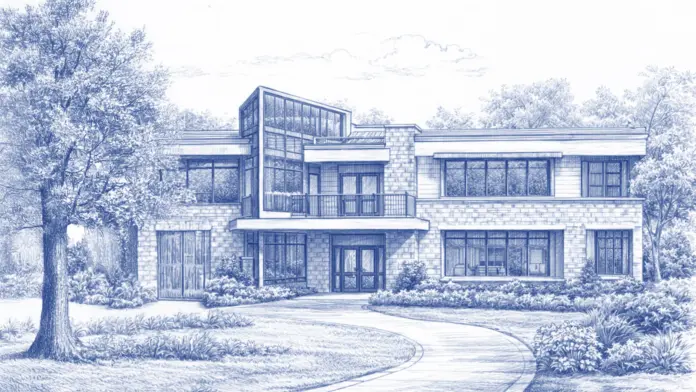
About KISRA – Kanawha Institute for Social Research & Action
KISRA, the Kanawha Institute for Social Research & Action, is a Dunbar-based nonprofit providing community-rooted behavioral health and recovery support across Kanawha County, West Virginia.
Through its KISRA Cares Community Engagement Specialist program, the organization serves adults living with serious mental illness and substance use challenges, offering outpatient care coordination, crisis intervention and wellness activities.
For more than 30 years, KISRA has worked to strengthen West Virginia families through a faith-motivated mission focused on stabilization, dignity and lasting change.
Community Based Recovery Support in Kanawha County
KISRA’s core specialty is care coordination for adults facing co-occurring mental illness, substance use and instability.
Community Engagement Specialists provide personalized outreach, helping clients connect to housing, transportation, medications, doctor appointments and social support.
Rather than a traditional rehab campus, KISRA Cares delivers prevention, early intervention, rehabilitation and recovery support directly within the community.
Success stories highlight clients who have achieved sobriety, secured stable housing and rebuilt their lives through this practical, relationship driven model.
Outreach and Stabilization Through the HEAL Framework
KISRA’s broader Health, Employment, Asset Development, and Learning framework shapes its recovery approach, addressing the full picture of family and individual well-being.
Outreach extends into community sites, ministries, and the Kanawha Day Report Center, meeting people where they are with engagement, encouragement and connection to resources.
The organization accepts Medicaid, Medicare, and self-pay options.
Latest Reviews



Rehab Score
 Our Methodology


Gallery
Other Forms of Payment
Self-pay involves paying for treatment out of your own pocket. You can use savings or credit, get a personal loan, or receive help from family and friends to fund your treatment. If you don't have insurance or your insurance plan doesn't cover a specific program, self-pay can help ensure you still get the care you need.
Medicaid is a state based program that helps lower-income individuals and families pay for healthcare. Medicaid covers addiction treatment so those enrolled can use their coverage to pay for rehab. When a program accepts Medicaid the client often pays very little or nothing out of their own pocket.
Medicare is a federal program that provides health insurance for those 65 and older. It also serves people under 65 with chronic and disabling health challenges. To use Medicare for addiction treatment you need to find a program that accepts Medicare and is in network with your plan. Out of pocket costs and preauthorization requirements vary, so always check with your provider.
Addiction Treatments
Levels of Care
Outpatient Programs (OP) are for those seeking mental rehab or drug rehab, but who also stay at home every night. The main difference between outpatient treatment (OP) and intensive outpatient treatment (IOP) lies in the amount of hours the patient spends at the facility. Most of the time an outpatient program is designed for someone who has completed an inpatient stay and is looking to continue their growth in recovery. Outpatient is not meant to be the starting point, it is commonly referred to as aftercare.
Treatments
Mental health rehabs focus on helping individuals recover from mental illnesses like bipolar disorder, clinical depression, anxiety disorders, schizophrenia, and more. Mental health professionals at these facilities are trained to understand and treat mental health issues, both in individual and group settings.
Programs
Adult rehab programs include therapies tailored to each client's specific needs, goals, and recovery progress. They are tailored to the specific challenges adult clients may face, including family and work pressures and commitments. From inpatient and residential treatment to various levels of outpatient services, there are many options available. Some facilities also help adults work through co-occurring conditions, like anxiety, that can accompany addiction.
Young adulthood can be an exciting, yet difficult, time of transition. Individuals in their late teens to mid-20s face unique stressors related to school, jobs, families, and social circles, which can lead to a rise in substance use. Rehab centers with dedicated young adult programs will include activities and amenities that cater to this age group, with an emphasis on specialized counseling, peer socialization, and ongoing aftercare.
Clinical Services
In individual therapy, a patient meets one-on-one with a trained psychologist or counselor. Therapy is a pivotal part of effective substance abuse treatment, as it often covers root causes of addiction, including challenges faced by the patient in their social, family, and work/school life.
Life skills trainings involve all the skills a person must have in order to function successfully in the world. These include time management, career guidance, money management, and effective communication. Truly successful addiction recovery is based on the ability to not only live substance-free, but to thrive. Life skills teaches the practical necessities of functioning in society, which sets clients up for success in life, and therefore sobriety.
Amenities
-
 Residential Setting
 -
 Private Setting
Staff
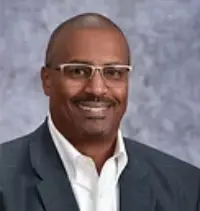
Clinton B. Arnold
CEO

Freda Feazell
Operations Manager

Susan Graves
CFO

Sherry Jackson
Community Engagement, Specialist & Manager
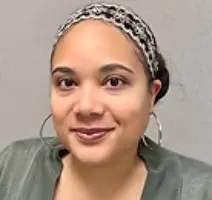
Kelli Batch
Program Manager

Doris Aldridge
Community Engagement Specialist & Manager
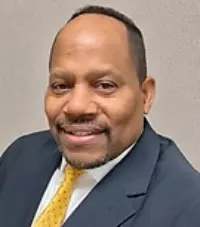
Chris Overstreet
Program Manager
Rehab.com regularly reviews this listing for accuracy but changes may occur between updates. For the most up-to-date information, please contact KISRA – Kanawha Institute for Social Research & Action.
Contact Information


131 Perkins Avenue
Dunbar, WV 25064
Sponsored Helpline


