





























































































About Lake Geauga Recovery Centers
Lake Geauga Recovery Centers is a private, non profit outpatient addiction treatment and prevention agency certified by OhioMHAS, serving residents of Lake and Geauga Counties in Ohio.
LGRC provides a broad continuum of care including individual, group and family counseling and diagnostic assessment, case management and medication assisted treatment for substance use and mental health concerns.
With a community rooted mission and LGRC bridges prevention, clinical treatment and long term recovery support to meet people wherever they are in their journey.
Outpatient Addiction Treatment
LGRC offers comprehensive outpatient services for adults, adolescents and children struggling with alcohol and other drug use disorders as well as co-occurring mental health needs. Services span individual and group counseling, crisis intervention, case management and referrals all within a community based outpatient setting.
For individuals with opioid use disorder, LGRC provides medication assisted treatment including Suboxone and Vivitrol, combining medication with counseling to address both the physical and behavioral dimensions of addiction.
Telehealth options are also available, expanding access for those unable to attend in person.
Community Care
Beyond clinical treatment, LGRC runs school based prevention programs, community education initiatives and coalition building efforts designed to reduce substance use before it starts. Recovery support services including peer support, housing assistance and employment readiness help clients build stable, lasting recovery in the community.
Getting Started
LGRC serves Lake and Geauga County residents from its Painesville, OH location with additional offices in Mentor and Chardon, and telehealth services available throughout the region.
LGRC accepts Medicaid and offers a sliding fee scale for qualifying individuals with payment accepted by cash, check or major credit cards.

Rehab Score
 Our Methodology


Gallery
Accepted Insurance
Other Forms of Payment
Private insurance refers to any kind of healthcare coverage that isn't from the state or federal government. This includes individual and family plans offered by an employer or purchased from the Insurance Marketplace. Every plan will have different requirements and out of pocket costs so be sure to get the full details before you start treatment.
Self-pay involves paying for treatment out of your own pocket. You can use savings or credit, get a personal loan, or receive help from family and friends to fund your treatment. If you don't have insurance or your insurance plan doesn't cover a specific program, self-pay can help ensure you still get the care you need.
Financial aid can take many forms. Centers may have grants or scholarships available to clients who meet eligibility requirements. Programs that receive SAMHSA grants may have financial aid available for those who need treatment as well. Grants and scholarships can help you pai for treatment without having to repay.
Medicare is a federal program that provides health insurance for those 65 and older. It also serves people under 65 with chronic and disabling health challenges. To use Medicare for addiction treatment you need to find a program that accepts Medicare and is in network with your plan. Out of pocket costs and preauthorization requirements vary, so always check with your provider.
Military members, veterans, and eligible dependents have access to specific insurance programs that help them get the care they need. TRICARE and VA insurance can help you access low cost or no cost addiction and mental health treatment. Programs that accept military insurance often have targeted treatment focused on the unique challenges military members, veterans, and their families face.
Medicaid is a state based program that helps lower-income individuals and families pay for healthcare. Medicaid covers addiction treatment so those enrolled can use their coverage to pay for rehab. When a program accepts Medicaid the client often pays very little or nothing out of their own pocket.
Addiction Treatments
Levels of Care
Outpatient rehabs offer robust wraparound care for clients who are stepping down from intensive inpatient care, with many facilities providing multiple levels of care, including partial hospitalization (PHP), intensive outpatient (IOP), sober living/halfway housing, and standard outpatient programming. Clients may also elect to enroll in outpatient care immediately after completing inpatient detox. Those who are at lower risk of withdrawal complications may also choose to receive ambulatory medical detox from an outpatient facility. Outpatient programs typically involve addiction counseling, recovery education, and/or medication assisted treatment (MAT). Holistic therapies, such as art and music therapy, are commonly available.
Residential treatment programs are those that offer housing and meals in addition to substance abuse treatment. Their residential treatment programs offer a place to recover, heal and begin a new life in sobriety and hope. The programs focus on the needs of each individual. Their goal is to help their residents understand and accept their addiction as well as develop the skills, insight, and support to acquire and maintain sobriety. Family counseling services are made available to the families and loved ones of residents.
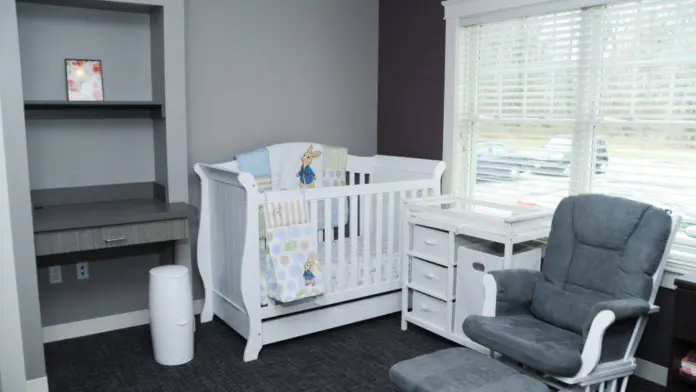
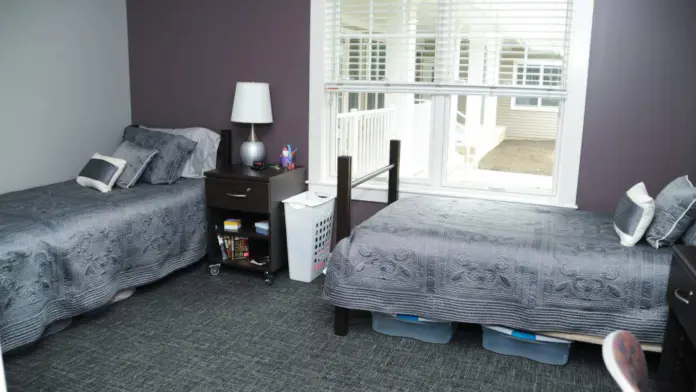
For individuals seeking a safe, sober and healthy living environment following the completion of primary treatment, the Center offers Recovery Housing. These residential, single-family homes provide additional support to promote recovery from alcohol and drugs. With self-determined lengths of stay, residency is designed to be transitional and to afford the individual sufficient time and resources with which to establish solid, independent and productive living arrangements.
Intensive outpatient programs (IOP) are designed for clients who need frequent, high-level care but do not require, or choose to forgo, inpatient treatment. Most intensive outpatient rehabs offer a minimum of nine hours of treatment weekly, though clients may receive up to 20 hours of care as needed. These programs typically combine various treatment modalities, including individual, group, and family counseling, medication assisted treatment (MAT), addiction and recovery education, and evidence-based complementary therapies, such as acupuncture and massage.
Intervention services help family members prepare for a drug intervention in Ohio. During an intervention, family members typically read letters they have prepared that explain how the individual's substance abuse has affected their lives and relationships. Each family member also explains what they will do if the individual does not agree to get treatment. An intervention specialist offers support to guide this discussion and makes appropriate treatment recommendations.
Lake-Geauga Recovery Centers offers ambulatory detox for individuals struggling with opiate addiction and withdrawal. This non-narcotic management of opiate withdrawal provides an alternative to suboxone and provides medications to assist individuals with the intensely uncomfortable, but non-life threatening, withdrawal symptoms.
Treatments
The goal of treatment for alcoholism is abstinence. Those with poor social support, poor motivation, or psychiatric disorders tend to relapse within a few years of treatment. For these people, success is measured by longer periods of abstinence, reduced use of alcohol, better health, and improved social functioning. Recovery and Maintenance are usually based on 12 step programs and AA meetings.
Drug rehab in Ohio provides comprehensive treatment to address the physical and psychological needs of those struggling with substance use disorders. This may involve inpatient and/or outpatient care.
Many of those suffering from addiction also suffer from mental or emotional illnesses like schizophrenia, bipolar disorder, depression, or anxiety disorders. Rehab and other substance abuse facilities treating those with a dual diagnosis or co-occurring disorder administer psychiatric treatment to address the person's mental health issue in addition to drug and alcohol rehabilitation.
Opioid rehabs specialize in supporting those recovering from opioid addiction. They treat those suffering from addiction to illegal opioids like heroin, as well as prescription drugs like oxycodone. These centers typically combine both physical as well as mental and emotional support to help stop addiction. Physical support often includes medical detox and subsequent medical support (including medication), and mental support includes in-depth therapy to address the underlying causes of addiction.
Substance rehabs focus on helping individuals recover from substance abuse, including alcohol and drug addiction (both illegal and prescription drugs). They often include the opportunity to engage in both individual as well as group therapy.
Programs
Adult rehab programs include therapies tailored to each client's specific needs, goals, and recovery progress. They are tailored to the specific challenges adult clients may face, including family and work pressures and commitments. From inpatient and residential treatment to various levels of outpatient services, there are many options available. Some facilities also help adults work through co-occurring conditions, like anxiety, that can accompany addiction.
Serving in the military is both mentally and physically challenging, and can result in trauma that persists even after combat ends. Military programs are tailored to the specific and often complex needs of active duty personnel, veterans, and military families. Clients often access these programs through the U.S. Department of Veterans Affairs (VA).
Clinical Services
Cognitive behavioral therapy in Ohio may occur in individual, group, or family sessions. It involves focusing on specific thought and behavior problems. Participants learn coping techniques and are asked to practice them as homework between sessions.
The main goals of dialectical behavior therapy are to teach you how to regulate your emotions, develop positive ways to cope with stress, improve your relationships, and live in the moment. This therapy lasts about six months and involves weekly individual and group sessions.
Group therapy is any therapeutic work that happens in a group (not one-on-one). There are a number of different group therapy modalities, including support groups, experiential therapy, psycho-education, and more. Group therapy involves treatment as well as processing interaction between group members.
In individual therapy, a patient meets one-on-one with a trained psychologist or counselor. Therapy is a pivotal part of effective substance abuse treatment, as it often covers root causes of addiction, including challenges faced by the patient in their social, family, and work/school life.
Therapists who apply motivational interviewing in Ohio don't try to confront clients or force advice onto them. Instead, they listen and come alongside clients to help them explore why and how they might decide to make changes for themselves.
Trauma therapy addresses traumatic incidents from a client's past that are likely affecting their present-day experience. Trauma is often one of the primary triggers and potential causes of addiction, and can stem from child sexual abuse, domestic violence, having a parent with a mental illness, losing one or both parents at a young age, teenage or adult sexual assault, or any number of other factors. The purpose of trauma therapy is to allow a patient to process trauma and move through and past it, with the help of trained and compassionate mental health professionals.
At Lake-Geauga Recovery Centers, they believe that the development of meaningful and supportive relationships for their clients is an essential ingredient for success. They recognize the immediate and long-term benefits to individuals in recovery when their families are involved in treatment. Therefore, they strongly encourage families to participate in Lake-Geauga Recovery Centers’ Family Program.
Life skills trainings involve all the skills a person must have in order to function successfully in the world. These include time management, career guidance, money management, and effective communication. Truly successful addiction recovery is based on the ability to not only live substance-free, but to thrive. Life skills teaches the practical necessities of functioning in society, which sets clients up for success in life, and therefore sobriety.
Nicotine Replacement Therapy (NRT) is a way of getting nicotine into the bloodstream without smoking. It uses products that supply low doses of nicotine to help people stop smoking. The goal of therapy is to cut down on cravings for nicotine and ease the symptoms of nicotine withdrawal.
Amenities
-
 Residential Setting
 -
 Private Setting
Accreditations

The Commission on Accreditation of Rehabilitation Facilities (CARF) is a non-profit organization that specifically accredits rehab organizations. Founded in 1966, CARF's, mission is to help service providers like rehab facilities maintain high standards of care.
CARF Accreditation: Yes
Rehab.com regularly reviews this listing for accuracy but changes may occur between updates. For the most up-to-date information, please contact Lake Geauga Recovery Centers.
Contact Information


134 S St Clair Street
Painesville, OH 44077
Sponsored Helpline


