





























































































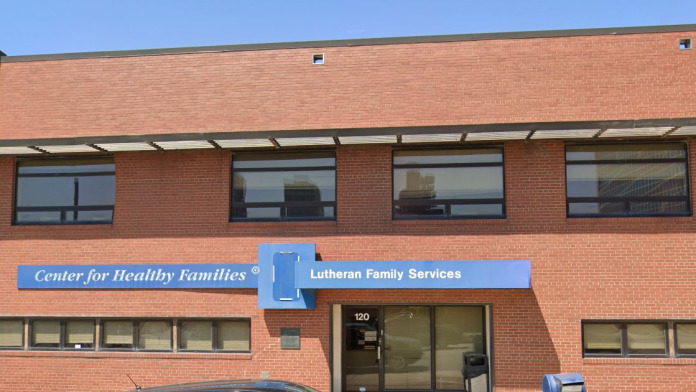
About Lutheran Family Services
Lutheran Family Services provides a person-centered approach to transformation. Clients are treated with dignity and respect and are asked to play an active role in their transformation. Services include an intensive outpatient program (IOP) and standard outpatient treatment.
Intensive Outpatient Program
The intensive outpatient program meets three days per week for three hours a time. The program lasts for six to eight weeks. Clients are encouraged to attend for up to an eight week period. Individual therapy, group therapy, family therapy, and couples counseling are provided.
Outpatient Treatment
The outpatient program is for individuals who only require treatment once per week to receive the level of care they need. Medication-assisted treatment, mental health counseling, and self-help groups are available.
Latest Reviews



Rehab Score
 Our Methodology


Gallery
Other Forms of Payment
Self-pay involves paying for treatment out of your own pocket. You can use savings or credit, get a personal loan, or receive help from family and friends to fund your treatment. If you don't have insurance or your insurance plan doesn't cover a specific program, self-pay can help ensure you still get the care you need.
Private insurance refers to any kind of healthcare coverage that isn't from the state or federal government. This includes individual and family plans offered by an employer or purchased from the Insurance Marketplace. Every plan will have different requirements and out of pocket costs so be sure to get the full details before you start treatment.
Sliding scale payments are based on a client's income and family size. The goal is to make treatment affordable to everyone. By taking these factors into account, addiction recovery care providers help ensure that your treatment does not become a financial burden to you or your family, eliminating one barrier to care.
Medicaid is a state based program that helps lower-income individuals and families pay for healthcare. Medicaid covers addiction treatment so those enrolled can use their coverage to pay for rehab. When a program accepts Medicaid the client often pays very little or nothing out of their own pocket.
Medicare is a federal program that provides health insurance for those 65 and older. It also serves people under 65 with chronic and disabling health challenges. To use Medicare for addiction treatment you need to find a program that accepts Medicare and is in network with your plan. Out of pocket costs and preauthorization requirements vary, so always check with your provider.
Addiction Treatments
Levels of Care
Level I Outpatient Therapy provides professionally directed evaluation, treatment and recovery services for individuals experiencing a substance use disorder. Nine hours per week of treatment services are provided in group or individual sessions or a combination of both, depending on an individual’s needs. Treatment typically lasts 12 weeks.
The Intensive Outpatient Program (IOP) is a group-focused, non-residential program for adults 19 and older. IOP is more in-depth than traditional outpatient treatment services, offering a minimum of 10 hours of treatment per week. IOP typically lasts six to eight weeks. Intensive groups meet for three-hour sessions, three days a week. Each participant must also attend at least one additional individual or family session each week. Services are available days and evenings.
Completing a drug or alcohol rehab program shouldn't spell the end of substance abuse treatment. Aftercare involves making a sustainable plan for recovery, including ongoing support. This can include sober living arrangements like halfway houses, career counseling, and setting a patient up with community programs like Alcoholics Anonymous (AA) or Narcotics Anonymous (NA).
Treatments
The goal of treatment for alcoholism is abstinence. Those with poor social support, poor motivation, or psychiatric disorders tend to relapse within a few years of treatment. For these people, success is measured by longer periods of abstinence, reduced use of alcohol, better health, and improved social functioning. Recovery and Maintenance are usually based on 12 step programs and AA meetings.
During drug rehab in Nebraska, you'll participate in therapies that address the many issues that contribute to addiction. Treatment includes physical, mental, emotional, and relational aspects. These methods provide the tools you need to achieve long-term recovery.
Many of those suffering from addiction also suffer from mental or emotional illnesses like schizophrenia, bipolar disorder, depression, or anxiety disorders. Rehab and other substance abuse facilities treating those with a dual diagnosis or co-occurring disorder administer psychiatric treatment to address the person's mental health issue in addition to drug and alcohol rehabilitation.
A combined mental health and substance abuse rehab has the staff and resources available to handle individuals with both mental health and substance abuse issues. It can be challenging to determine where a specific symptom stems from (a mental health issue or an issue related to substance abuse), so mental health and substance abuse professionals are helpful in detangling symptoms and keeping treatment on track.
Opioid rehabs specialize in supporting those recovering from opioid addiction. They treat those suffering from addiction to illegal opioids like heroin, as well as prescription drugs like oxycodone. These centers typically combine both physical as well as mental and emotional support to help stop addiction. Physical support often includes medical detox and subsequent medical support (including medication), and mental support includes in-depth therapy to address the underlying causes of addiction.
Programs
Adult rehab programs include therapies tailored to each client's specific needs, goals, and recovery progress. They are tailored to the specific challenges adult clients may face, including family and work pressures and commitments. From inpatient and residential treatment to various levels of outpatient services, there are many options available. Some facilities also help adults work through co-occurring conditions, like anxiety, that can accompany addiction.
LFS At Ease provides confidential, individualized counseling services for active military personnel, veterans and their loved ones regardless of ability to pay. Untreated trauma reactions and post-traumatic stress disorder (PTSD) can lead to physical illness, substance use disorder, social avoidance, family conflicts and a reduction in employment or school performance.
Young adulthood can be an exciting, yet difficult, time of transition. Individuals in their late teens to mid-20s face unique stressors related to school, jobs, families, and social circles, which can lead to a rise in substance use. Rehab centers with dedicated young adult programs will include activities and amenities that cater to this age group, with an emphasis on specialized counseling, peer socialization, and ongoing aftercare.
Clinical Services
Cognitive Behavioral Therapy (CBT) is a therapy modality that focuses on the relationship between one's thoughts, feelings, and behaviors. It is used to establish and allow for healthy responses to thoughts and feelings (instead of unhealthy responses, like using drugs or alcohol). CBT has been proven effective for recovering addicts of all kinds, and is used to strengthen a patient's own self-awareness and ability to self-regulate. CBT allows individuals to monitor their own emotional state, become more adept at communicating with others, and manage stress without needing to engage in substance abuse.
Eye Movement Desensitization and Reprocessing (EMDR) is an extensively-researched, integrative psychotherapy proven effective for trauma treatment. By directly affecting how the brain processes information, EMDR helps people see traumatic memories in new, less distressing ways. Adjunctive therapy allows the client to retain their primary therapist and receive EMDR treatment from LFS. An EMDR-trained therapist works with the client for six to eight sessions specifically for EMDR therapy. After completion of EMDR therapy the client returns to their primary therapist.
Research clearly demonstrates that recovery is far more successful and sustainable when loved ones like family members participate in rehab and substance abuse treatment. Genetic factors may be at play when it comes to drug and alcohol addiction, as well as mental health issues. Family dynamics often play a critical role in addiction triggers, and if properly educated, family members can be a strong source of support when it comes to rehabilitation.
Group therapy is any therapeutic work that happens in a group (not one-on-one). There are a number of different group therapy modalities, including support groups, experiential therapy, psycho-education, and more. Group therapy involves treatment as well as processing interaction between group members.
In individual therapy, a patient meets one-on-one with a trained psychologist or counselor. Therapy is a pivotal part of effective substance abuse treatment, as it often covers root causes of addiction, including challenges faced by the patient in their social, family, and work/school life.
Community Support Specialists provide assistance to individuals experiencing Severe and Persistent Mental Illness (SPMI). The goal is to help clients achieve self-sustaining independence by attaining stability, improving personal, community and vocational functioning, increasing residential stability and enhancing development of skills.
An evidence-based psychotherapy for children and adolescents (ages 3 to 18) with post-traumatic stress disorder (PTSD) and other difficulties related to traumatic life events. The goal of TF-CBT is to provide both the child and caregiver with the knowledge and skills to help them identify and cope with trauma-related emotions, thoughts and behaviors.
Amenities
-
 Private Setting
Staff
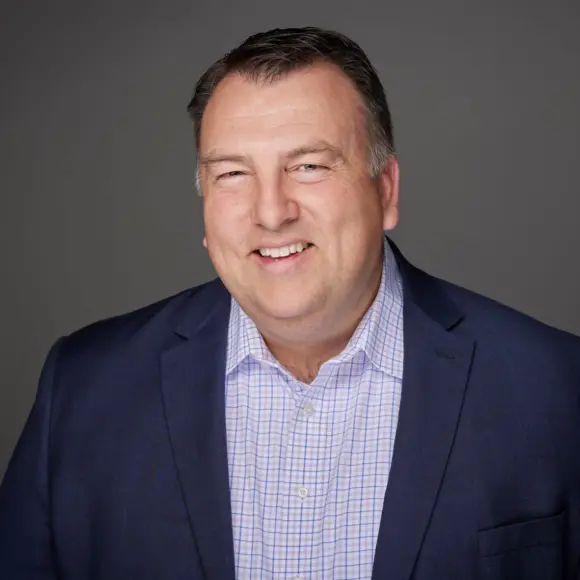
Christopher Tonniges
President & CEO
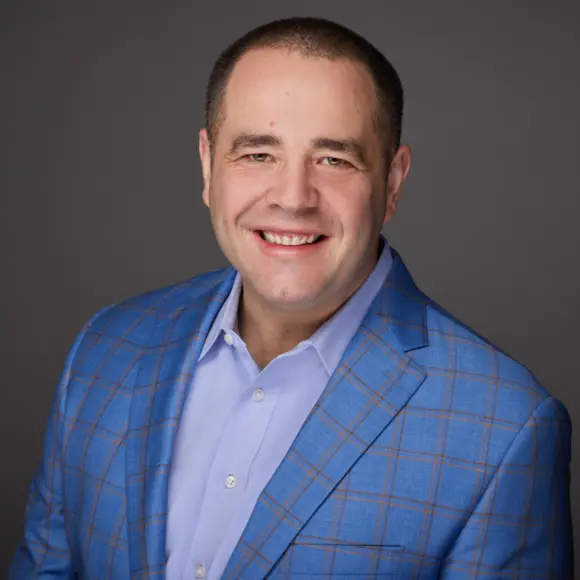
Mosah Goodman
COO & VP of Legal
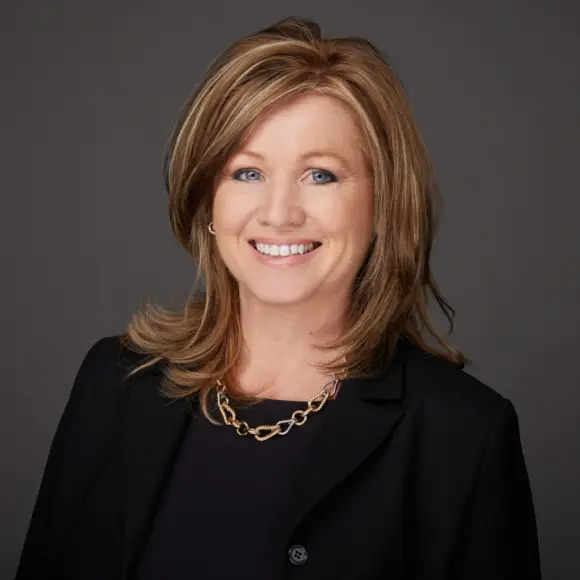
Amy Carolus
CFO
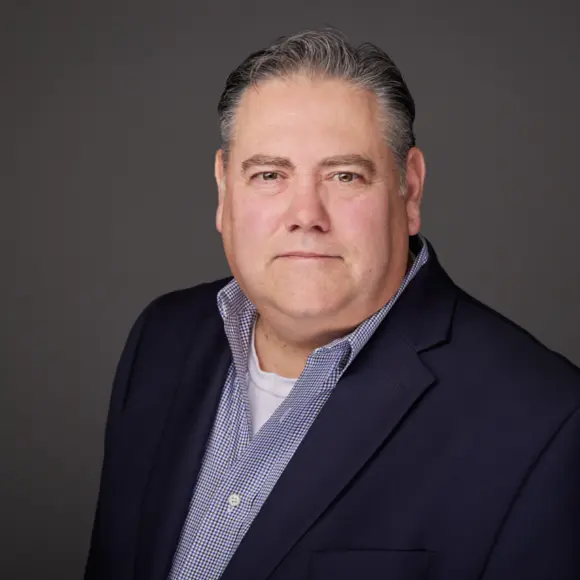
Jeff Barnhart
Chief Development Officer

Chris Debreceni
Senior VP of Community Based Services
Shirley Terry
Senior VP of Health & Wellness
Teresa Harms - Coder
VP of Program Performance
Heather Wiese
VP of Integrated Health Strategy & Operations & Medical Director
Rehab.com regularly reviews this listing for accuracy but changes may occur between updates. For the most up-to-date information, please contact Lutheran Family Services.
Contact Information


120 S 24th Street
Suite 100
Omaha, NE 68102
Sponsored Helpline



