






























































































Very unorganized. Everyone who worked there was on a diff page. Groups were boring and were just to keep us busy. Arts n crafts. Felt like I was in middle schoool. My brother came here years ago when different people ran it & spoke so highly of it. Well it is def not the ...
About Maryland Recovery
Living in a sober recovery home while attending high-quality outpatient treatment gives you all the benefits of residential treatment but without the high cost. Also, many insurance companies pay for outpatient treatment when they don’t pay for residential care.
To be admitted, you need to be medically stable. You’ll need to attend a medical detox before coming to Maryland Recovery.
You’ll get a custom treatment plan for your needs. Generally, clients stay between 28-90 days.
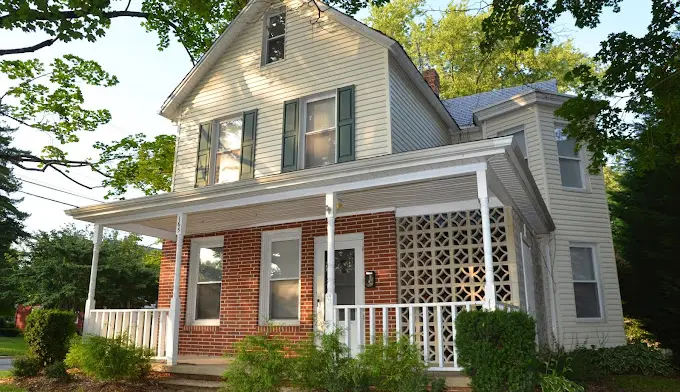
Maryland Recovery provides comfortable, home-like housing. You’ll go to work or school and live your life as normally as possible while still working on your recovery. They also have an alumni program for past clients. This way you can stay connected to the recovery community even after you complete your treatment.
Previous clients are positive about their experience. Several claim this facility saved their lives. There were a few previous clients that had concerns as well.
Latest Reviews
Maryland recovery definitely has an amazing program. Like anything in recovery you have to be open to change. The councilors to the coordinator are all amazing they give u as much information as possible while giving the tools to succeed. All the employees have been thru addiction and that matters they have been thru the trenches of addiction and have been successful with their recovery and are very supportive of whatever u have going on. I learned so much from MRP from the way ur brain is affected to the coping skills to help u move thru ur recovery. I love everyone at MRP and will recommend them to anyone who is serious about actually getting well. Thank you Alex, Chris, Sean, Brittany, Laura, and the whole team there for changing my life for the better
Response from the owner1 week ago
Thank you, Shane, for taking the time to share your experience. We’re honored to have been part of your recovery journey and are grateful for your thoughtful words. Recovery begins with a willingness to grow, and we're so glad you found value in the guidance, education, and support provided by our team. We'll be sure to share your kind words with Alex, Chris, Sean, Brittany, Laura, and the rest of the staff. Knowing they made a positive impact means the world to us. Thank you for your recommendation and for trusting Maryland Recovery. We wish you continued strength, growth, and success in your recovery.
I had a few options after detox/rehab for a step down program to continue working on my recovery. I am very happy that I chose to go to MRP. From the initial assessment to my next step afterwards, I was supported and involved with every single part of this process. Kim was my counselor and she treated me like I was her own son. She helped open up and talk about things that have been such a struggle for me my whole life. The groups were very informative and enjoyable at the same time. As much as we worked on our recovery, we also had a lot of fun while I was there. We went bowling, to the movies and fishing when the weather permitted. I am so thankful for every single staff member who helped me with everything that I needed. I was so nervous on my way there but that feeling disappeared as soon as I stepped in the door. I was a bit sad to leave but I was also very excited to move on to the next chapter of my life. Again thank you MRP, I appreciate y’all so much.
We’re glad you found the groups both meaningful and engaging, and that you were able to build positive memories through the activities and connections you made along the way. Thank you for trusting us to be part of your recovery. We’re incredibly proud of how far you’ve come and wish you continued strength, growth, and success in the future.
Response from the owner1 week ago
Thank you, Miguel, for taking the time to share your experience. We’re honored that you chose Maryland Recovery for the next step in your recovery journey. It’s wonderful to hear that you felt supported from your first assessment through your transition to the next chapter. We’re especially grateful for your kind words about Kim and our entire team. Providing compassionate, individualized care while creating a welcoming environment is at the heart of what we do.We’re glad you found the groups both meaningful and engaging, and that you were able to build positive memories through the activities and connections you made along the way. Thank you for trusting us to be part of your recovery. We’re incredibly proud of how far you’ve come and wish you continued strength, growth, and success in the future.
Ive recommended this treatment facility to a close family member struggling with addiction. If I ever needed treatment again I would come back. The staff went out of their way to help me. I gained a better perspective on life because of what I learned about myself at MRP!
Response from the owner1 week ago
Thank you, Lauren, for sharing your experience. We’re honored that you would recommend Maryland Recovery to a loved one and grateful for the trust you placed in our team. It’s wonderful to hear that our staff provided the support and encouragement you needed during your time with us. Recovery is about more than overcoming addiction. It’s also about discovering new strengths, gaining perspective, and building a foundation for a healthier future. We’re so glad that your experience at MRP helped you learn more about yourself and grow in meaningful ways. We wish you continued success on your journey and appreciate your kind words. 
Rehab Score
 Our Methodology
Scoring is assigned by a proprietary system which helps surface key metrics that determine quality. The 10-point scale factors in categories such as operations, customer satisfaction, and trust metrics. Read Full Methodology

8.3 / 10
Gallery
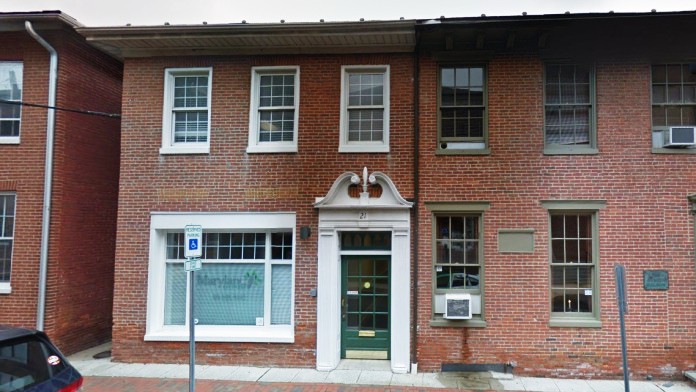
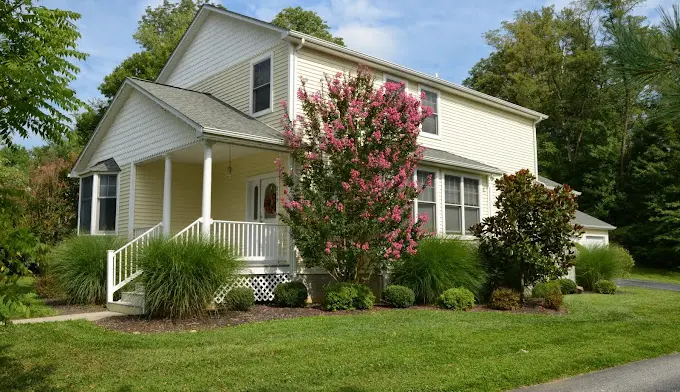
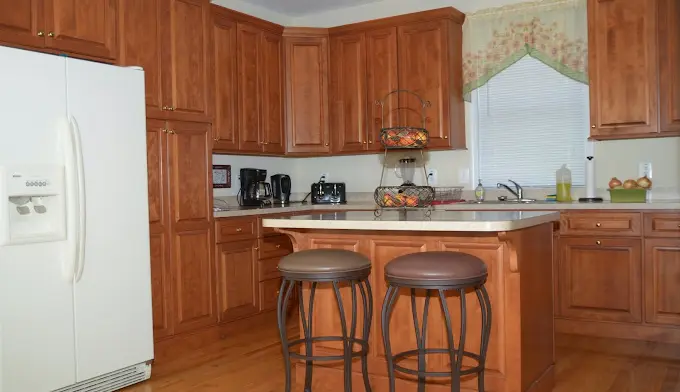
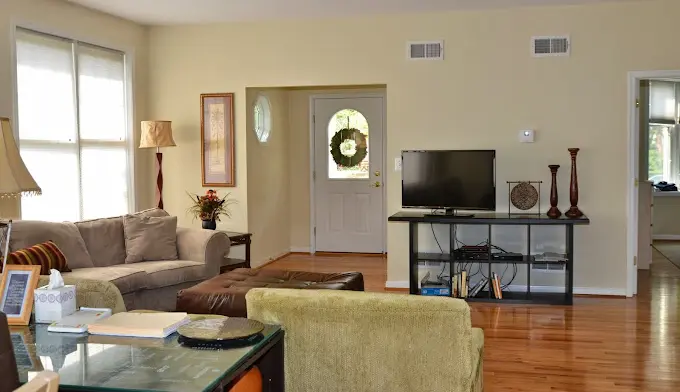
Accepted Insurance
Other Forms of Payment
Private insurance refers to any kind of healthcare coverage that isn't from the state or federal government. This includes individual and family plans offered by an employer or purchased from the Insurance Marketplace. Every plan will have different requirements and out of pocket costs so be sure to get the full details before you start treatment.
Self-pay involves paying for treatment out of your own pocket. You can use savings or credit, get a personal loan, or receive help from family and friends to fund your treatment. If you don't have insurance or your insurance plan doesn't cover a specific program, self-pay can help ensure you still get the care you need.
Sliding scale payments are based on a client's income and family size. The goal is to make treatment affordable to everyone. By taking these factors into account, addiction recovery care providers help ensure that your treatment does not become a financial burden to you or your family, eliminating one barrier to care.
Military members, veterans, and eligible dependents have access to specific insurance programs that help them get the care they need. TRICARE and VA insurance can help you access low cost or no cost addiction and mental health treatment. Programs that accept military insurance often have targeted treatment focused on the unique challenges military members, veterans, and their families face.
Medicaid is a state based program that helps lower-income individuals and families pay for healthcare. Medicaid covers addiction treatment so those enrolled can use their coverage to pay for rehab. When a program accepts Medicaid the client often pays very little or nothing out of their own pocket.
Financing your treatment can make treatment more accessible. You'll work with your care provider to set up payment plans, including interest rates and repayment timelines. Financing options vary widely and not all programs offer them, so be sure to get the full details before enrolling in treatment. If you have insurance or other benefits, financing may help you cover your remaining out of pocket expenses.
Addiction Treatments
Levels of Care
Outpatient Programs (OP) are for those seeking mental rehab or drug rehab, but who also stay at home every night. The main difference between outpatient treatment (OP) and intensive outpatient treatment (IOP) lies in the amount of hours the patient spends at the facility. Most of the time an outpatient program is designed for someone who has completed an inpatient stay and is looking to continue their growth in recovery. Outpatient is not meant to be the starting point, it is commonly referred to as aftercare.
Patients admitted into Partial Hospitalization Program (PHP) will receive addiction treatment 7 days a week. This program has a strong clinical component, and it’s designed to help adults who are still in the early stages of recovery, including withdrawal. PHP patients receive up to 6 hours of treatment each day in a residential setting and are closely monitored to make sure their physical and mental health remains stable during this period.
Intensive Outpatient Program (IOP) is designed for patients who don’t require the same level of monitoring and treatment as those in the PHP. The IOP features clinical treatment (in the form of individual and group counseling) as well as expert holistic therapy. Community integration is also a key component of the IOP.
Clients receiving support in a rehab aftercare program typically partner with their case manager and care team to identify and access the services that best align with their recovery needs and goals. Rehab aftercare services are designed to evolve with clients' changing needs to promote their long-term sobriety. Care modalities are highly customized and may include a range of medical, mental health, and social service resources, including peer coaching, career counseling, and 12 step program induction.
12-step programs are addiction recovery models based on Alcoholics Anonymous (AA). A number of substance abuse programs (including some drug and alcohol rehab centers) use the 12 steps as a basis for treatment. Beginning steps involve admitting powerlessness over the addiction and creating a spiritual basis for recovery. Middle steps including making direct amends to those who've been hurt by the addiction, and the final step is to assist others in addiction recovery in the same way. 12-Step offshoots including Narcotics Anonymous (NA), Cocaine Anonymous (CA), Dual Recovery Anonymous (DRA), Sex and Love Addicts Anonymous (SLAA) and Gamblers Anonymous (GA).
Sober Living Houses (SLHs), aka sober homes or halfway houses, are safe, substance-free, supportive living facilities for those recovering from substance abuse. Ideal for those who've just been through inpatient or outpatient treatment, SLHs are supervised environments with rules that support sobriety, such as curfews, shared chores, and therapeutic meetings. Residents are also often trained on life skills and coping skills to make it easier to transition into society. SLHs also provide a strong sense of community that can lead to the kind of deep and lasting connections with other sober individuals that supports a new, healthy lifestyle.
Patients admitted into Partial Hospitalization Program (PHP) will receive addiction treatment 7 days a week. This program has a strong clinical component, and it’s designed to help adults who are still in the early stages of recovery, including withdrawal. PHP patients receive up to 6 hours of treatment each day in a residential setting and are closely monitored to make sure their physical and mental health remains stable during this period.
For intensive-level rehab treatment, 24-hour clinical care in Maryland is an essential tool. Medical staff are available around the clock to supervise the process, which involves cleansing the body of toxins. Close supervision is necessary due to the potential risks of withdrawal symptoms. Medical experts on-site are available to prescribe medications and other forms of treatment to address these symptoms and ensure a safe detox process.
Drug and alcohol addiction often takes a heavy toll on one's body. Over time, a physical dependence can develop, meaning the body physiologically needs the substance to function. Detox is the process of removing drugs and/or alcohol from the body, a process that can be lethal if mismanaged. Medical detox is done by licensed medical professionals who monitor vital signs and keep you safe, healthy, and as comfortable as possible as you go through detox and withdrawal.
Treatments
The goal of treatment for alcoholism is abstinence. Those with poor social support, poor motivation, or psychiatric disorders tend to relapse within a few years of treatment. For these people, success is measured by longer periods of abstinence, reduced use of alcohol, better health, and improved social functioning. Recovery and Maintenance are usually based on 12 step programs and AA meetings.
Once a person has become addicted to a substance, drug rehab in Maryland is often necessary to overcome that addiction. These programs provide the tools individuals need to manage the physical, mental, and emotional issues involved and begin a successful recovery journey.
Mental health disorders are said to play a role in more than 50 percent of drug addiction cases. Therefore, the facility offers exceptional treatment for dual diagnosis disorders. Maryland Recovery patients with a dual diagnosis are given a tailored treatment plan to accommodate their mental, emotional and even physical needs.
A combined mental health and substance abuse rehab has the staff and resources available to handle individuals with both mental health and substance abuse issues. It can be challenging to determine where a specific symptom stems from (a mental health issue or an issue related to substance abuse), so mental health and substance abuse professionals are helpful in detangling symptoms and keeping treatment on track.
Opioid rehabs specialize in supporting those recovering from opioid addiction. They treat those suffering from addiction to illegal opioids like heroin, as well as prescription drugs like oxycodone. These centers typically combine both physical as well as mental and emotional support to help stop addiction. Physical support often includes medical detox and subsequent medical support (including medication), and mental support includes in-depth therapy to address the underlying causes of addiction.
Programs
Adult rehab programs include therapies tailored to each client's specific needs, goals, and recovery progress. They are tailored to the specific challenges adult clients may face, including family and work pressures and commitments. From inpatient and residential treatment to various levels of outpatient services, there are many options available. Some facilities also help adults work through co-occurring conditions, like anxiety, that can accompany addiction.
Young adulthood can be an exciting, yet difficult, time of transition. Individuals in their late teens to mid-20s face unique stressors related to school, jobs, families, and social circles, which can lead to a rise in substance use. Rehab centers with dedicated young adult programs will include activities and amenities that cater to this age group, with an emphasis on specialized counseling, peer socialization, and ongoing aftercare.
Serving in the military is both mentally and physically challenging, and can result in trauma that persists even after combat ends. Military programs are tailored to the specific and often complex needs of active duty personnel, veterans, and military families. Clients often access these programs through the U.S. Department of Veterans Affairs (VA).
Clinical Services
Cognitive Behavioral Therapy (CBT) is a therapy modality that focuses on the relationship between one's thoughts, feelings, and behaviors. It is used to establish and allow for healthy responses to thoughts and feelings (instead of unhealthy responses, like using drugs or alcohol). CBT has been proven effective for recovering addicts of all kinds, and is used to strengthen a patient's own self-awareness and ability to self-regulate. CBT allows individuals to monitor their own emotional state, become more adept at communicating with others, and manage stress without needing to engage in substance abuse.
Dialectical Behavior Therapy (DBT) is a modified form of Cognitive Behavioral Therapy (CBT), a treatment designed to help people understand and ultimately affect the relationship between their thoughts, feelings, and behaviors. DBT is often used for individuals who struggle with self-harm behaviors, such as self-mutilation (cutting) and suicidal thoughts, urges, or attempts. It has been proven clinically effective for those who struggle with out-of-control emotions and mental health illnesses like Borderline Personality Disorder.
Equine therapy, aka equine-assisted therapy (EAT), is a form of experiential therapy that involves interactions and activities with horses. It does not necessarily involve riding horses, but all activities related to horses, such as feeding, grooming, haltering and leading them. A mental health professional frequently oversees the activities (often in conjunction with a horse professional), and helps patients process their thoughts, feelings, and behavior patterns during and/or after the interaction.
Group therapy is any therapeutic work that happens in a group (not one-on-one). There are a number of different group therapy modalities, including support groups, experiential therapy, psycho-education, and more. Group therapy involves treatment as well as processing interaction between group members.
In individual therapy, a patient meets one-on-one with a trained psychologist or counselor. Therapy is a pivotal part of effective substance abuse treatment, as it often covers root causes of addiction, including challenges faced by the patient in their social, family, and work/school life.
Motivational Interviewing (MI) is a clinical approach to helping people with substance abuse issues and other conditions shift behavior in positive ways. It is more goal-oriented than traditional psychotherapy, as MI counselors directly attempt to get clients to consider making behavioral change (rather than wait for them to come to conclusions themselves). Its primary purpose is to resolve ambivalence and help clients become able to make healthy choices freely.
Trauma therapy addresses traumatic incidents from a client's past that are likely affecting their present-day experience. Trauma is often one of the primary triggers and potential causes of addiction, and can stem from child sexual abuse, domestic violence, having a parent with a mental illness, losing one or both parents at a young age, teenage or adult sexual assault, or any number of other factors. The purpose of trauma therapy is to allow a patient to process trauma and move through and past it, with the help of trained and compassionate mental health professionals.
When you participate in couples therapy, you learn how to understand each other better, improve your communication skills, resolve conflict, and improve relationship satisfaction. Your therapist will help you develop skills in each of these areas to strengthen your relationship.
Research clearly demonstrates that recovery is far more successful and sustainable when loved ones like family members participate in rehab and substance abuse treatment. Genetic factors may be at play when it comes to drug and alcohol addiction, as well as mental health issues. Family dynamics often play a critical role in addiction triggers, and if properly educated, family members can be a strong source of support when it comes to rehabilitation.
Life skills trainings involve all the skills a person must have in order to function successfully in the world. These include time management, career guidance, money management, and effective communication. Truly successful addiction recovery is based on the ability to not only live substance-free, but to thrive. Life skills teaches the practical necessities of functioning in society, which sets clients up for success in life, and therefore sobriety.
Creativity is inherently healing, and can help those in recovery express thoughts or feelings they might not otherwise be able to. Creative arts therapy can include music, poetry/writing, painting, sculpting, dance, theater, sandplay, and more. Unlike traditional art, the final product matters far less than the experience of creation and expression itself.
 Animal Therapy
Amenities
-
 Gym
Gym -
 Yoga Studio
 -
 Residential Setting
 -
 Private Rooms
 -
 Acupuncture Room
 -
 Recreation Room
Staff & Accreditations
Staff
Dave Gerick
CEO & Managing Partner
Crystal Slagle
COO
Jessica Holmes, PMHNP
Medical Director
April Woodland, LPN
Lead Nurse
Christopher Schwartfigure, LCPC, CAC-ADS, RPS
Clinical Director
Accreditations

The Joint Commission, formerly known as JCAHO, is a nonprofit organization that accredits rehab organizations and programs. Founded in 1951, the Joint Commision's mission is to improve the quality of patient care and demonstrating the quality of patient care.
Joint Commission Accreditation: Yes
Accreditation Number: 546157

The National Association of Addiction Treatment Providers (NAATP) is a professional association that represents organizations in the field of addiction services. Founded in 1978, NAATP's mission is to advance addiction services and ensure that high-quality addiction treatment is available and accessible.
NAATP Member: Yes
Member ID: 7495

The Substance Abuse and Mental Health Services Administration (SAMHSA) is a branch of the U.S. Department of Health and Human Services. Established in 1992 by congress, SAMHSA's mission is to reduce the impact of substance abuse and mental illness on American's communities.
SAMHSA Listed: Yes

State Licenses are permits issued by government agencies that allow rehab organizations to conduct business legally within a certain geographical area. Typically, the kind of program a rehab facility offers, along with its physical location, determines which licenses are required to operate legally.
State License: Maryland
License Number: 905167
Rehab.com regularly reviews this listing for accuracy but changes may occur between updates. For the most up-to-date information, please contact Maryland Recovery.
Contact Information

21 West Courtland Street
Bel Air, MD 21014
Get Help Now - 443-376-8502
Sponsored Helpline
Sponsored Helpline


