































































































It is not a detox, there would not be any comfort meds there - a Suboxone program is totally different than a Methadone program and they would not be combined. The program is laid out completely from day one, you have to want the treatment, research the program, and not blam ...
About Miners Medical
Miners Medical is a Pinnacle Treatment Centers outpatient addiction facility in Wilkes-Barre, Pennsylvania.
The center offers Intensive Outpatient, Opioid Treatment Program and Office Based Opiate Treatment services.
Miners Medical provides personalized care in a safe environment designed to help patients get their lives back on track.
Opioid Addiction Treatment and MAT
Miners Medical specializes in treating opioid use disorder, including dependence on heroin, fentanyl and prescription painkillers.
The clinic offers three medication-assisted treatment pathways under one roof: Methadone, Suboxone®, and Vivitrol®, supported by substance use assessments, urine drug screening, and ongoing medical monitoring.
Treatment combines MAT with individual, group, family and couples counseling, drawing on CBT, MI and the Matrix Model.
Patients consistently praise the caring nursing staff and supportive counselors.
Specialized Support for Women and Pregnant Patients
Miners Medical offers gender specific counseling and prioritized admission for pregnant clients.
This focus ensures women and expectant mothers receive timely, comprehensive recovery care.
Access and Getting Started
Miners Medical operates from 90 East Union Street in Wilkes Barre, offering in person outpatient care plus telehealth.
The CARF accredited, SAMHSA listed OTP accepts Medicaid, Medicare and Medicare Advantage and self pay.
Latest Reviews
They helped my friend tremendously. Thank you for help saving my friend.
Response from the owner1 week ago
Thank you so much for your kind words, Na Na. We're grateful to have been part of your friend's journey and are so glad to hear they are doing well. 🩵
The nurses are probably the best thing about the place they're also kinds non-judgmental in any way but we'll give it to you straight if you're messing up I've had many counselors throughout the years I currently have Dale she like amazing case manager is amazing and I even love all the people at the front desk five stars for them
Response from the owner1 week ago
Thank you for your kind words and sharing your experience with us, Sklar. We'll be sure to share your feedback with the team; they'll be thrilled to hear it. 😊
Incredible staff the nurses are great. The doctor every everybody there is just wonderful.
Response from the owner1 week ago
Thank you so much for your kind words, Jack! We're thrilled to hear that you had such a positive experience with our staff. It means a lot to us to know that the nurses and doctors made a great impression. We’re dedicated to providing excellent care, and your feedback truly motivates us to keep up the good work. We're just happy to be part of your recovery journey 🙂. 
Rehab Score
 Our Methodology
Scoring is assigned by a proprietary system which helps surface key metrics that determine quality. The 10-point scale factors in categories such as operations, customer satisfaction, and trust metrics. Read Full Methodology

6.5 / 10
Location
Other Forms of Payment
Private insurance refers to any kind of healthcare coverage that isn't from the state or federal government. This includes individual and family plans offered by an employer or purchased from the Insurance Marketplace. Every plan will have different requirements and out of pocket costs so be sure to get the full details before you start treatment.
Self-pay involves paying for treatment out of your own pocket. You can use savings or credit, get a personal loan, or receive help from family and friends to fund your treatment. If you don't have insurance or your insurance plan doesn't cover a specific program, self-pay can help ensure you still get the care you need.
Medicaid is a state based program that helps lower-income individuals and families pay for healthcare. Medicaid covers addiction treatment so those enrolled can use their coverage to pay for rehab. When a program accepts Medicaid the client often pays very little or nothing out of their own pocket.
Medicare is a federal program that provides health insurance for those 65 and older. It also serves people under 65 with chronic and disabling health challenges. To use Medicare for addiction treatment you need to find a program that accepts Medicare and is in network with your plan. Out of pocket costs and preauthorization requirements vary, so always check with your provider.
Addiction Treatments
Levels of Care
Outpatient Programs (OP) are for those seeking mental rehab or drug rehab, but who also stay at home every night. The main difference between outpatient treatment (OP) and intensive outpatient treatment (IOP) lies in the amount of hours the patient spends at the facility. Most of the time an outpatient program is designed for someone who has completed an inpatient stay and is looking to continue their growth in recovery. Outpatient is not meant to be the starting point, it is commonly referred to as aftercare.
Clients engaged in intensive outpatient programs (IOP) live and work in their home community while receiving frequent, high-level care. These programs offer personalized care designed to evolve with the clients' changing needs. Many intensive outpatient rehabs require a minimum of nine hours of treatment per week, but high-risk clients and those in early recovery may receive up to 20 hours of care weekly. IOP services generally include addiction counseling, recovery education, and holistic therapies, such as massage.
Drug and alcohol addiction often takes a heavy toll on one's body. Over time, a physical dependence can develop, meaning the body physiologically needs the substance to function. Detox is the process of removing drugs and/or alcohol from the body, a process that can be lethal if mismanaged. Medical detox is done by licensed medical professionals who monitor vital signs and keep you safe, healthy, and as comfortable as possible as you go through detox and withdrawal.
Completing a drug or alcohol rehab program shouldn't spell the end of substance abuse treatment. Aftercare involves making a sustainable plan for recovery, including ongoing support. This can include sober living arrangements like halfway houses, career counseling, and setting a patient up with community programs like Alcoholics Anonymous (AA) or Narcotics Anonymous (NA).
Treatments
The goal of treatment for alcoholism is abstinence. Those with poor social support, poor motivation, or psychiatric disorders tend to relapse within a few years of treatment. For these people, success is measured by longer periods of abstinence, reduced use of alcohol, better health, and improved social functioning. Recovery and Maintenance are usually based on 12 step programs and AA meetings.
Drug rehab in Pennsylvania is devoted to the treatment of addiction. Levels of care, treatment methods, and settings differ, but the aim of each program is to end drug dependency and empower participants to achieve long-term recovery.
Opioid rehabs specialize in supporting those recovering from opioid addiction. They treat those suffering from addiction to illegal opioids like heroin, as well as prescription drugs like oxycodone. These centers typically combine both physical as well as mental and emotional support to help stop addiction. Physical support often includes medical detox and subsequent medical support (including medication), and mental support includes in-depth therapy to address the underlying causes of addiction.
Substance rehabs focus on helping individuals recover from substance abuse, including alcohol and drug addiction (both illegal and prescription drugs). They often include the opportunity to engage in both individual as well as group therapy.
Programs
Adult rehab programs include therapies tailored to each client's specific needs, goals, and recovery progress. They are tailored to the specific challenges adult clients may face, including family and work pressures and commitments. From inpatient and residential treatment to various levels of outpatient services, there are many options available. Some facilities also help adults work through co-occurring conditions, like anxiety, that can accompany addiction.
Young adulthood can be an exciting, yet difficult, time of transition. Individuals in their late teens to mid-20s face unique stressors related to school, jobs, families, and social circles, which can lead to a rise in substance use. Rehab centers with dedicated young adult programs will include activities and amenities that cater to this age group, with an emphasis on specialized counseling, peer socialization, and ongoing aftercare.
Clinical Services
Cognitive behavioral therapy (CBT) in Pennsylvania can be helpful to individuals who are experiencing substance use disorder and various mental health conditions. It helps you identify damaging thought and behavior patterns and replace them with healthy ones.
In individual therapy, a patient meets one-on-one with a trained psychologist or counselor. Therapy is a pivotal part of effective substance abuse treatment, as it often covers root causes of addiction, including challenges faced by the patient in their social, family, and work/school life.
Group therapy is any therapeutic work that happens in a group (not one-on-one). There are a number of different group therapy modalities, including support groups, experiential therapy, psycho-education, and more. Group therapy involves treatment as well as processing interaction between group members.
Family therapy teaches individual family members in Pennsylvania the benefits of collectively combating addiction. Therapists help individual members establish healthy boundaries between themselves and their loved one who is struggling with addiction. This helps improve emotional support systems and creates a bond so families work together to sustain long term recovery.
It is important to process the impact that traumatic experiences have had on your life. During trauma therapy, you and an experienced therapist confront these experiences and the emotional impact it is had. This helps to reduce your symptoms of stress and anxiety and improve your overall mental health and well being.
Motivational interviewing in Pennsylvania gives you the opportunity to share your perspective and explore your ideas and motivation for change. Your therapist will walk you through the four steps of engaging, focusing, evoking, and planning to empower you to make any desired changes in your life.
Life skills are the mental and social skills that are necessary to navigate day to day life. Addiction diminishes or eliminates these skills, so they must be relearned and practiced during drug rehab treatment in Pennsylvania.
Artistic talent is not required to participate in creative arts therapy. This form of rehab treatment in Pennsylvania simply allows you to try different art media and use the one that works best for you to express yourself. The goal is not to produce quality art but to use the creative process as an outlet for recovery.
Staff & Accreditations
Staff
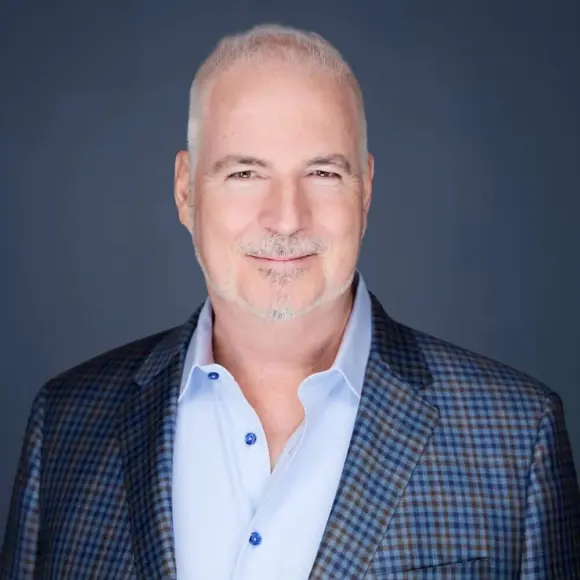
Michael Lawler
CEO
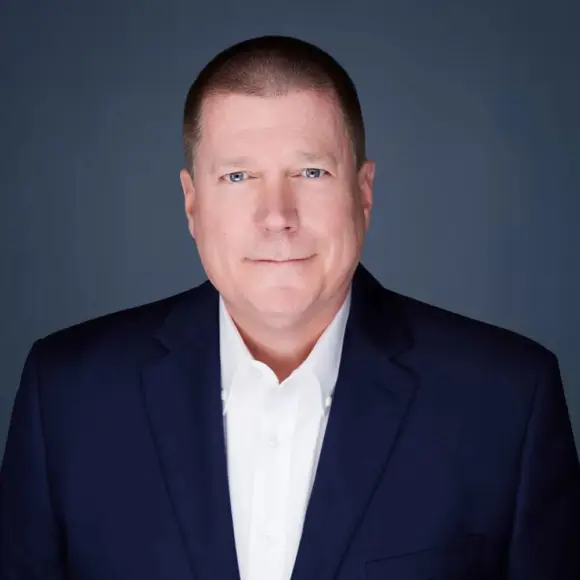
Brian Thorn
COO

Kiran Adigopula
CIO
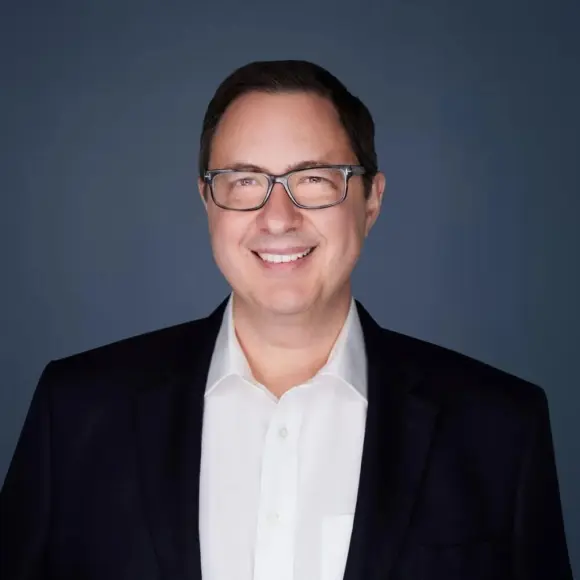
William Dorris
CFO

Dr. Chris Dennis, MD, MBA, FAPA
CMO
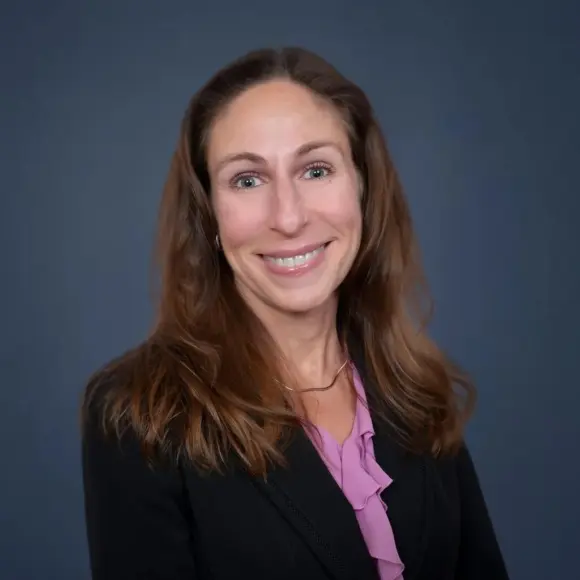
Dr. Carin Kottraba, PhD
Chief Clinical Officer
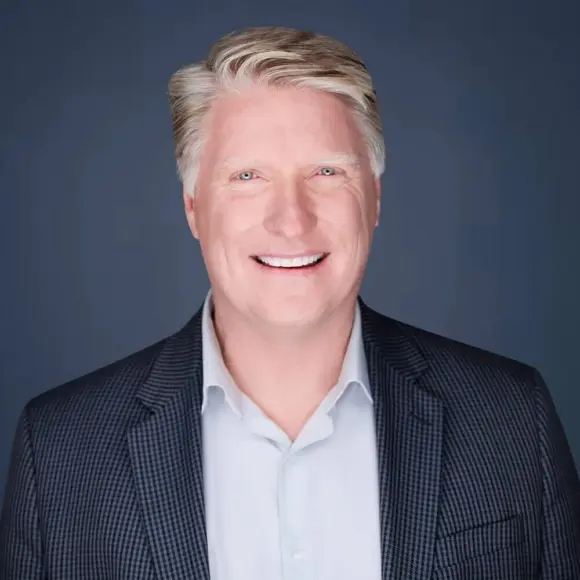
Dave Long
Chief Talent Officer
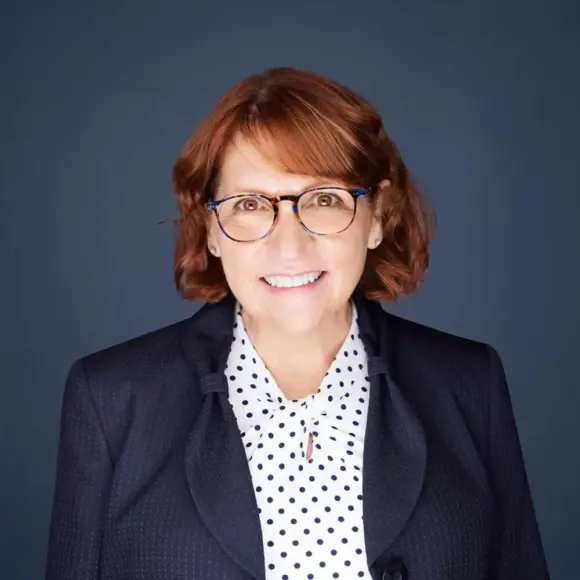
Kelly Priegnitz
Chief Legal & Compliance Officer
Accreditations

The Commission on Accreditation of Rehabilitation Facilities (CARF) is a non-profit organization that specifically accredits rehab organizations. Founded in 1966, CARF's, mission is to help service providers like rehab facilities maintain high standards of care.
CARF Accreditation: Yes
Accreditation Number: 233021

The Substance Abuse and Mental Health Services Administration (SAMHSA) is a branch of the U.S. Department of Health and Human Services. Established in 1992 by congress, SAMHSA's mission is to reduce the impact of substance abuse and mental illness on American's communities.
SAMHSA Listed: Yes
Rehab.com regularly reviews this listing for accuracy but changes may occur between updates. For the most up-to-date information, please contact Miners Medical.
Contact Information

90 East Union Street
Suite 3
Wilkes-Barre, PA 18701
Get Help Now - 717-287-9194
Sponsored Helpline
Sponsored Helpline


