Symetria — Hurst Outpatient Rehab & Suboxone Clinic
1
Top 10 Rehab Centers In Hurst



















































































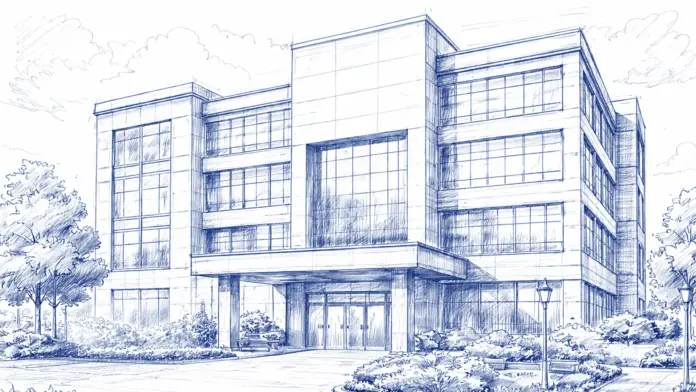
Modiv Behavioral is an outpatient behavioral support and substance use treatment provider in Frisco, Texas serving children, teens and adults.
The practice offers pediatric behavioral support, teen and adult behavior change, and special needs support, with addiction informed care that includes substance use behavior change and relapse prevention.
Founded by Melissa Taylor, a Clinical Behavior Analyst and Licensed Chemical Dependency Counselor, Modiv Behavioral takes a compassionate, evidence based and goal oriented approach.
Modiv Behavioral provides outpatient behavioral support, including individualized treatment planning and flexible follow up sessions scheduled weekly, biweekly or as needed.
For teens and adults, the practice addresses substance use behavior and relapse prevention using approaches such as applied behavior analysis, acceptance and commitment therapy, dialectical behavior therapy and rational emotive behavior therapy, exposure and response prevention, and habit reversal training.
The practice serves children, teens and adults, with addiction related support focused on teens and adults.
It also supports concerns like OCD and anxiety, tics and emotional dysregulation, perfectionism and burnout, along with individuals with autism, ADHD and other developmental differences.
Modiv Behavioral is an office based practice in a professional suite in Frisco, Texas. Services are available in person at the Frisco or Addison offices, or through telehealth for added flexibility.
Modiv Behavioral operates as a private pay practice, with sessions listed at $150 per hour for behavioral, teen/adult and special needs services.

 Our Methodology


After completing some form of inpatient care, many clients transition or step down to an outpatient rehab, while some choose to transition from detox directly into outpatient care. High-intensity outpatient programming, including partial hospitalization (PHP) and intensive outpatient (IOP) is widely available for clients in early recovery, those leaving detox, and those at an elevated relapse risk. Clients in outpatient care generally engage in robust addiction counseling and recovery education, and some also receive medication assisted treatment (MAT).
Substance abuse treatment is available in Texas for anyone who's struggling with drug or alcohol addiction. These programs usually provide a comprehensive assessment and individualized treatment plan, and include evidence-based treatments, like therapies such as cognitive-behavioral therapy (CBT) to reframe unhelpful coping strategies, and dialectical behavior therapy (DBT) to help with emotional regulation and stress.
Teen programs are designed to address the unique pressures teens face, pressures that can drive them to experiment with dangerous, addictive substances. They need programs that meet them exactly where they are and give them tools for long-term recovery. Therapy can help teenagers understand and work through underlying issues so they can reclaim the life ahead of them.
Adult rehab programs include therapies tailored to each client's specific needs, goals, and recovery progress. They are tailored to the specific challenges adult clients may face, including family and work pressures and commitments. From inpatient and residential treatment to various levels of outpatient services, there are many options available. Some facilities also help adults work through co-occurring conditions, like anxiety, that can accompany addiction.
The providers who specialize in the children's rehab space understand the specialized needs that this population faces. School-based and social services such as tutoring and family counseling are often central to treatment. Child programs may also address the needs of youth experiencing substance abuse in the home, including a parent's or sibling's addiction.
Treatment that takes a dialectical behavior therapy approach focuses on four strategies. Distress tolerance will help you accept and tolerate intense emotions. Emotional regulation will teach you to manage those emotions. Mindfulness will keep you in the present moment instead of regret or worry. Interpersonal effectiveness will teach you to manage your relationships.
Rational behavior therapy is incorporated into drug and alcohol addiction treatment in Texas to help you recognize and change distorted thinking patterns that are often a root cause of addictive behavior. Using a structured and goal oriented approach, you learn rational thinking and emotional regulation to support healthy coping strategies and promote sustained recovery.
Rehab.com regularly reviews this listing for accuracy but changes may occur between updates. For the most up-to-date information, please contact Modiv Behavioral.

5300 Town and Country Blvd Suite 240, Frisco, TX 75034
Sponsored Helpline

Try Modiv Behavioral for your therapy needs!
 Back
Back
Sharing your insights and experiences can help others learn more about this rehab center.