









Ashwood Recovery – Outpatient
1
Top 10 Rehab Centers In Boise










































Never 2 Late Recovery is an addiction treatment center in Lakewood, Washington. The center works with people affected by addiction and trauma, including those with justice involvement.
They offer outpatient treatment at ASAM Level 1.0 and intensive outpatient treatment at ASAM Level 2.1. Sessions can be in person at the Lakewood office, by secure telehealth for anyone in Washington, or both.
The clinicians are licensed and hold LMHC, SUDP and CCTP credentials. An SUDP is a substance use disorder professional, and a CCTP is a certified clinical trauma professional trained to treat trauma. Never 2 Late Recovery is a Washington State-certified agency.
Never 2 Late Recovery completes substance use assessments that follow ASAM standards and WAC, the administrative code in Washington. Compliance reports go to courts and to attorneys, along with probation and public defenders.
Alcohol and Drug Information School, called ADIS, is a separate state-approved educational class, and courts often require it for a DUI and for other court cases. Individual therapy covers anxiety, depression and trauma. In the intensive outpatient program, group therapy meets multiple times each week, while the outpatient program holds group counseling weekly.
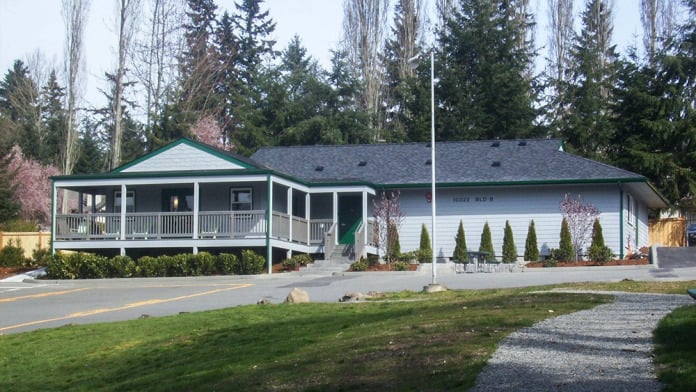
The Lakewood office is about fifteen minutes from Tacoma’s downtown, with free parking. If insurance is the worry, the center is in network with major health plans in Washington, including Washington Apple Health (Medicaid), Medicare, TriWest / VA and TRICARE for Life, and self-pay rates are available.


 Our Methodology


Private insurance refers to any kind of healthcare coverage that isn't from the state or federal government. This includes individual and family plans offered by an employer or purchased from the Insurance Marketplace. Every plan will have different requirements and out of pocket costs so be sure to get the full details before you start treatment.
Self-pay involves paying for treatment out of your own pocket. You can use savings or credit, get a personal loan, or receive help from family and friends to fund your treatment. If you don't have insurance or your insurance plan doesn't cover a specific program, self-pay can help ensure you still get the care you need.
Medicaid is a state based program that helps lower-income individuals and families pay for healthcare. Medicaid covers addiction treatment so those enrolled can use their coverage to pay for rehab. When a program accepts Medicaid the client often pays very little or nothing out of their own pocket.
Medicare is a federal program that provides health insurance for those 65 and older. It also serves people under 65 with chronic and disabling health challenges. To use Medicare for addiction treatment you need to find a program that accepts Medicare and is in network with your plan. Out of pocket costs and preauthorization requirements vary, so always check with your provider.
Clients enrolled in an outpatient rehab program typically engage in multiple therapeutic sessions each week, but reside in their own homes and communities while receiving care. Outpatient treatment typically involves extensive addiction counseling, including family and group therapy. Most programs also emphasize recovery-focused life skills training and medical, mental health, and social support services to promote clients' sustained sobriety. Evening, night, weekend, and virtual services are widely available to accommodate the schedules of working professionals, students, and caregivers.
Intensive outpatient programs (IOP) are frequently used to facilitate clients' transition from inpatient to outpatient care. Clients who are more stable may also choose to enter IOP rather than a residential rehab following detox. Intensive outpatient treatment typically consists of nine to 20 therapeutic hours per week, with services ranging from psychotherapy to recovery education to holistic care. Many programs offer medication assisted treatment (MAT) for opioid and/or alcohol addiction.
Telehealth in Washington gives you the option to receive treatment remotely. Instead of visiting a counselor or doctor in person, you can schedule a video call or phone call. Telehealth technology also allows your healthcare provider to monitor your physical condition remotely.
Alcoholism is a chronic condition that often includes periods of relapse. A person with his alcohol addiction has become physically and/or psychologically dependent on alcohol. Often, alcohol use disorders occur alongside other mental health disorders. It is important to receive dual diagnosis treatment for both. Alcohol rehab in Washington can address co-occurring disorders through a variety of behavioral therapies and evidence-based approaches.
Effective drug rehab in Washington integrates care for the whole person, offering comprehensive solutions to addiction. Treatment methods address mental, physical, and relational aspects of substance abuse.
 Opioid Addiction
Inpatient and outpatient drug and alcohol rehabs are typically the best option if you're looking for substance abuse treatment in Washington. These programs employ evidence-based therapies such as cognitive-behavioral therapy (CBT), dialectical behavior therapy (DBT), and holistic approaches to help you overcome addiction, enhance your coping skills, and promote your mental health. Together, you'll learn the vital skills to support long-term sobriety and overall well-being.
Mental health counseling is offered here. You'll get individual therapy for anxiety, depression and trauma, plus co-occurring support for substance use and mental health together.
Adult rehab programs include therapies tailored to each client's specific needs, goals, and recovery progress. They are tailored to the specific challenges adult clients may face, including family and work pressures and commitments. From inpatient and residential treatment to various levels of outpatient services, there are many options available. Some facilities also help adults work through co-occurring conditions, like anxiety, that can accompany addiction.
You can get individual therapy for anxiety, depression and trauma, plus more. You can use it for those concerns.
Group therapy is a safe space that offers you a confidential environment to openly discuss your challenges with addiction and the progress you're making without fear of judgment. Group therapy participants share responsibility for recovery, which fosters a collective commitment to sobriety.
Often, substance use disorder originates with negative thinking patterns. Cognitive behavioral therapy in Washington is designed to help individuals change these patterns of thought, which leads to changes in behavior and freedom from addiction.
Trauma is covered in individual therapy, along with anxiety, depression and more.
Rehab.com regularly reviews this listing for accuracy but changes may occur between updates. For the most up-to-date information, please contact Never 2 Late Recovery.

5515 Steilacoom Blvd SW Ste 120, Lakewood, WA 98499
Sponsored Helpline

When I came to Never 2 Late, I had nothing — no license, no job, no plan, and a family I was on the outs with. They didn't just hand me a piece of paper and send me on my way. They walked with me. Victoria, Heather, and Monica know my name, they know my case, and they show up. They send my monthly reports to the court, they got my treatment verification to my probation officer, and they keep me in good standing with DSHS and keep my ABD benefits going. When I need something, they answer. That's not something you get everywhere. A lot of places give you 28 days and cut you loose. Here, they stay with you and they give you real responsibility — and they trust you with it. Since I started, my life looks different. On November 17th, I'll have four months clean. I'm in good standing with my family again. I get to spend time with my kids. I got my driver's license back. I'm saving money and paying my rent ahead of time. I'm starting my own moving company, and I'm leaning towards becoming a certified peer support specialist so I can turn around and help the next person the way they helped me. I almost counted myself out. Don't do that to yourself. One call is all it takes to start.

Never 2 Late Recovery is and has been a great experience for IOP I highly recommend utilizing their services. The staff are friendly and will get you the help that you need.

It's nothing that I've have faced before. Learning each other and covering all of the important moments we waisted on usage of drugs and money. I'm happy to be joined together all at one place plus anywhere together. Sweet!!!!!

This recovery program has changed my life completely it's shown me where I've come from and how to truly become not only sober but a better man for myself and my family. These ladies have been so very great to me in every way possible and helped me create coping skills to better my life. I will always be grateful.
 Back
Sharing your insights and experiences can help others learn more about this rehab center.
Outpatient treatment is ASAM Level 1.0. Intensive outpatient treatment is ASAM Level 2.1. You can do sessions by secure telehealth anywhere in Washington, in person at the Lakewood office or a mix. Co-occurring support covers substance use and mental health, a form of co-occurring disorders care.
You’re in network with Kaiser Permanente and Wellpoint. Aetna is in network, and so are Cigna / Evernorth and Coordinated Care / Ambetter. Community Health Plan of Washington is too. Medicare and Washington Apple Health (Medicaid) are in network. Regence / HMA and TriWest / VA are too, along with TRICARE for Life and Wellcare. Self-pay rates are available. See treatment for veterans for that specialty.
It’s for people with justice involvement, addiction and trauma. You can get DUI assessments, court-ordered assessments, outpatient treatment, IOP and mental health counseling. ADIS classes are offered too.
You can attend at the Lakewood office. It’s about fifteen minutes from downtown Tacoma. Parking is free there. Scheduling can often happen within the same week.