






























































































I said I have a cab outside and they still took their sweet time to file my report, almost intentionally. I put formal complaint but the world wide web must know they have no regard for their client's time.
About New Season Treatment Center – Penobscot
Medication assisted treatment (MAT) with methadone can help alleviate cravings and withdrawal symptoms associated with quitting opioids like fentanyl, heroin, codeine and others. Their outpatient program offers a blended approach with proven therapeutic interventions as you live at home. You can address addiction’s physical and psychological effects to change your behaviors and gain essential coping skills.
For me, their take home dosing really stood out. MAT requires daily doses of methadone or other FDA approved medications. They simplify the treatment process by providing take-home privileges after you meet certain criteria. That way you won’t have to attend their clinic daily to stay on top of dosing. Additionally, you’ll have the flexibility to work on other essential recovery aspects.
Another great feature I noticed was their Engage mobile app. They ensure you can stay up to date with appointments and payments. You can access wait time info, appointment scheduling, counseling sessions and doctor’s visit reminders and more. You can even contact your recovery team using the app. I think this is a nice feature because it offers convenience and helps you stay connected and engaged in your care process.
Lastly, I think it’s great that they offer treatment referrals. They know that outpatient care may not be the best fit depending on your unique situation. Their dedicated team ensures you get the help you need by connecting you to higher levels of care to fit your needs.
Latest Reviews
It's a great place to go to get some knowledge about different addictions and get some help.
Very helpful, except the hours are wrong, got there at open (5am) but they wouldn't let us in until 5:15 they were supposed to change hours from 5-1;30 but kept the morning hours 5:15/5:30
Response from the owner1 week ago
Hi Brittany, we apologize for any difficulties you may have encountered and endeavor to ensure that accurate information regarding schedules remains available to patients. We're glad your experience with us has been largely positive and we hope to continue working to your satisfaction. Thank you for leaving a review recommending us to others!
I recently had to courtesy dose here from Arizona and I will say I will never choose a different place when going back home to visit. They were awesome, worked hard to get me settled in and were super easy to work with. Also because I have take homes within my own home clinic my counselor was able to get me take homes there to make my trip that much easier. I’m thankful for the kind welcome and Henry’s hard work getting me set up!
Response from the owner1 week ago
Hello, thank you for your kind words. We’re glad to hear that your experience with the team at New Season Treatment Center in the Penobscot area has been positive. It means a lot to us to know that we’ve been able to provide the standard of compassionate care that all New Season centers strive for and we thank you for leaving a review recommending us to others. 
Rehab Score
 Our Methodology
Scoring is assigned by a proprietary system which helps surface key metrics that determine quality. The 10-point scale factors in categories such as operations, customer satisfaction, and trust metrics. Read Full Methodology

7.4 / 10
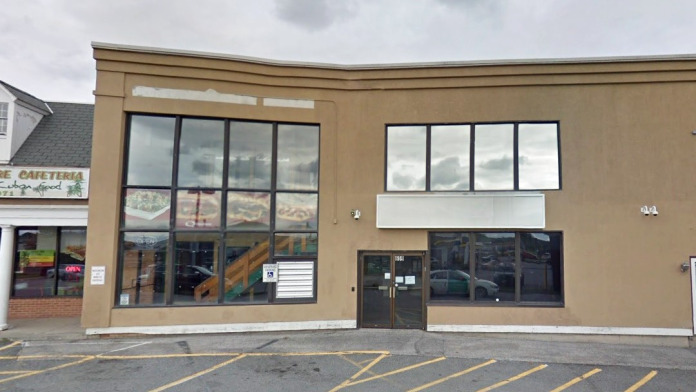
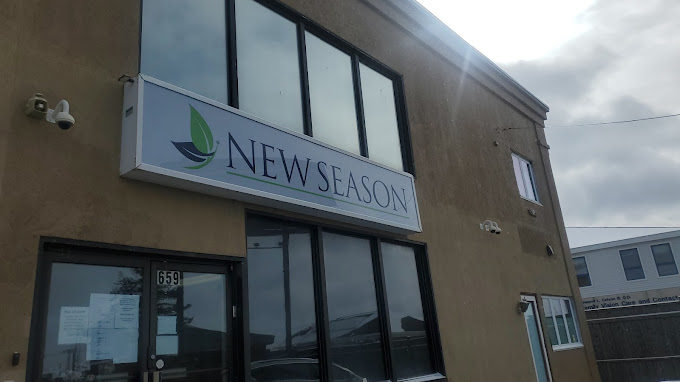
Gallery
Other Forms of Payment
Private insurance refers to any kind of healthcare coverage that isn't from the state or federal government. This includes individual and family plans offered by an employer or purchased from the Insurance Marketplace. Every plan will have different requirements and out of pocket costs so be sure to get the full details before you start treatment.
Medicare is a federal program that provides health insurance for those 65 and older. It also serves people under 65 with chronic and disabling health challenges. To use Medicare for addiction treatment you need to find a program that accepts Medicare and is in network with your plan. Out of pocket costs and preauthorization requirements vary, so always check with your provider.
Medicaid is a state based program that helps lower-income individuals and families pay for healthcare. Medicaid covers addiction treatment so those enrolled can use their coverage to pay for rehab. When a program accepts Medicaid the client often pays very little or nothing out of their own pocket.
Addiction Treatments
Levels of Care
Outpatient Programs (OP) are for those seeking mental rehab or drug rehab, but who also stay at home every night. The main difference between outpatient treatment (OP) and intensive outpatient treatment (IOP) lies in the amount of hours the patient spends at the facility. Most of the time an outpatient program is designed for someone who has completed an inpatient stay and is looking to continue their growth in recovery. Outpatient is not meant to be the starting point, it is commonly referred to as aftercare.
Intensive outpatient programs (IOP) enable clients to remain in or return to their community while receiving high-level treatment. Most rehabs offering intensive outpatient treatment require clients to commit to a minimum of nine therapeutic hours per week, though clients who need more robust care often receive up to 20 hours of service weekly. Treatment modalities vary, but generally include psychotherapy, recovery education, evidence-based holistic therapies, and medication assisted treatment (MAT) for alcohol and/or opioid addiction.
Drug and alcohol addiction often takes a heavy toll on one's body. Over time, a physical dependence can develop, meaning the body physiologically needs the substance to function. Detox is the process of removing drugs and/or alcohol from the body, a process that can be lethal if mismanaged. Medical detox is done by licensed medical professionals who monitor vital signs and keep you safe, healthy, and as comfortable as possible as you go through detox and withdrawal.
Treatments
The goal of treatment for alcoholism is abstinence. Those with poor social support, poor motivation, or psychiatric disorders tend to relapse within a few years of treatment. For these people, success is measured by longer periods of abstinence, reduced use of alcohol, better health, and improved social functioning. Recovery and Maintenance are usually based on 12 step programs and AA meetings.
Drug rehab in Maine is the process of helping someone learn how to live without the use of substances. Professional staff provide treatment to address the various issues of addiction. Methods often involve medication, counseling, and evidence-based therapies.
Opioid rehabs specialize in supporting those recovering from opioid addiction. They treat those suffering from addiction to illegal opioids like heroin, as well as prescription drugs like oxycodone. These centers typically combine both physical as well as mental and emotional support to help stop addiction. Physical support often includes medical detox and subsequent medical support (including medication), and mental support includes in-depth therapy to address the underlying causes of addiction.
Substance rehabs focus on helping individuals recover from substance abuse, including alcohol and drug addiction (both illegal and prescription drugs). They often include the opportunity to engage in both individual as well as group therapy.
Programs
Adult rehab programs include therapies tailored to each client's specific needs, goals, and recovery progress. They are tailored to the specific challenges adult clients may face, including family and work pressures and commitments. From inpatient and residential treatment to various levels of outpatient services, there are many options available. Some facilities also help adults work through co-occurring conditions, like anxiety, that can accompany addiction.
Young adulthood can be an exciting, yet difficult, time of transition. Individuals in their late teens to mid-20s face unique stressors related to school, jobs, families, and social circles, which can lead to a rise in substance use. Rehab centers with dedicated young adult programs will include activities and amenities that cater to this age group, with an emphasis on specialized counseling, peer socialization, and ongoing aftercare.
Clinical Services
Research clearly demonstrates that recovery is far more successful and sustainable when loved ones like family members participate in rehab and substance abuse treatment. Genetic factors may be at play when it comes to drug and alcohol addiction, as well as mental health issues. Family dynamics often play a critical role in addiction triggers, and if properly educated, family members can be a strong source of support when it comes to rehabilitation.
Group therapy is any therapeutic work that happens in a group (not one-on-one). There are a number of different group therapy modalities, including support groups, experiential therapy, psycho-education, and more. Group therapy involves treatment as well as processing interaction between group members.
In individual therapy, a patient meets one-on-one with a trained psychologist or counselor. Therapy is a pivotal part of effective substance abuse treatment, as it often covers root causes of addiction, including challenges faced by the patient in their social, family, and work/school life.
Staff & Accreditations
Staff
Christopher Rieder, BSBA, MBA
CIO
Accreditations

The Commission on Accreditation of Rehabilitation Facilities (CARF) is a non-profit organization that specifically accredits rehab organizations. Founded in 1966, CARF's, mission is to help service providers like rehab facilities maintain high standards of care.
CARF Accreditation: Yes

The Substance Abuse and Mental Health Services Administration (SAMHSA) is a branch of the U.S. Department of Health and Human Services. Established in 1992 by congress, SAMHSA's mission is to reduce the impact of substance abuse and mental illness on American's communities.
SAMHSA Listed: Yes
Rehab.com regularly reviews this listing for accuracy but changes may occur between updates. For the most up-to-date information, please contact New Season Treatment Center – Penobscot.
Contact Information

659 Hogan Rd
Bangor, ME 04401
Get Help Now - 207-805-9392
Sponsored Helpline
Sponsored Helpline



