
























































































About Nuestra Clinica Rehabilitacion
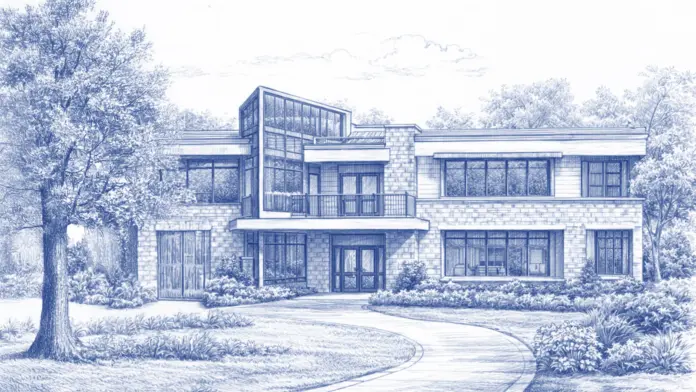
Located in Lancaster, Pennsylvania, is Nuestra Clínica Rehabilitación. This is a high intensity residential treatment program that helps adults struggling with a substance use disorder.
Other services available here include HIV testing and education, psychiatric and medical treatment, well as referrals for more specialized care and 12-step programming. They provide supportive treatment in both English and Spanish. They accept private insurance along with managed Medicaid plans.
Culturally Competent Addiction Treatment
Nuestra Clínica Rehabilitación is focused on supporting community members who might otherwise face obstacles to quality addiction treatment. One way this is done is through culturally competent care for Spanish speakers and their family members. All of their services are available in Spanish, and the staff is multicultural, making you feel comfortable in your treatment plan.
Recovery Through Family Support
There’s a strong focus on community building and mending relationships with your family and loved ones. They have a weekend family program where your loved ones can visit and spend quality time with you. They also offer transportation services to and from the clinic that can help make access for you and your family easier.
Recovery for the Long Term
It’s evidence based services that will support you here, but the wraparound programs set you up for success in the long term. For example, there are referrals for vocational and employment development so that you can learn tangible, applicable skills that will help you lead an independent life.
You will also be supported through aftercare planning, in which recovery steps will be outlined for you to follow once you complete your treatment here. For some people, this might mean stepping down to an outpatient program, whether it’s through this organization or another partner program. For others, it might be transitioning into sober living housing, a support the care team here can help you get connected to as well.
Latest Reviews



Rehab Score
 Our Methodology


Location
Accepted Insurance

Other Forms of Payment
Medicaid is a state based program that helps lower-income individuals and families pay for healthcare. Medicaid covers addiction treatment so those enrolled can use their coverage to pay for rehab. When a program accepts Medicaid the client often pays very little or nothing out of their own pocket.
Private insurance refers to any kind of healthcare coverage that isn't from the state or federal government. This includes individual and family plans offered by an employer or purchased from the Insurance Marketplace. Every plan will have different requirements and out of pocket costs so be sure to get the full details before you start treatment.
Self-pay involves paying for treatment out of your own pocket. You can use savings or credit, get a personal loan, or receive help from family and friends to fund your treatment. If you don't have insurance or your insurance plan doesn't cover a specific program, self-pay can help ensure you still get the care you need.
Financial aid can take many forms. Centers may have grants or scholarships available to clients who meet eligibility requirements. Programs that receive SAMHSA grants may have financial aid available for those who need treatment as well. Grants and scholarships can help you pai for treatment without having to repay.
Sliding scale payments are based on a client's income and family size. The goal is to make treatment affordable to everyone. By taking these factors into account, addiction recovery care providers help ensure that your treatment does not become a financial burden to you or your family, eliminating one barrier to care.
Addiction Treatments
Levels of Care
Drug and alcohol addiction often takes a heavy toll on one's body. Over time, a physical dependence can develop, meaning the body physiologically needs the substance to function. Detox is the process of removing drugs and/or alcohol from the body, a process that can be lethal if mismanaged. Medical detox is done by licensed medical professionals who monitor vital signs and keep you safe, healthy, and as comfortable as possible as you go through detox and withdrawal.
Residential treatment programs are those that offer housing and meals in addition to substance abuse treatment. Rehab facilities that offer residential treatment allow patients to focus solely on recovery, in an environment totally separate from their lives. Some rehab centers specialize in short-term residential treatment (a few days to a week or two), while others solely provide treatment on a long-term basis (several weeks to months). Some offer both, and tailor treatment to the patient's individual requirements.
Treatments
The goal of treatment for alcoholism is abstinence. Those with poor social support, poor motivation, or psychiatric disorders tend to relapse within a few years of treatment. For these people, success is measured by longer periods of abstinence, reduced use of alcohol, better health, and improved social functioning. Recovery and Maintenance are usually based on 12 step programs and AA meetings.
Drug rehab in Pennsylvania is devoted to the treatment of addiction. Levels of care, treatment methods, and settings differ, but the aim of each program is to end drug dependency and empower participants to achieve long-term recovery.
Many of those suffering from addiction also suffer from mental or emotional illnesses like schizophrenia, bipolar disorder, depression, or anxiety disorders. Rehab and other substance abuse facilities treating those with a dual diagnosis or co-occurring disorder administer psychiatric treatment to address the person's mental health issue in addition to drug and alcohol rehabilitation.
Opioid rehabs specialize in supporting those recovering from opioid addiction. They treat those suffering from addiction to illegal opioids like heroin, as well as prescription drugs like oxycodone. These centers typically combine both physical as well as mental and emotional support to help stop addiction. Physical support often includes medical detox and subsequent medical support (including medication), and mental support includes in-depth therapy to address the underlying causes of addiction.
Substance rehabs focus on helping individuals recover from substance abuse, including alcohol and drug addiction (both illegal and prescription drugs). They often include the opportunity to engage in both individual as well as group therapy.
Programs
Adult rehab programs include therapies tailored to each client's specific needs, goals, and recovery progress. They are tailored to the specific challenges adult clients may face, including family and work pressures and commitments. From inpatient and residential treatment to various levels of outpatient services, there are many options available. Some facilities also help adults work through co-occurring conditions, like anxiety, that can accompany addiction.
Young adulthood can be an exciting, yet difficult, time of transition. Individuals in their late teens to mid-20s face unique stressors related to school, jobs, families, and social circles, which can lead to a rise in substance use. Rehab centers with dedicated young adult programs will include activities and amenities that cater to this age group, with an emphasis on specialized counseling, peer socialization, and ongoing aftercare.
Staff
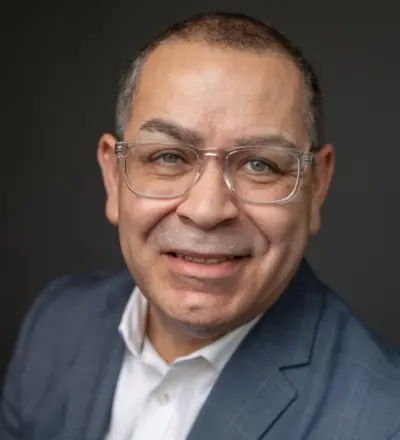
Jose R Lopez
CEO
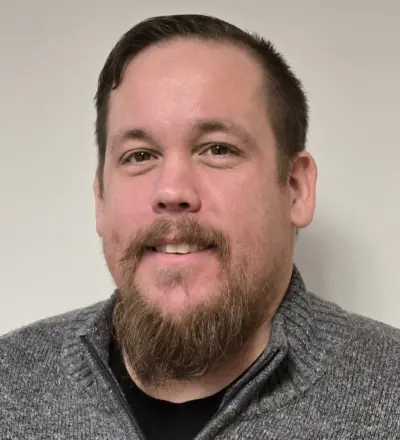
Ryan Ellis
CFO
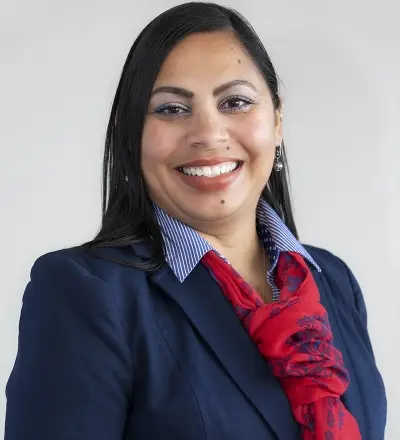
Sandra Valdez
Chief Human Services Officer
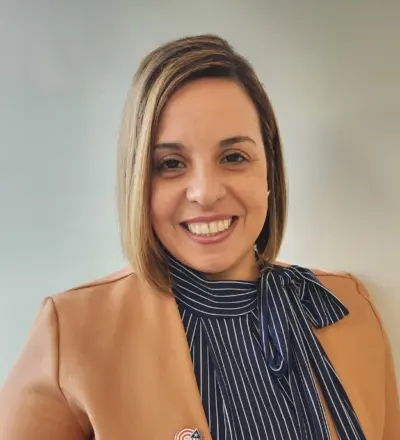
Marlyn Barbosa
Chief Workforce Development Officer
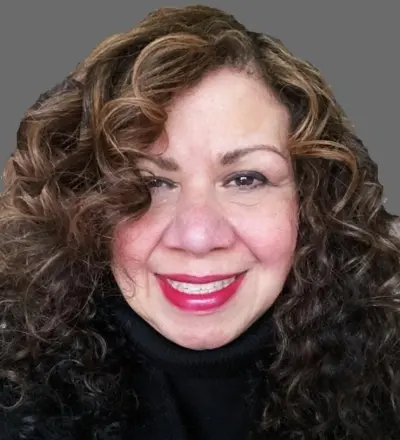
E. Lanny Friedman, MLER
Chief Human Resources Officer
Marlyn Barbosa
Chief Workforce Development Officer
Rehab.com regularly reviews this listing for accuracy but changes may occur between updates. For the most up-to-date information, please contact Nuestra Clinica Rehabilitacion.
Contact Information


50 East New street
Lancaster, PA 17602
Sponsored Helpline


