






























































































Very kind and caring staff, wonderful place their services are very helpful. Has truly saved my life.
About Pathways Inc.
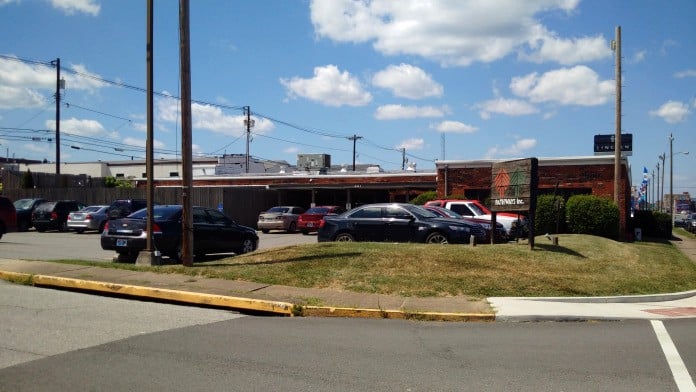
In Ashland, Kentucky Pathways is an outpatient addiction treatment center that has also been a community mental health clinic since 1967.
The clinic admits children, adolescents and adults. It is a Certified Community Behavioral Health Clinic which is a designation for clinics that treat substance use and mental health together.
Adults who have substance use and a behavioral health problem can get care for both in their Dual Diagnosis Program.
Matrix Model Care in Ashland
Sessions in the intensive outpatient program follow the Matrix Model. This offers a structured curriculum for outpatient rehab. Each week includes at least three hours of care on three days and the program includes at least 24 sessions.
The intensive outpatient therapy is virtual so those hours do not require a trip to the clinic. This can help people who can’t step away from their lives for a clinic visit and need remote access.
Medication for Opioid Use
Pathways offers Vivitrol and Suboxone to people with an opioid use disorder. Prescriber services are available by telehealth along with individual and group therapy.
A sliding fee scale is available for people who qualify but the clinic does not refuse services because someone cannot pay. People of every age can walk in to the Ashland clinic and a toll free line for emergencies runs around the clock.
Facility Overview
 15 - 30
 Avg Length of Stay in Days
Latest Reviews
This place has seen me at my lowest point and helped build me up over the last 2 years, I'm so grateful to know them and anytime I'm there they always do whatever they can to make someone feel welcomed, supported and prepared for the next steps regardless of what position you came in from. Theyve helped me with everything; mania, Sui. Ideation, recovery, helping me leave an abusive relationship in homelessness.. I've made supportive friends I still talk from the last 2 years. Pathways has helped me so much and it's always my first choice when facing crisis. The staff truly care, the facility is clean and comfortable, the food is always amazing. 10/10 place to be when you need a hand up 💛
A great place for those that actually need it.
These guys are absolutely tremendous and provide an incredible service. Cannot say enough good about them. I’ve been working through my things with them for going on three years, more for personal maintenance than peer/crisis support. They’re always there. Always consistent.
I could mention names on the 24 hour crisis line, but they know who they are that do wonders for for me.
Only love for Pathways of Ashland, Kentucky.

Rehab Score
 Our Methodology
Scoring is assigned by a proprietary system which helps surface key metrics that determine quality. The 10-point scale factors in categories such as operations, customer satisfaction, and trust metrics. Read Full Methodology

7.6 / 10
Gallery
Accepted Insurance
Other Forms of Payment
Medicaid is a state based program that helps lower-income individuals and families pay for healthcare. Medicaid covers addiction treatment so those enrolled can use their coverage to pay for rehab. When a program accepts Medicaid the client often pays very little or nothing out of their own pocket.
Private insurance refers to any kind of healthcare coverage that isn't from the state or federal government. This includes individual and family plans offered by an employer or purchased from the Insurance Marketplace. Every plan will have different requirements and out of pocket costs so be sure to get the full details before you start treatment.
Self-pay involves paying for treatment out of your own pocket. You can use savings or credit, get a personal loan, or receive help from family and friends to fund your treatment. If you don't have insurance or your insurance plan doesn't cover a specific program, self-pay can help ensure you still get the care you need.
Financial aid can take many forms. Centers may have grants or scholarships available to clients who meet eligibility requirements. Programs that receive SAMHSA grants may have financial aid available for those who need treatment as well. Grants and scholarships can help you pai for treatment without having to repay.
Sliding scale payments are based on a client's income and family size. The goal is to make treatment affordable to everyone. By taking these factors into account, addiction recovery care providers help ensure that your treatment does not become a financial burden to you or your family, eliminating one barrier to care.
Medicare is a federal program that provides health insurance for those 65 and older. It also serves people under 65 with chronic and disabling health challenges. To use Medicare for addiction treatment you need to find a program that accepts Medicare and is in network with your plan. Out of pocket costs and preauthorization requirements vary, so always check with your provider.
Military members, veterans, and eligible dependents have access to specific insurance programs that help them get the care they need. TRICARE and VA insurance can help you access low cost or no cost addiction and mental health treatment. Programs that accept military insurance often have targeted treatment focused on the unique challenges military members, veterans, and their families face.
Addiction Treatments
Levels of Care
The outpatient side runs several named services: Assertive Community Treatment, known as ACT, community support services and a Dual Diagnosis program.
Pathways' Intensive Outpatient Program (IOP) runs virtually. In this intensive outpatient program, a person meets with a therapist at least 3 hours on 3 days each week and completes a minimum of 24 sessions.
Inpatient rehab is designed primarily for clients exiting detox, those in early recovery, and those in crisis situations that may increase their risk of relapse. Clients reside at the inpatient treatment center for the length of the program, which may range from two weeks to more than 18 months, depending on the program design. Inpatient treatment typically includes 24-hour clinical care and extensive addiction counseling and recovery education using CBT, DBT, RBT, motivational interviewing or other psychotherapeutic approaches.
Intensive levels of rehab involve 24-hour clinical care in Kentucky. This level of care is for those who have severe substance use disorders and need medical stabilization. Drug dependency can cause extreme withdrawal symptoms when the drug use stops, so this supervised care is necessary to treat those symptoms. Treatment involves 24-hour medical care, counseling, and medications.
Modern telehealth options in Kentucky include teleconsultations and remote patient monitoring. A teleconsultation allows you to get advice from a physician via phone call or video call. Remote patient monitoring allows you to wear a sensor that transmits your health information to a healthcare provider.
Treatments
The goal of treatment for alcoholism is abstinence. Those with poor social support, poor motivation, or psychiatric disorders tend to relapse within a few years of treatment. For these people, success is measured by longer periods of abstinence, reduced use of alcohol, better health, and improved social functioning. Recovery and Maintenance are usually based on 12 step programs and AA meetings.
Drug rehab in Kentucky often starts with detox, then includes inpatient or outpatient treatment, and continues with aftercare support. Specific methods used during each of these phases varies, but often include individual and group counseling, medication, and recreational therapies.
For people diagnosed with an opioid use disorder, Pathways offers Vivitrol and Suboxone as part of its opioid addiction treatment.
Substance rehabs focus on helping individuals recover from substance abuse, including alcohol and drug addiction (both illegal and prescription drugs). They often include the opportunity to engage in both individual as well as group therapy.
In Kentucky, dual-diagnosis addiction treatment programs prioritize comprehensive care for individuals with co-occurring substance use disorders and mental health conditions. Levels of care include residential rehab, detox, and intensive outpatient programs. Interventions like cognitive behavioral therapy, or dialectical behavioral therapy, therapy, education and family counseling treat both mental health conditions at the same time. The benefits of dual-diagnosis treatment are enhanced outcomes, improved health, and they provide you with the skills to maintain your sobriety and manage your mental health.
Inpatient addiction treatment means you will reside at the facility and receive rehab and mental health services. Comprehensive treatment programs include mental health aspects, medical and psychological support, experiential therapies, cognitive behavioral therapies (CBT), and various therapeutic interventions aimed at addressing addiction and improving mental health. Additionally, individual and group counseling are standard mental health offerings, as are relapse prevention education programs.
Programs
The Dual Diagnosis program is the adult track, designed for people who have both an alcohol or drug problem and a behavioral health problem.
Young adulthood can be an exciting, yet difficult, time of transition. Individuals in their late teens to mid-20s face unique stressors related to school, jobs, families, and social circles, which can lead to a rise in substance use. Rehab centers with dedicated young adult programs will include activities and amenities that cater to this age group, with an emphasis on specialized counseling, peer socialization, and ongoing aftercare.
Clinical Services
Research clearly demonstrates that recovery is far more successful and sustainable when loved ones like family members participate in rehab and substance abuse treatment. Genetic factors may be at play when it comes to drug and alcohol addiction, as well as mental health issues. Family dynamics often play a critical role in addiction triggers, and if properly educated, family members can be a strong source of support when it comes to rehabilitation.
Groups run at every outpatient location, and group therapy is also available by telehealth for those attending from home.
Individual treatment happens in every outpatient office, and it can also come by telehealth, the same route prescriber services take.
 Assertive Community Treatment
Peer Support
Staff & Accreditations
Staff
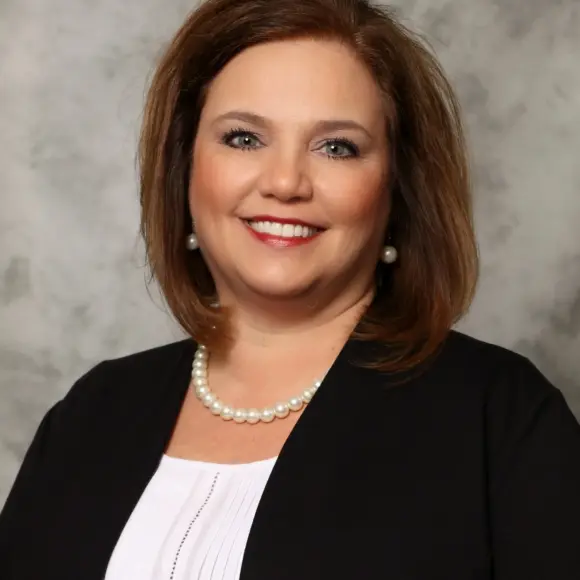
Jennifer J. Willis, RNBC
CEO
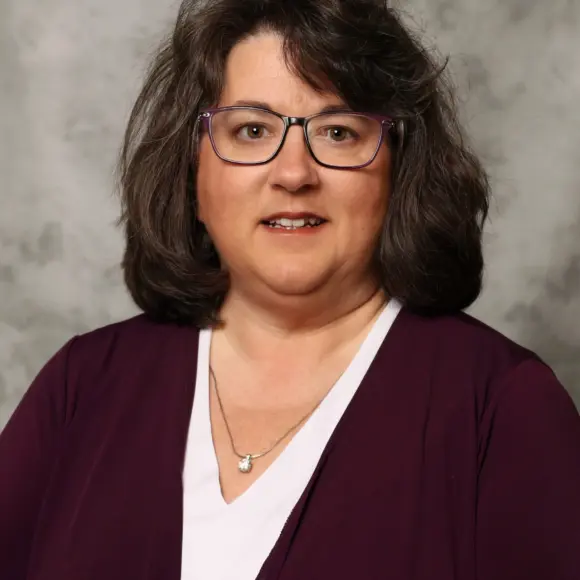
Betsy Jackson, M.S.
Chief Compliance Officer
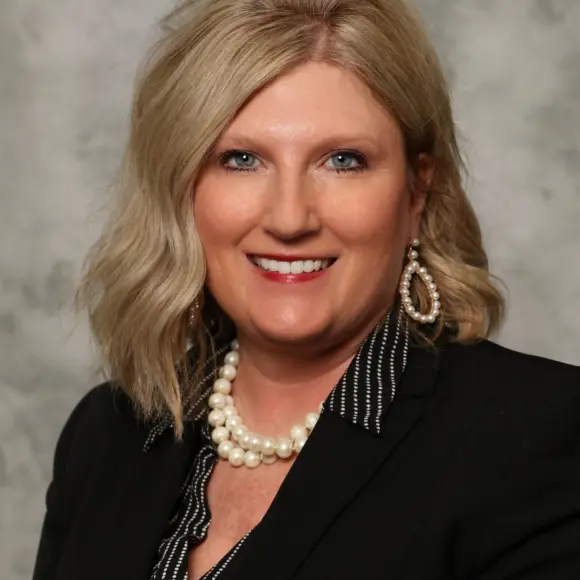
Jill Bond, CPA
CFO
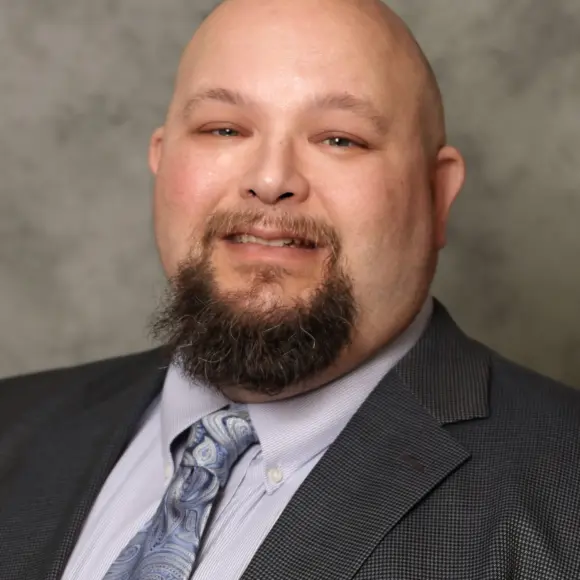
William F. Bottoms, Esq
General Counsel, Director of Human Resources
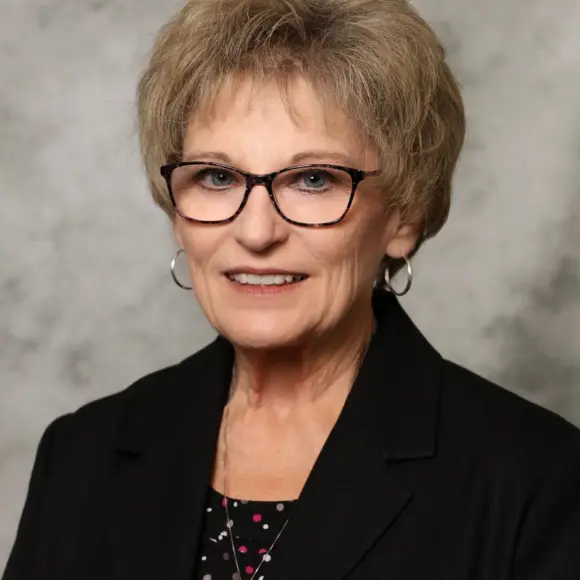
Ronne Nunley, M.A.
Chief Business Development Officer

Samuel G. Welch, M.D.
Medical Director
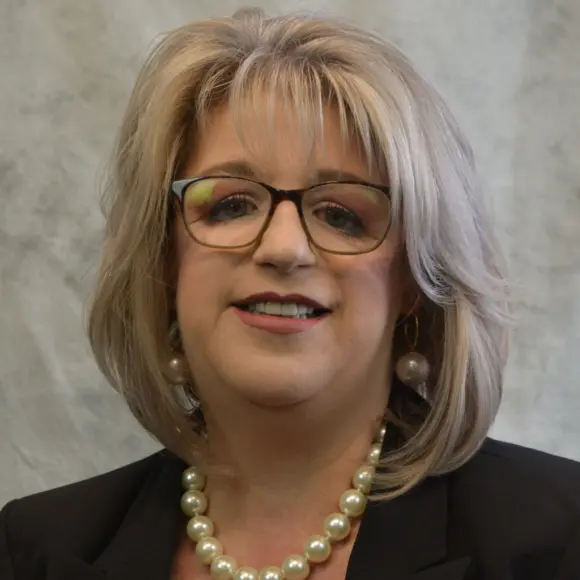
Tiffany Haney, MSW, LCSW
Director of Outpatient Services
Accreditations

The Commission on Accreditation of Rehabilitation Facilities (CARF) is a non-profit organization that specifically accredits rehab organizations. Founded in 1966, CARF's, mission is to help service providers like rehab facilities maintain high standards of care.
CARF Accreditation: Yes
Rehab.com regularly reviews this listing for accuracy but changes may occur between updates. For the most up-to-date information, please contact Pathways Inc..
Contact Information

201 22nd Street
Ashland, KY 41101
Get Help Now - 606-257-4949
Sponsored Helpline
Sponsored Helpline


