






























































































They are not committed to anything they say. I am very upset about his lack of professionalism and little interest in improving the mental health of people
About Pathways
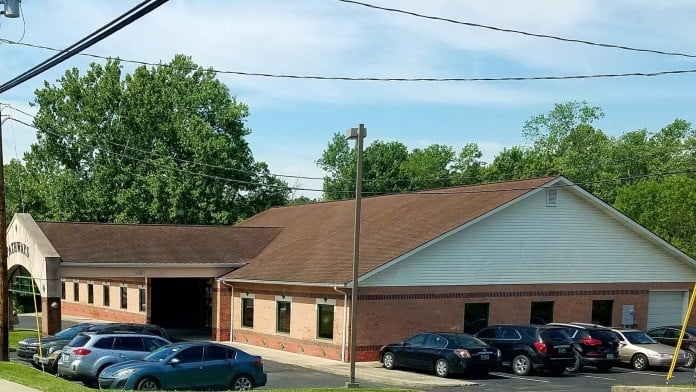
Pathways is an outpatient substance use treatment program in West Liberty, Kentucky, offering a range of behavioral health services to individuals seeking recovery from addiction and co-occurring mental health conditions.
The West Liberty location provides an Intensive Outpatient Program (IOP), Medication Assisted Treatment (MAT) for opioid use disorder and integrated mental health care.
Pathways emphasizes a community based, whole person approach that addresses both substance use and underlying mental health needs.
24/7 Medically Supported Treatment and Recovery
Pathways offers outpatient counseling and a structured Intensive Outpatient Program (IOP) for individuals managing substance use disorders. Clients can also access Medication Services for Opioid Use Disorder (MOUD/MAT), providing medically supported treatment as part of a comprehensive recovery plan.
Pathways also provides psychiatric services and medication management for those with dual diagnosis or co-occurring conditions, and telehealth options are available for some services.
Quick Facts: Pathways in West Liberty, KY
- Location: 767 North Main Street, West Liberty, Kentucky
- Levels of care: Outpatient counseling and Intensive Outpatient Program (IOP)
- Specialized services: MAT/MOUD for opioid use disorder, DUI programs and re-entry services for justice-involved individuals
- Dual diagnosis: Integrated mental health and substance use treatment available
- Therapy types: Individual, group, family counseling, case management and peer support
- Crisis support: 24/7 crisis intervention services available
- Telehealth: Select services offered remotely for added accessibility

Rehab Score
 Our Methodology
Scoring is assigned by a proprietary system which helps surface key metrics that determine quality. The 10-point scale factors in categories such as operations, customer satisfaction, and trust metrics. Read Full Methodology

3.7 / 10
Gallery
Accepted Insurance
Other Forms of Payment
Sliding scale payments are based on a client's income and family size. The goal is to make treatment affordable to everyone. By taking these factors into account, addiction recovery care providers help ensure that your treatment does not become a financial burden to you or your family, eliminating one barrier to care.
Medicaid is a state based program that helps lower-income individuals and families pay for healthcare. Medicaid covers addiction treatment so those enrolled can use their coverage to pay for rehab. When a program accepts Medicaid the client often pays very little or nothing out of their own pocket.
Medicare is a federal program that provides health insurance for those 65 and older. It also serves people under 65 with chronic and disabling health challenges. To use Medicare for addiction treatment you need to find a program that accepts Medicare and is in network with your plan. Out of pocket costs and preauthorization requirements vary, so always check with your provider.
Military members, veterans, and eligible dependents have access to specific insurance programs that help them get the care they need. TRICARE and VA insurance can help you access low cost or no cost addiction and mental health treatment. Programs that accept military insurance often have targeted treatment focused on the unique challenges military members, veterans, and their families face.
Addiction Treatments
Levels of Care
Outpatient Programs (OP) are for those seeking mental rehab or drug rehab, but who also stay at home every night. The main difference between outpatient treatment (OP) and intensive outpatient treatment (IOP) lies in the amount of hours the patient spends at the facility. Most of the time an outpatient program is designed for someone who has completed an inpatient stay and is looking to continue their growth in recovery. Outpatient is not meant to be the starting point, it is commonly referred to as aftercare.
Inpatient rehab is designed primarily for clients exiting detox, those in early recovery, and those in crisis situations that may increase their risk of relapse. Clients reside at the inpatient treatment center for the length of the program, which may range from two weeks to more than 18 months, depending on the program design. Inpatient treatment typically includes 24-hour clinical care and extensive addiction counseling and recovery education using CBT, DBT, RBT, motivational interviewing or other psychotherapeutic approaches.
Intensive outpatient programs (IOP) specialize in high-level care for clients requiring robust support. This includes those in early recovery, those in crisis, and those stepping down from inpatient care. Clients typically participate in a minimum of nine treatment hours per week, but many intensive outpatient rehabs offer up to 20 hours of service weekly. Their primary treatment modalities generally combine psychotherapy and recovery education. Medication assisted treatment (MAT) for alcohol and/or opioid recovery is widely available.
Often beneficial for individuals who don't require 24-hour supervision, a partial hospitalization program (PHP) can be an alternative to inpatient rehab or a transitional option. PHP treatment typically involves 6 to 8 hours of treatment per day, up to 5 days a week for an average of 90 days. PHP treatment often includes relapse prevention strategies, medication management, and other behavioral therapy interventions. While the cost of a partial hospitalization program can vary, it is often covered by insurance.
Intensive levels of rehab involve 24-hour clinical care in Kentucky. This level of care is for those who have severe substance use disorders and need medical stabilization. Drug dependency can cause extreme withdrawal symptoms when the drug use stops, so this supervised care is necessary to treat those symptoms. Treatment involves 24-hour medical care, counseling, and medications.
Treatments
Many of those suffering from addiction also suffer from mental or emotional illnesses like schizophrenia, bipolar disorder, depression, or anxiety disorders. Rehab and other substance abuse facilities treating those with a dual diagnosis or co-occurring disorder administer psychiatric treatment to address the person's mental health issue in addition to drug and alcohol rehabilitation.
Mental health rehabs focus on helping individuals recover from mental illnesses like bipolar disorder, clinical depression, anxiety disorders, schizophrenia, and more. Mental health professionals at these facilities are trained to understand and treat mental health issues, both in individual and group settings.
Programs
Adult rehab programs include therapies tailored to each client's specific needs, goals, and recovery progress. They are tailored to the specific challenges adult clients may face, including family and work pressures and commitments. From inpatient and residential treatment to various levels of outpatient services, there are many options available. Some facilities also help adults work through co-occurring conditions, like anxiety, that can accompany addiction.
Young adulthood can be an exciting, yet difficult, time of transition. Individuals in their late teens to mid-20s face unique stressors related to school, jobs, families, and social circles, which can lead to a rise in substance use. Rehab centers with dedicated young adult programs will include activities and amenities that cater to this age group, with an emphasis on specialized counseling, peer socialization, and ongoing aftercare.
Clinical Services
Cognitive behavioral therapy in Kentucky involves learning to recognize unhealthy thinking patterns and developing problem solving skills to cope with life's challenges. It will help you have greater confidence in your abilities so you can change your patterns of behavior and break free from substance abuse.
Typically, dialectical behavior therapy (DBT) in Kentucky involves four types of therapy sessions. You'll participate in a pre assessment, skills training in groups, individual therapy, and telephone crisis coaching. The goal is to improve your skills for coping with daily emotions and life challenges.
Group therapy is any therapeutic work that happens in a group (not one-on-one). There are a number of different group therapy modalities, including support groups, experiential therapy, psycho-education, and more. Group therapy involves treatment as well as processing interaction between group members.
In individual therapy, a patient meets one-on-one with a trained psychologist or counselor. Therapy is a pivotal part of effective substance abuse treatment, as it often covers root causes of addiction, including challenges faced by the patient in their social, family, and work/school life.
Several techniques are key to motivational interviewing in Kentucky. Your therapist will use open ended questions, affirm your strengths, reflect your responses back to you, and summarize your responses. This allows you to identify any discrepancies in your current situation and your future goals, which can motivate you to make changes.
Trauma therapy addresses traumatic incidents from a client's past that are likely affecting their present-day experience. Trauma is often one of the primary triggers and potential causes of addiction, and can stem from child sexual abuse, domestic violence, having a parent with a mental illness, losing one or both parents at a young age, teenage or adult sexual assault, or any number of other factors. The purpose of trauma therapy is to allow a patient to process trauma and move through and past it, with the help of trained and compassionate mental health professionals.
 Eye Movement Desensitization And Reprocessing
Research clearly demonstrates that recovery is far more successful and sustainable when loved ones like family members participate in rehab and substance abuse treatment. Genetic factors may be at play when it comes to drug and alcohol addiction, as well as mental health issues. Family dynamics often play a critical role in addiction triggers, and if properly educated, family members can be a strong source of support when it comes to rehabilitation.
Life skills equip you to obtain and maintain employment, establish healthy relationships, develop a healthy daily routine, manage your finances, and practice self care. Because these are an important part of successful recovery, life skills training should be an integral part of your rehab in Kentucky.
Amenities
-
 Residential Setting
 -
 Private Rooms
Staff & Accreditations
Staff
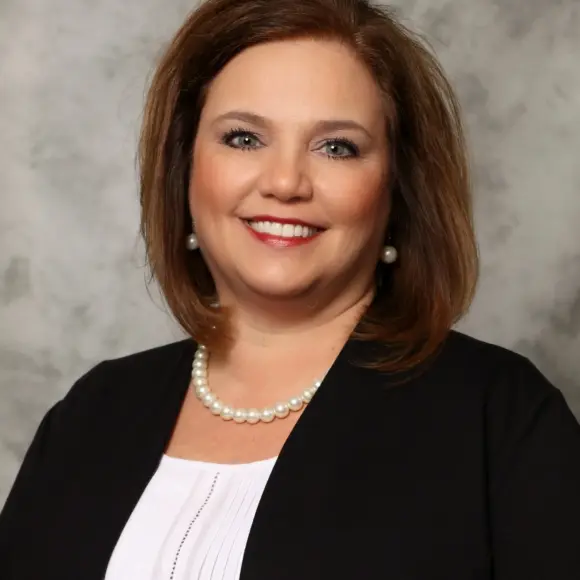
Jennifer J. Willis, RNBC
CEO

Megan Coffey
Executive Assistant to the CEO
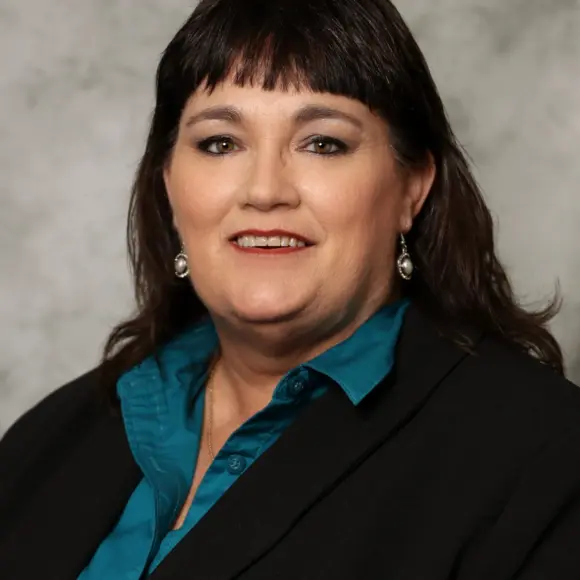
Rebecca Bauder, MA, LPCC
Director of Emergency Services
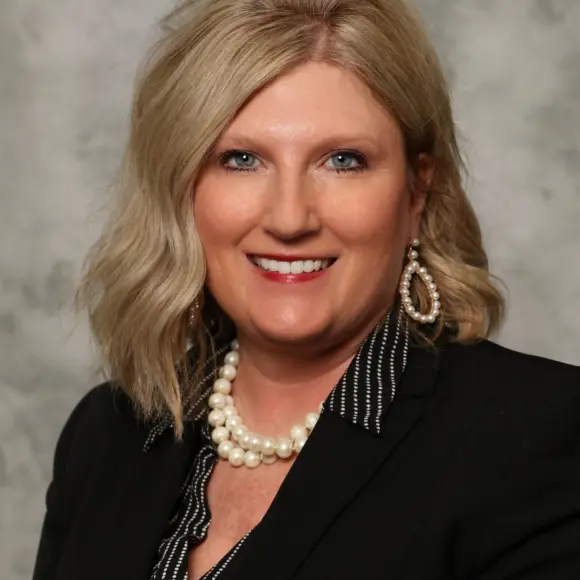
Jill Bond
CFO

Jeff Justice, B.A.
CIO
Accreditations

The Commission on Accreditation of Rehabilitation Facilities (CARF) is a non-profit organization that specifically accredits rehab organizations. Founded in 1966, CARF's, mission is to help service providers like rehab facilities maintain high standards of care.
CARF Accreditation: Yes
Rehab.com regularly reviews this listing for accuracy but changes may occur between updates. For the most up-to-date information, please contact Pathways.
Contact Information

767 North Main Street
West Liberty, KY 41472
Get Help Now - 606-257-4949
Sponsored Helpline
Sponsored Helpline


