





























































































About PCC Walk-In Wellness Center at West Suburban Medical Center
When you go to the walk in clinic, you’ll first get an evaluation. They help with alcohol, heroin, prescription pain pills, cigarettes, and other substances. They’ll offer medication assisted treatment (MAT) to help you reduce the severity of cravings and maintain sobriety if it’s appropriate. If you’re a new patient you can get your initial dose of MAT on your first visit.
You can get counseling and medication management through the behavioral health care program. They also have care services for pregnant women with substance use disorders for combined substance use and prenatal care services. You’ll get ultrasound monitoring for the baby and weekly visits. You can then deliver your baby at the West Suburban Medical Center.
PCC accepts Medicaid, All Kids, Medicare, and most major health plans. They won’t turn you away if you can’t pay and their financial counselors will help you navigate the system.
Latest Reviews



Rehab Score
 Our Methodology


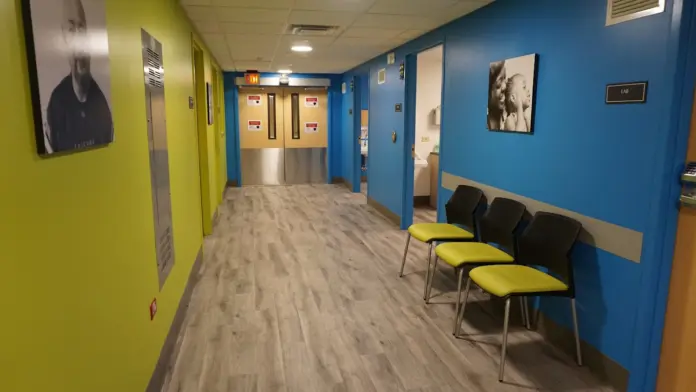
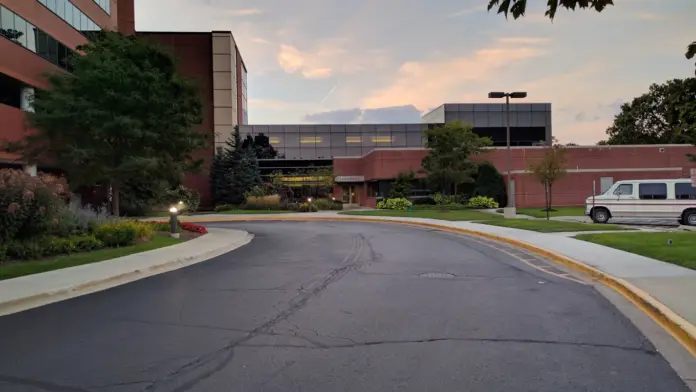
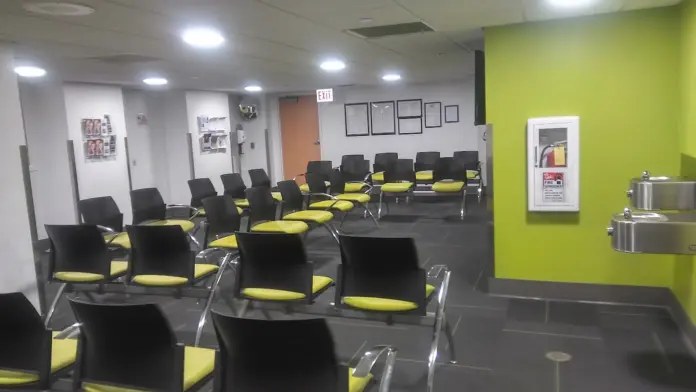
Gallery



Accepted Insurance
Other Forms of Payment
Private insurance refers to any kind of healthcare coverage that isn't from the state or federal government. This includes individual and family plans offered by an employer or purchased from the Insurance Marketplace. Every plan will have different requirements and out of pocket costs so be sure to get the full details before you start treatment.
Self-pay involves paying for treatment out of your own pocket. You can use savings or credit, get a personal loan, or receive help from family and friends to fund your treatment. If you don't have insurance or your insurance plan doesn't cover a specific program, self-pay can help ensure you still get the care you need.
Financial aid can take many forms. Centers may have grants or scholarships available to clients who meet eligibility requirements. Programs that receive SAMHSA grants may have financial aid available for those who need treatment as well. Grants and scholarships can help you pai for treatment without having to repay.
Sliding scale payments are based on a client's income and family size. The goal is to make treatment affordable to everyone. By taking these factors into account, addiction recovery care providers help ensure that your treatment does not become a financial burden to you or your family, eliminating one barrier to care.
Medicare is a federal program that provides health insurance for those 65 and older. It also serves people under 65 with chronic and disabling health challenges. To use Medicare for addiction treatment you need to find a program that accepts Medicare and is in network with your plan. Out of pocket costs and preauthorization requirements vary, so always check with your provider.
Medicaid is a state based program that helps lower-income individuals and families pay for healthcare. Medicaid covers addiction treatment so those enrolled can use their coverage to pay for rehab. When a program accepts Medicaid the client often pays very little or nothing out of their own pocket.
Addiction Treatments
Levels of Care
Outpatient Programs (OP) are for those seeking mental rehab or drug rehab, but who also stay at home every night. The main difference between outpatient treatment (OP) and intensive outpatient treatment (IOP) lies in the amount of hours the patient spends at the facility. Most of the time an outpatient program is designed for someone who has completed an inpatient stay and is looking to continue their growth in recovery. Outpatient is not meant to be the starting point, it is commonly referred to as aftercare.
When participating in an inpatient rehab program, you'll reside at the treatment center for the duration of the program. Your housing and meals are provided, allowing you to focus on your recovery without outside triggers, stressors, and other distractions. You'll receive daily addiction counseling, drawing on various psychotherapeutic approaches like cognitive behavioral therapy (CBT) and motivational interviewing. Many inpatient drug rehabs also offer complementary holistic therapies, such as yoga, meditation, or animal therapy, and creative arts therapy.
Intensive outpatient programs (IOP) enable clients to receive high-level care while living at home. Clients may choose to enter IOP instead of enrolling in inpatient care post-detox or they may transition from an inpatient rehab into IOP. Intensive outpatient treatment involves multiple therapeutic sessions per week and includes a combination of psychotherapy and addiction and recovery education. Many programs also offer medication assisted treatment (MAT) and/or holistic therapies, such as acupuncture and massage.
Rehab aftercare programs provide a full continuum of care for clients who are exiting inpatient treatment. Though outpatient care is often considered an element of drug rehab aftercare, services typically continue for the remainder of the clients' life and long after formal treatment is completed. Clients work with their case managers and care team to formulate a customized portfolio of medical, mental health, and social service resources designed to evolve as the client's needs change.
As a flexible option, a partial hospitalization program (PHP) is tailored for those who don't require 24-hour care. PHP treatment can include daily therapeutic sessions and services such as relapse prevention and medication management. Based on your needs, PHP treatment duration can average 90 days and require a minimum of 20 hours of commitment weekly. While a partial hospitalization program typically requires a commute, telehealth may be available. PHP treatment costs can vary but are often covered by most insurance.
Drug and alcohol addiction often takes a heavy toll on one’s body. Over time, a physical dependence can develop, meaning the body physiologically needs the substance to function. Detox is the process of removing drugs and/or alcohol from the body, a process that can be lethal if mismanaged. Medical detox is done by licensed medical professionals who monitor vital signs and keep you safe, healthy, and as comfortable as possible as you go through detox and withdrawal.
Programs
Adult rehab programs include therapies tailored to each client's specific needs, goals, and recovery progress. They are tailored to the specific challenges adult clients may face, including family and work pressures and commitments. From inpatient and residential treatment to various levels of outpatient services, there are many options available. Some facilities also help adults work through co-occurring conditions, like anxiety, that can accompany addiction.
Young adulthood can be an exciting, yet difficult, time of transition. Individuals in their late teens to mid-20s face unique stressors related to school, jobs, families, and social circles, which can lead to a rise in substance use. Rehab centers with dedicated young adult programs will include activities and amenities that cater to this age group, with an emphasis on specialized counseling, peer socialization, and ongoing aftercare.
Clinical Services
If you engage in cognitive behavioral therapy in Illinois, your therapist will work with you to change your thinking patterns. You'll learn how to recognize faulty thinking and develop skills to deal with stress without using substances.
Dialectical behavior therapy in Illinois typically involves keeping a diary to track actions and emotions. Your therapist will use this diary to determine what to focus on during each session. In addition to individual sessions, you'll also attend group meetings where you are trained in coping skills.
Men and women in Illinois learn to recognize their strengths and capabilities within a group therapy setting. This helps to boost their self image and self confidence as they work toward overcoming addiction and building a healthier life. Group therapy is a perfect environment for you to see successful recovery behaviors and become inspired to manage your addiction.
During one on one therapy sessions for drug and alcohol addiction, you and your therapist work collaboratively to develop effective relapse prevention plans and improve your self awareness. This helps address your specific needs, including the effectiveness of several evidence based treatment modalities that may work best for you.
Motivational interviewing in Illinois is person centered and collaborative. This method allows the therapist to come alongside the client to address the issue of ambivalence toward change. By listening and reflecting, the therapist helps the client see the need for change and commit to making changes.
Trauma therapy provides you with a safe and supportive environment so you can address a traumatic experience. Your therapist helps guide you to understand your emotional, mental, and physical responses while developing healthier coping skills. This helps to improve your emotional resilience and ability to function in the community.
During couples therapy in Illinois, you may work on a variety of relationship challenges. Couples therapy can address topics such as finances, children, health, addiction, intimacy, external stressors, and family relationships. You'll develop tools to address these types of challenges in healthy ways.
Family therapy helps to rebuild trust and strengthen relationships that have been affected by addiction. Therapists use guided interventions to help families improve their interactions and address underlying issues that impact their relationships. This helps create a supportive atmosphere for the recovery process.
Staff & Accreditations
Staff
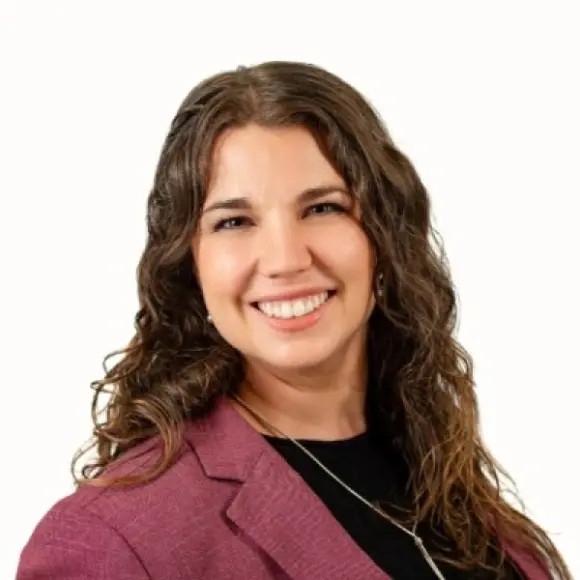
Alyssa Sianghio
President & CEO
Nilsa Campos, MSN, MBA, RN, NE-BC
COO

Paul Luning, MD, MPH
Chief Medical Officer

Sara Hogue, MSW
Chief Performance Improvement Officer
Accreditations

The Joint Commission, formerly known as JCAHO, is a nonprofit organization that accredits rehab organizations and programs. Founded in 1951, the Joint Commision's mission is to improve the quality of patient care and demonstrating the quality of patient care.
Joint Commission Accreditation: Yes
Rehab.com regularly reviews this listing for accuracy but changes may occur between updates. For the most up-to-date information, please contact PCC Walk-In Wellness Center at West Suburban Medical Center.
Contact Information


3 Erie St
#1300
Oak Park, IL 60302
Sponsored Helpline



