





























































































About Penny Lane Centers
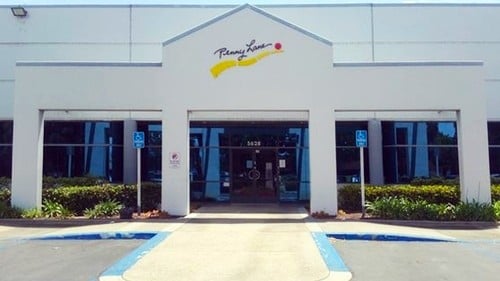
Penny Lane Centers is a nonprofit substance use treatment program in Commerce, California, offering outpatient addiction care for adolescents and adults ages 12 and up.
Located on East Slauson Avenue, the program provides outpatient treatment, intensive outpatient services and recovery support for individuals struggling with drugs and alcohol.
As part of a countywide organization founded in 1969, Penny Lane takes a heart centered, strengths-based, and trauma informed approach to recovery.
Addiction Treatment Programs at Penny Lane Centers
Clients can begin with an assessment to determine the right level of care within the Substance Use Disorder program, which includes outpatient and intensive outpatient treatment.
Recovery support services help clients maintain progress throughout an average treatment duration of six to twelve months.
Programs include individual counseling, group sessions, family therapy, case management and UA testing.
Services are trauma informed and designed to address co-occurring substance use and mental health conditions, with care available both in person and through telehealth.
Quick Facts About Penny Lane Centers
- Location: Commerce, California, on East Slauson Avenue, serving Los Angeles County
- Levels of care: Outpatient, intensive outpatient and recovery support services
- Who they treat: Adolescents and adults ages 12 and up, including clients with co-occurring conditions
- Approach: Trauma informed, strengths based and blame-free care with family involvement
- Languages: Services offered in English and Spanish
- Payment: Applicants must have applied for or be receiving Medi-Cal benefits
- Access: In-person and telehealth options available
Latest Reviews



Rehab Score
 Our Methodology


Gallery
Other Forms of Payment
Financial aid can take many forms. Centers may have grants or scholarships available to clients who meet eligibility requirements. Programs that receive SAMHSA grants may have financial aid available for those who need treatment as well. Grants and scholarships can help you pai for treatment without having to repay.
Medicare is a federal program that provides health insurance for those 65 and older. It also serves people under 65 with chronic and disabling health challenges. To use Medicare for addiction treatment you need to find a program that accepts Medicare and is in network with your plan. Out of pocket costs and preauthorization requirements vary, so always check with your provider.
Addiction Treatments
Levels of Care
Outpatient Programs (OP) are for those seeking mental rehab or drug rehab, but who also stay at home every night. The main difference between outpatient treatment (OP) and intensive outpatient treatment (IOP) lies in the amount of hours the patient spends at the facility. Most of the time an outpatient program is designed for someone who has completed an inpatient stay and is looking to continue their growth in recovery. Outpatient is not meant to be the starting point, it is commonly referred to as aftercare.
Treatments
Mental health rehabs focus on helping individuals recover from mental illnesses like bipolar disorder, clinical depression, anxiety disorders, schizophrenia, and more. Mental health professionals at these facilities are trained to understand and treat mental health issues, both in individual and group settings.
Clinical Services
Cognitive Behavioral Therapy (CBT) is a therapy modality that focuses on the relationship between one's thoughts, feelings, and behaviors. It is used to establish and allow for healthy responses to thoughts and feelings (instead of unhealthy responses, like using drugs or alcohol). CBT has been proven effective for recovering addicts of all kinds, and is used to strengthen a patient's own self-awareness and ability to self-regulate. CBT allows individuals to monitor their own emotional state, become more adept at communicating with others, and manage stress without needing to engage in substance abuse.
Whether a marriage or other committed relationship, an intimate partnership is one of the most important aspects of a person's life. Drug and alcohol addiction affects both members of a couple in deep and meaningful ways, as does rehab and recovery. Couples therapy and other couples-focused treatment programs are significant parts of exploring triggers of addiction, as well as learning how to build healthy patterns to support ongoing sobriety.
Research clearly demonstrates that recovery is far more successful and sustainable when loved ones like family members participate in rehab and substance abuse treatment. Genetic factors may be at play when it comes to drug and alcohol addiction, as well as mental health issues. Family dynamics often play a critical role in addiction triggers, and if properly educated, family members can be a strong source of support when it comes to rehabilitation.
Group therapy is any therapeutic work that happens in a group (not one-on-one). There are a number of different group therapy modalities, including support groups, experiential therapy, psycho-education, and more. Group therapy involves treatment as well as processing interaction between group members.
In individual therapy, a patient meets one-on-one with a trained psychologist or counselor. Therapy is a pivotal part of effective substance abuse treatment, as it often covers root causes of addiction, including challenges faced by the patient in their social, family, and work/school life.
Trauma therapy addresses traumatic incidents from a client's past that are likely affecting their present-day experience. Trauma is often one of the primary triggers and potential causes of addiction, and can stem from child sexual abuse, domestic violence, having a parent with a mental illness, losing one or both parents at a young age, teenage or adult sexual assault, or any number of other factors. The purpose of trauma therapy is to allow a patient to process trauma and move through and past it, with the help of trained and compassionate mental health professionals.
Staff

Adrienne S. Khorasanee
President
Katrina Rosale
Vice President
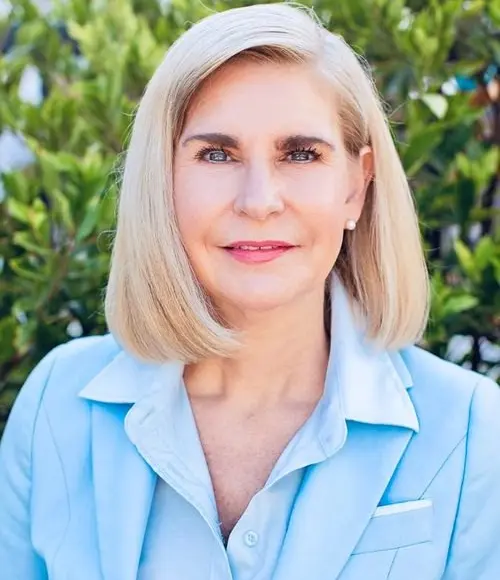
Wendy Carpenter, MA
Chief Executive Officer
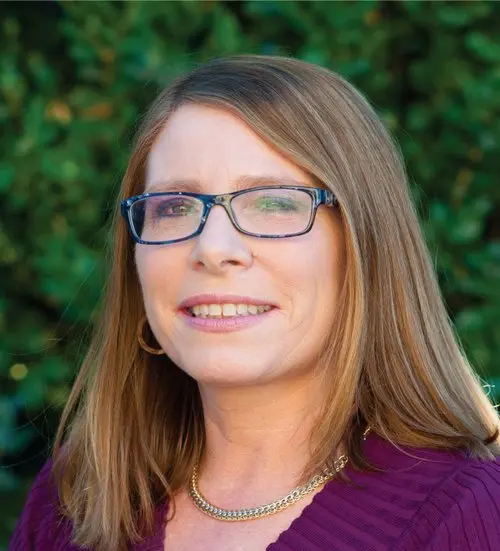
Rosana La Fianza, MBA
Chief Operations Officer
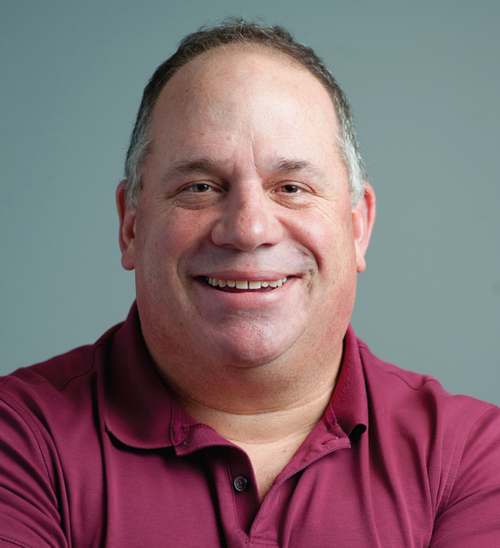
Bernie La Fianza, MBA
Chief Financial Officer
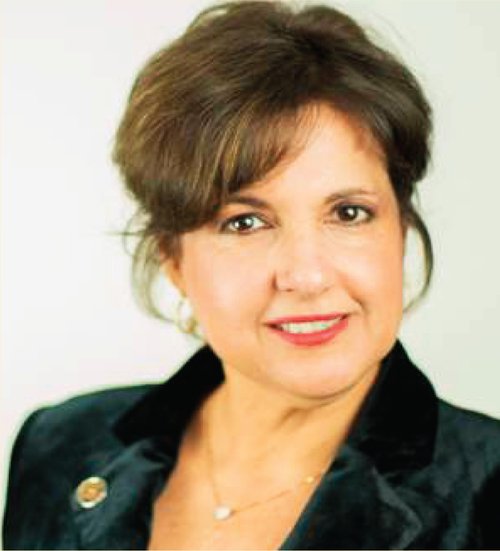
Dr. Judith Sandino, Psy.D, LCSW
Chief Programs Officer
Rehab.com regularly reviews this listing for accuracy but changes may occur between updates. For the most up-to-date information, please contact Penny Lane Centers.
Contact Information


5628 East Slauson Avenue
Commerce, CA 90040
Sponsored Helpline

