





























































































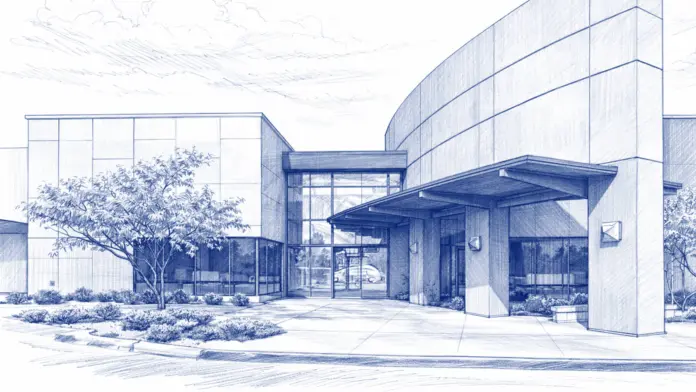
About Pioneer Counseling Center
Pioneer Counseling Center is a private outpatient addiction treatment provider in Sterling Heights, Michigan serving adults and adolescents with substance use and co-occurring mental health disorders.
The center offers counseling using evidence based approaches like CBT and DBT to address alcoholism, drug addiction, and opioid use. Pioneer aims to deliver community based lower intensity care that helps clients build recovery skills while staying connected to daily life.
Addiction Treatment With Group Therapy
Pioneer Counseling Center specializes in outpatient substance use treatment for teens and adults navigating alcohol, drug, and opioid addiction. The program combines didactic education with counseling to support recovery at a manageable pace.
Sessions draw on Cognitive Behavioral Therapy and Dialectical Behavior Therapy to help clients identify triggers, regulate emotions, and develop healthier coping strategies. Group therapy is a core part of the experience, with past clients noting positive experiences in that setting.
Gender-Specific and Co-Occurring Care
Pioneer also offers gender specific programming for women and men recognizing that addiction often shows up differently across populations. Co-occurring mental health conditions are addressed alongside substance use, giving clients an integrated path forward rather than fragmented care.

Rehab Score
 Our Methodology


Location
Accepted Insurance
Other Forms of Payment
Medicaid is a state based program that helps lower-income individuals and families pay for healthcare. Medicaid covers addiction treatment so those enrolled can use their coverage to pay for rehab. When a program accepts Medicaid the client often pays very little or nothing out of their own pocket.
Medicare is a federal program that provides health insurance for those 65 and older. It also serves people under 65 with chronic and disabling health challenges. To use Medicare for addiction treatment you need to find a program that accepts Medicare and is in network with your plan. Out of pocket costs and preauthorization requirements vary, so always check with your provider.
Military members, veterans, and eligible dependents have access to specific insurance programs that help them get the care they need. TRICARE and VA insurance can help you access low cost or no cost addiction and mental health treatment. Programs that accept military insurance often have targeted treatment focused on the unique challenges military members, veterans, and their families face.
Private insurance refers to any kind of healthcare coverage that isn't from the state or federal government. This includes individual and family plans offered by an employer or purchased from the Insurance Marketplace. Every plan will have different requirements and out of pocket costs so be sure to get the full details before you start treatment.
Addiction Treatments
Levels of Care
Clients receiving care at an outpatient rehab remain in their own homes and attend treatment as often as daily, depending on the level of need. Outpatient care generally consists of psychotherapy, addiction education, life skills training, and community reintegration support. Many outpatient treatment centers provide step-down care, including partial hospitalization (PHP), intensive outpatient (IOP), sober living, and standard outpatient services. Some outpatient rehabs also offer ambulatory medical detox and medication assisted treatment (MAT).
Treatments
The goal of treatment for alcoholism is abstinence. Those with poor social support, poor motivation, or psychiatric disorders tend to relapse within a few years of treatment. For these people, success is measured by longer periods of abstinence, reduced use of alcohol, better health, and improved social functioning. Recovery and Maintenance are usually based on 12 step programs and AA meetings.
Drug rehab in Michigan provides personalized treatment to help individuals break this cycle and regain control of their lives. Treatment methods are used in various levels of care, including inpatient rehab, partial hospitalization programs, intensive outpatient programs, and standard outpatient treatment.
A combined mental health and substance abuse rehab has the staff and resources available to handle individuals with both mental health and substance abuse issues. It can be challenging to determine where a specific symptom stems from (a mental health issue or an issue related to substance abuse), so mental health and substance abuse professionals are helpful in detangling symptoms and keeping treatment on track.
Opioid rehabs specialize in supporting those recovering from opioid addiction. They treat those suffering from addiction to illegal opioids like heroin, as well as prescription drugs like oxycodone. These centers typically combine both physical as well as mental and emotional support to help stop addiction. Physical support often includes medical detox and subsequent medical support (including medication), and mental support includes in-depth therapy to address the underlying causes of addiction.
Programs
Teen programs are designed to address the unique pressures teens face, pressures that can drive them to experiment with dangerous, addictive substances. They need programs that meet them exactly where they are and give them tools for long-term recovery. Therapy can help teenagers understand and work through underlying issues so they can reclaim the life ahead of them.
Rehabs for women provide a safe, nurturing space for female clients to heal. These treatment programs consider the specific obstacles that women can face during recovery and place a special emphasis on mental, social, physical, and reproductive health. They explore how each woman's experience has shaped the trajectory of their substance use, addressing issues such as sexual abuse and past trauma.
Clinical Services
In individual therapy, a patient meets one-on-one with a trained psychologist or counselor. Therapy is a pivotal part of effective substance abuse treatment, as it often covers root causes of addiction, including challenges faced by the patient in their social, family, and work/school life.
Cognitive behavioral therapy in Michigan helps participants view challenges more clearly so they can respond to them in healthy ways. During a limited number of structured sessions, clients learn about and practice these changes to effectively address substance use and mental health disorders.
Addiction often involves intense situations and emotions. Dialectical behavior therapy helps you understand and regulate your emotions and better manage the situations that evoke those feelings. You'll receive mindfulness training and stress management training to cope more effectively with difficult emotions.
Accreditations

State Licenses are permits issued by government agencies that allow rehab organizations to conduct business legally within a certain geographical area. Typically, the kind of program a rehab facility offers, along with its physical location, determines which licenses are required to operate legally.
State License: Michigan
Rehab.com regularly reviews this listing for accuracy but changes may occur between updates. For the most up-to-date information, please contact Pioneer Counseling Center.
Contact Information


36250 Dequindre Rd # 310
Sterling Heights, MI 48310
Sponsored Helpline


