






























































































Big thanks to the landmark family; truly appreciate you all keep doing great things 4 us ..
About Praxis of Norfolk by Landmark Recovery
The residential program is a full-time inpatient rehab program that includes daily meals and a daily schedule of treatment sessions. Treatment lasts between 30 and 45 days. Programming consists of individual and group therapy, cognitive behavioral therapy, mental health care, dialectical behavior therapy, and medical detox.
The PHP is a day treatment program that operates Monday through Friday from 9:00 am to 2:00 pm. Treatment includes structured programming, meals, weekly individual therapy, and ongoing psychiatric evaluation and treatment.
The IOP is an eight-week program that consists of three-hour treatment sessions four times per week. Treatment includes individual and group therapy, case management, crisis intervention, trauma-focused psychoeducation, and SMART recovery.
Praxis accepts most insurance plans. In-network plans may include coverage from carriers such as Aetna, Cigna, Wellmark, TRICARE, Beacon, Humana, and Blue Cross Blue Shield. Verify your coverage and out-of-network benefits directly with your insurance provider.
Latest Reviews

Rehab Score
 Our Methodology
Scoring is assigned by a proprietary system which helps surface key metrics that determine quality. The 10-point scale factors in categories such as operations, customer satisfaction, and trust metrics. Read Full Methodology

8.4 / 10
Gallery
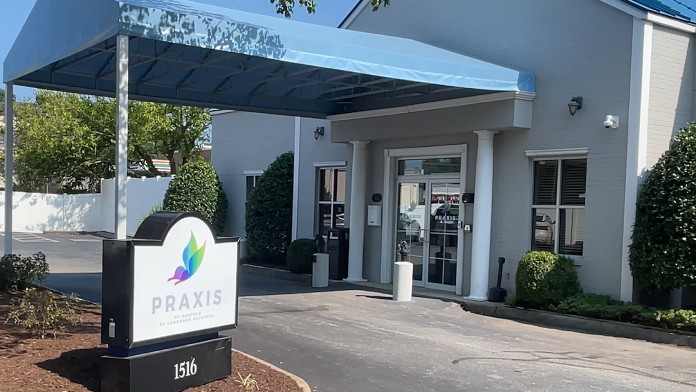
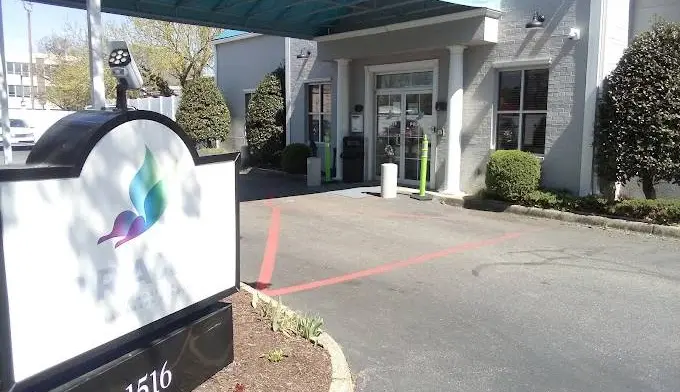
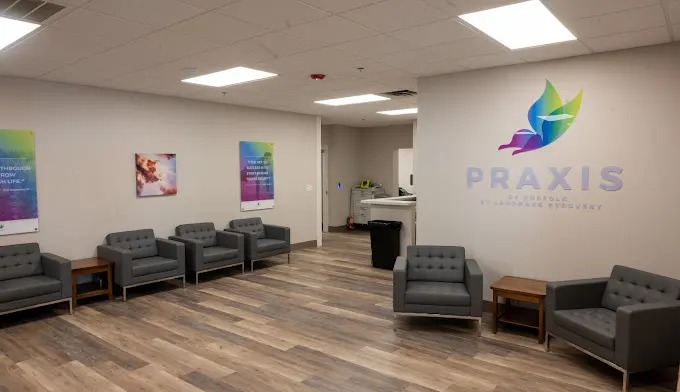
Accepted Insurance
Other Forms of Payment
Private insurance refers to any kind of healthcare coverage that isn't from the state or federal government. This includes individual and family plans offered by an employer or purchased from the Insurance Marketplace. Every plan will have different requirements and out of pocket costs so be sure to get the full details before you start treatment.
Self-pay involves paying for treatment out of your own pocket. You can use savings or credit, get a personal loan, or receive help from family and friends to fund your treatment. If you don't have insurance or your insurance plan doesn't cover a specific program, self-pay can help ensure you still get the care you need.
Financial aid can take many forms. Centers may have grants or scholarships available to clients who meet eligibility requirements. Programs that receive SAMHSA grants may have financial aid available for those who need treatment as well. Grants and scholarships can help you pai for treatment without having to repay.
Medicaid is a state based program that helps lower-income individuals and families pay for healthcare. Medicaid covers addiction treatment so those enrolled can use their coverage to pay for rehab. When a program accepts Medicaid the client often pays very little or nothing out of their own pocket.
Private insurance refers to any kind of healthcare coverage that isn't from the state or federal government. This includes individual and family plans offered by an employer or purchased from the Insurance Marketplace. Every plan will have different requirements and out of pocket costs so be sure to get the full details before you start treatment.
Addiction Treatments
Levels of Care
Outpatient rehabs offer community-based addiction treatment, enabling clients to remain in their homes while in recovery. Their levels of care typically include partial hospitalization (PHP), intensive outpatient (IOP), standard outpatient, and sober living programming. Most outpatient facilities offer addiction counseling and recovery-focused life skills training. Integrative programs include evidence-based holistic therapies, such as meditation, music therapy, and massage. Facilities specializing in alcohol and/or opioid addiction may also provide medication assisted treatment (MAT).
Residential treatment programs are those that offer housing and meals in addition to substance abuse treatment. Rehab facilities that offer residential treatment allow patients to focus solely on recovery, in an environment totally separate from their lives. Some rehab centers specialize in short-term residential treatment (a few days to a week or two), while others solely provide treatment on a long-term basis (several weeks to months). Some offer both, and tailor treatment to the patient's individual requirements.
Intensive Outpatient Programs (IOP) are for those who want or need a very structured treatment program but who also wish to live at home and continue with certain responsibilities (such as work or school). IOP substance abuse treatment programs vary in duration and intensity, and certain outpatient rehab centers will offer individualized treatment programs.
Clients participating in a rehab aftercare program receive comprehensive and customized support as they leave high-intensity treatment, reintegrate into their community, and focus on maintaining their sobriety. These programs offer a wide variety of services to align with the client's unique and evolving needs, often including medical, mental health, and social service program referrals. Clients typically develop their drug rehab aftercare plan in conjunction with their case manager and care team.
Once involved in a 12 step recovery program, clients can commit to a model of life-long recovery rooted in spiritual growth and intensive peer support. 12 step meetings are anonymous, peer-led, free, and accessible day and night, year-round, in most communities. Self-selected sponsors provide one-on-one coaching as participants work through the steps of recovery. These steps are based on spiritual principles used to address the origins of the addiction and to encourage self-compassion, forgiveness, acceptance, and accountability.
A partial hospitalization program (PHP) is a short-term form of intensive rehab, usually for those with acute symptoms that are hard to manage but don’t require 24-hour care. PHPs have structured programming (i.e. individual and/or group therapy), and usually meet 3-5 days a week for around 6 hours (i.e. 9am-3m). Some PHPs are residential (patients sleep on site) and some are not, so patients sleep at home. PHPs can last from 1-6 months, and some offer transportation and meals.
Drug and alcohol addiction often takes a heavy toll on one's body. Over time, a physical dependence can develop, meaning the body physiologically needs the substance to function. Detox is the process of removing drugs and/or alcohol from the body, a process that can be lethal if mismanaged. Medical detox is done by licensed medical professionals who monitor vital signs and keep you safe, healthy, and as comfortable as possible as you go through detox and withdrawal. The length of stay at the detoxification program is determined according to the specific needs of the patient.
Treatments
Substance rehabs focus on helping individuals recover from substance abuse, including alcohol and drug addiction (both illegal and prescription drugs). They often include the opportunity to engage in both individual as well as group therapy.
Alcohol use disorder, which is often used interchangeably with the term alcoholism, is a chronic, relapsing condition. While it is characterized by harmful patterns of alcohol use and physical dependence on the substance, the condition can be managed and treated. Effective alcohol rehab in Virginia is available in a variety of formats, including inpatient, outpatient, medication-assisted therapy, and mutual-support groups.
When you enroll in drug rehab in Virginia, a treatment plan is designed by professional staff in order to help you overcome drug addiction and modify addictive behaviors. This may include evidence-based treatments, group and individual therapy, and relapse prevention.
 Opioid Addiction
Programs
Adult rehab programs include therapies tailored to each client's specific needs, goals, and recovery progress. They are tailored to the specific challenges adult clients may face, including family and work pressures and commitments. From inpatient and residential treatment to various levels of outpatient services, there are many options available. Some facilities also help adults work through co-occurring conditions, like anxiety, that can accompany addiction.
Serving in the military is both mentally and physically challenging, and can result in trauma that persists even after combat ends. Military programs are tailored to the specific and often complex needs of active duty personnel, veterans, and military families. Clients often access these programs through the U.S. Department of Veterans Affairs (VA).
Clinical Services
Cognitive behavioral therapy in Virginia is a short term form of talk therapy. Participants usually have homework between sessions, which may include journaling, self talk, and setting SMART goals. The aim is to transform negative thought patterns into positive ones.
For those experiencing mental health challenges, including substance use disorder, dialectical behavior therapy in Virginia offers an evidence based method of treatment. This therapy teaches skills for emotional regulation and interpersonal relations so you can break free from negative patterns.
Group therapy is any therapeutic work that happens in a group (not one-on-one). There are a number of different group therapy modalities, including support groups, experiential therapy, psycho-education, and more. Group therapy involves treatment as well as processing interaction between group members.
In individual therapy, a patient meets one-on-one with a trained psychologist or counselor. Therapy is a pivotal part of effective substance abuse treatment, as it often covers root causes of addiction, including challenges faced by the patient in their social, family, and work/school life.
Motivational interviewing in Virginia allows clients to examine their lives and consider their options. It is particularly useful if the client lacks confidence in their ability to change or is feeling uncertain about their desire to change.
Family therapists work with all members of the family to understand the roles they play in the addiction dynamic. Addressing these patterns is crucial to developing healthier ways to interact and support each other, as well as contributing to a more effective recovery for their loved ones.
Recreational therapy (aka therapeutic recreation) uses creative and fun activities to help with addiction recovery. Recreational therapists lead patients in entertaining and engaging activities like sports or games; art (drawing, painting, sculpture); drama, music, and dance; and/or community outings (field trips) to improve patients' physical, social, and emotional well-being.
Amenities
-
 Private Rooms
Accreditations

LegitScript has reviewed Praxis of Norfolk by Landmark Recovery as part of their certification program, and has determined that it meets the LegitScript standards for legality, safety and transparency.
LegitScript verified in November 2021

The Joint Commission, formerly known as JCAHO, is a nonprofit organization that accredits rehab organizations and programs. Founded in 1951, the Joint Commision's mission is to improve the quality of patient care and demonstrating the quality of patient care.
Joint Commission Accreditation: Yes
Rehab.com regularly reviews this listing for accuracy but changes may occur between updates. For the most up-to-date information, please contact Praxis of Norfolk by Landmark Recovery.
Contact Information

1516 Harmon St.
Norfolk, VA 23518
Get Help Now - 757-743-3154
Sponsored Helpline
Sponsored Helpline

