





























































































Thank you so much for all of your guys help ! ❤️ this is an amazing place that taught me soooo much ! Was here from march 2023 to april 2023 ...11 months sober ! Thank you to all the staff there.. you guys are amazing !!!
About Preferred Family Healthcare
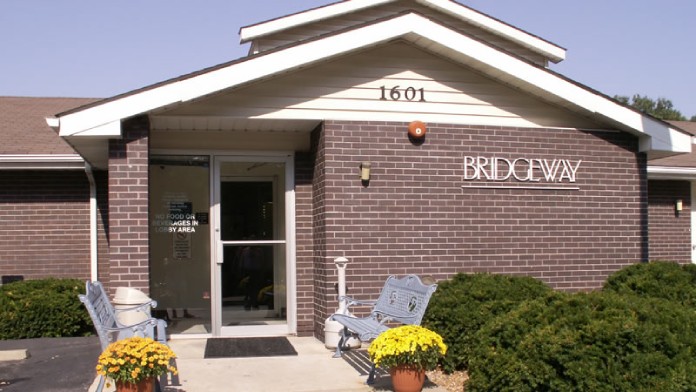
Preferred Family Healthcare in Saint Charles, Missouri behavioral health provider offering residential substance use treatment for adults.
The Saint Charles location specializes in a women-focused residential program addressing substance use disorders and co-occurring mental health conditions.
As part of a long-established Midwest behavioral health network Preferred Family Healthcare delivers structured, whole-person care designed to support lasting recovery.
Women-Focused Addiction Treatment
The focus at this location is gender-responsive residential care for women seeking recovery from substance use disorders.
The on-site residential setting provides structured daily support in a dedicated environment built around women’s unique needs.
Within the residential program treatment integrates counseling and recovery support services to address both substance use and any underlying mental health concerns.
Care may also include medication-assisted treatment and detox services available across the Preferred Family Healthcare continuum. Case management and services coordination help ensure continuity beyond initial stabilization.
Co-Occurring Mental Health Support
Preferred Family Healthcare recognizes that substance use and mental health often go hand in hand.
The Saint Charles program addresses co-occurring mental health conditions alongside addiction, drawing on the broader network’s integrated behavioral health resources.
This dual approach helps clients work toward more complete, sustainable healing.

Rehab Score
 Our Methodology
Scoring is assigned by a proprietary system which helps surface key metrics that determine quality. The 10-point scale factors in categories such as operations, customer satisfaction, and trust metrics. Read Full Methodology

6.9 / 10
Gallery
Accepted Insurance

Home State Health Plan

Managed Health Network (MHN)
Preferred Mental Health Management
Century Health Solutions
Employee Network Inc. (ENI)
LifeSynch
Missouri Care
New Directions
Plan Care America
Sunflower Health Plan
Other Forms of Payment
Private insurance refers to any kind of healthcare coverage that isn't from the state or federal government. This includes individual and family plans offered by an employer or purchased from the Insurance Marketplace. Every plan will have different requirements and out of pocket costs so be sure to get the full details before you start treatment.
Self-pay involves paying for treatment out of your own pocket. You can use savings or credit, get a personal loan, or receive help from family and friends to fund your treatment. If you don't have insurance or your insurance plan doesn't cover a specific program, self-pay can help ensure you still get the care you need.
Financial aid can take many forms. Centers may have grants or scholarships available to clients who meet eligibility requirements. Programs that receive SAMHSA grants may have financial aid available for those who need treatment as well. Grants and scholarships can help you pai for treatment without having to repay.
Sliding scale payments are based on a client's income and family size. The goal is to make treatment affordable to everyone. By taking these factors into account, addiction recovery care providers help ensure that your treatment does not become a financial burden to you or your family, eliminating one barrier to care.
Military members, veterans, and eligible dependents have access to specific insurance programs that help them get the care they need. TRICARE and VA insurance can help you access low cost or no cost addiction and mental health treatment. Programs that accept military insurance often have targeted treatment focused on the unique challenges military members, veterans, and their families face.
Medicaid is a state based program that helps lower-income individuals and families pay for healthcare. Medicaid covers addiction treatment so those enrolled can use their coverage to pay for rehab. When a program accepts Medicaid the client often pays very little or nothing out of their own pocket.
Addiction Treatments
Levels of Care
Outpatient treatment, as opposed to residential treatment, is a form of substance use treatment that does not involve living at a facility. Preferred Family Healthcare and its subsidiaries provide Outpatient services at many locations throughout Arkansas, Kansas, Illinois, Missouri, and Oklahoma. The services vary by location.
Intensive outpatient programs provide an intermediate level of care, often supporting clients' transition from inpatient rehab to outpatient treatment. Most IOP programs require a minimum of nine therapeutic hours weekly, but clients may receive up to 20 hours of care, with the intensity and frequency of care declining as clients grow stronger in their sobriety. Intensive outpatient treatment generally combines addiction counseling, recovery education, holistic therapies, and, for some, medication assisted treatment (MAT).
12 step programs are designed to enable participants to understand and address the root causes of their addiction, accept responsibility for their life choices, and relinquish control over that which they cannot change. Participants are expected to regularly attend 12 step meetings and to be mentored in their recovery journey by a self-selected sponsor. Meetings are free, anonymous, and open to the public. A variety of formats are available, including programs for seniors, teens, family members, and nondenominational Christians.
A drug intervention in Missouri is a planned meeting between a person struggling with addiction and their close friends and family members. The goal of the intervention is to motivate the individual to seek treatment. To be successful, an intervention requires careful planning which may involve intervention services from an intervention specialist. Theyl can be certified by the Association of Intervention Specialists, or they may have other expertise that qualifies them for this role.
Designed for individuals who don't require 24/7 monitoring, a partial hospitalization program (PHP) provides intensive-level treatment while allowing you to stay at home. PHP treatment typically requires a commitment of at least 20 hours of treatment per week for an average duration of 90 days. Services commonly offered in PHP include medication management and evidence-based therapies, such as cognitive-behavioral therapy (CBT), and dialectical behavior therapy (DBT). Insurance coverage for PHP treatment may vary depending on your provider.
Due to the potential for severe withdrawal symptoms, it is important to detox in a facility with 24-hour clinical care in Missouri. Most people experience some form of withdrawal symptoms, and this setting offers medical professionals who are on site 24/7 to provide any necessary treatment. This supervision makes the detox process safer and less painful and improves the likelihood of a successful recovery.
Drug and alcohol addiction often takes a heavy toll on one's body. Over time, a physical dependence can develop, meaning the body physiologically needs the substance to function. Detox is the process of removing drugs and/or alcohol from the body, a process that can be lethal if mismanaged. Medical detox is done by licensed medical professionals who monitor vital signs and keep you safe, healthy, and as comfortable as possible as you go through detox and withdrawal.
Inpatient rehabs provide a safe, supportive environment for clients to focus on their recovery secure from outside distractions, stressors, and triggers. Clients receive housing, meals, and intensive clinical supervision. They also engage in extensive addiction counseling, often including group and family therapy. Many programs prioritize recovery-focused life skills training to support clients' reintegration into their home, workplace, school, and community. Evidence-based holistic therapies, such as yoga, acupuncture, meditation, hypnotherapy, or animal therapy, may also be provided.
Treatments
The goal of treatment for alcoholism is abstinence. Those with poor social support, poor motivation, or psychiatric disorders tend to relapse within a few years of treatment. For these people, success is measured by longer periods of abstinence, reduced use of alcohol, better health, and improved social functioning. Recovery and Maintenance are usually based on 12 step programs and AA meetings.
Drug rehab in Missouri usually involves several phases: detox, rehab, and aftercare. The rehab phase may include a combination of inpatient and outpatient treatments, as the individual moves through a continuum of care on their recovery journey.
Many of those suffering from addiction also suffer from mental or emotional illnesses like schizophrenia, bipolar disorder, depression, or anxiety disorders. Rehab and other substance abuse facilities treating those with a dual diagnosis or co-occurring disorder administer psychiatric treatment to address the person's mental health issue in addition to drug and alcohol rehabilitation.
Opioid rehabs specialize in supporting those recovering from opioid addiction. They treat those suffering from addiction to illegal opioids like heroin, as well as prescription drugs like oxycodone. These centers typically combine both physical as well as mental and emotional support to help stop addiction. Physical support often includes medical detox and subsequent medical support (including medication), and mental support includes in-depth therapy to address the underlying causes of addiction.
Substance rehabs focus on helping individuals recover from substance abuse, including alcohol and drug addiction (both illegal and prescription drugs). They often include the opportunity to engage in both individual as well as group therapy.
Programs
Adult rehab programs include therapies tailored to each client's specific needs, goals, and recovery progress. They are tailored to the specific challenges adult clients may face, including family and work pressures and commitments. From inpatient and residential treatment to various levels of outpatient services, there are many options available. Some facilities also help adults work through co-occurring conditions, like anxiety, that can accompany addiction.
Young adulthood can be an exciting, yet difficult, time of transition. Individuals in their late teens to mid-20s face unique stressors related to school, jobs, families, and social circles, which can lead to a rise in substance use. Rehab centers with dedicated young adult programs will include activities and amenities that cater to this age group, with an emphasis on specialized counseling, peer socialization, and ongoing aftercare.
Teen programs are designed to address the unique pressures teens face, pressures that can drive them to experiment with dangerous, addictive substances. They need programs that meet them exactly where they are and give them tools for long-term recovery. Therapy can help teenagers understand and work through underlying issues so they can reclaim the life ahead of them.
Clinical Services
Cognitive Behavioral Therapy (CBT) is a therapy modality that focuses on the relationship between one's thoughts, feelings, and behaviors. It is used to establish and allow for healthy responses to thoughts and feelings (instead of unhealthy responses, like using drugs or alcohol). CBT has been proven effective for recovering addicts of all kinds, and is used to strengthen a patient's own self-awareness and ability to self-regulate. CBT allows individuals to monitor their own emotional state, become more adept at communicating with others, and manage stress without needing to engage in substance abuse.
A complete course of dialectical behavior therapy typically takes six months. Skills training happens in a group setting. You'll also attend weekly individual treatment sessions to receive coaching from a therapist. You'll work on understanding and accepting your feelings and learn how to manage them to make positive changes.
Group therapy is any therapeutic work that happens in a group (not one-on-one). There are a number of different group therapy modalities, including support groups, experiential therapy, psycho-education, and more. Group therapy involves treatment as well as processing interaction between group members.
In individual therapy, a patient meets one-on-one with a trained psychologist or counselor. Therapy is a pivotal part of effective substance abuse treatment, as it often covers root causes of addiction, including challenges faced by the patient in their social, family, and work/school life.
Motivational interviewing is a short term method often used during drug rehab in Missouri. It typically lasts one or two sessions, with the goal of facilitating conversation about change. The client should leave the sessions feeling more decisive and secure in their ability to make the changes they desire in their life.
Couples therapy in Missouri deals with the problems each partner has within themselves and with each other. Sessions may be held jointly and others individually to address these issues and help each partner learn how to manage challenges in healthy ways.
Many families in Southwest Missouri (Greene, Barry, Lawrence, and Stone counties) have substance abuse challenges impacting the well-being of their children. Without intervention, these children are at risk of removal from their home. Once children have been taken out of a home, families often face a difficult road to reunification. Through a federal grant, PFH, in collaboration with many public and private partners, is providing much-needed assistance to these families.
Nicotine replacement therapy in Missouri addresses physical dependence on nicotine, while support systems and behavioral therapy address the psychological aspects of addiction. Formats include inhalers, nasal sprays, lozenges, patches, and gum.
Amenities
-
 Residential Setting
 -
 Private Rooms
 -
 Gym
Gym -
 Recreation Room
Staff & Accreditations
Staff
Michael Schwend
President & CEO
Ann Hutton
COO
Byron Southerland
CFO
Stacey Juilfs
VP of Integrated Health Services
Keylee Tesar
Executive VP of Community Operations Swr
Nicholas Cook
Program Director
Accreditations

The Commission on Accreditation of Rehabilitation Facilities (CARF) is a non-profit organization that specifically accredits rehab organizations. Founded in 1966, CARF's, mission is to help service providers like rehab facilities maintain high standards of care.
CARF Accreditation: Yes

The Joint Commission, formerly known as JCAHO, is a nonprofit organization that accredits rehab organizations and programs. Founded in 1951, the Joint Commision's mission is to improve the quality of patient care and demonstrating the quality of patient care.
Joint Commission Accreditation: Yes
Rehab.com regularly reviews this listing for accuracy but changes may occur between updates. For the most up-to-date information, please contact Preferred Family Healthcare.
Contact Information

1601 Old South River Road
Saint Charles MO, 63303
Get Help Now - 636-206-4296
Sponsored Helpline
Sponsored Helpline


