






























































































Horrible experience when someone is reaching out for help, this is not a good service at all and I would not recommend anyone to go here.
About Prestera Health Services- Mason County
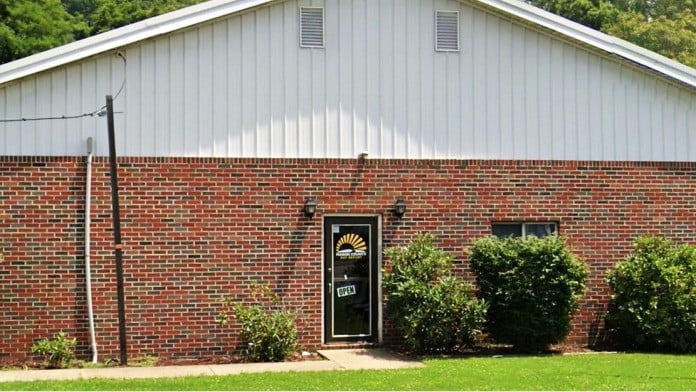
Prestera Health Services – Mason County in Point Pleasant, West Virginia, offers residential treatment, outpatient treatment, and transitional living for men. The center offers a sliding fee scale for those who are financially challenged. The center is CARF accredited.
Residential Treatment and Transitional Living
Residential treatment is offered for men with substance use disorders. After residential treatment, clients have the option of continuing with transitional living. Transitional living offers an extended period of living in a sober structured environment with available treatment.
You will participate in group therapy with other residents. Group therapy allows you to form friendships and receive support from other residents who are on a path to recovery with you.
You will have a case manager who will prepare you to reintegrate into the community. Relapse prevention education and the 12 Steps will provide steady footing in early sobriety.
Medication Assisted Treatment and Medical Treatment
Medication assisted treatment (MAT) is available for users of opiates and alcohol. Common medications prescribed include buprenorphine with naloxone or naltrexone. A medication refill line will allow you to request refills without having to travel to the center.
Medical assistants will check your vitals, keep records of your primary care, order lab work, and assist with your medication needs. Health and wellness initiatives will make caring for your wellbeing commonplace with exercise programs, smoking cessation education, and guidance about nutrition.
LEAD Offenders Program
Law enforcement assisted diversion (LEAD) allows offenders to enter rehabilitation instead of being incarcerated. Substance use treatment is more likely to reform offenders than jail time, reducing fatalities, crimes, and recidivism.
Outpatient Substance Use Treatment
Some of us do not require residential treatment and can benefit from outpatient treatment. Intensive outpatient programs offer individual, group, and family therapy. You will have appointments with a psychiatrist and possibly receive medication. Other services include case management, supported employment, and wraparound services.
Latest Reviews
Point Pleasant Nurse Practitioner is a great Doctor. I have been seeing him for 6 + years and he has helped get me on the proper medications. The Doctor is very detailed oriented. He has the cognitive ability to decipher what is said and apply the results to your specific needs. Great Doctor. I have a lot of respect for him.
Knowledgeable staff. Polite and welcoming.
I’ve been going to Prestera for 3 years. Even when I moved to Parkersburg I continued my treatment at Prestera in point pleasant because of the quality of treatment I receive there. My counselor Bethany is absolutely amazing, the person that did my intake was so informative and my psychiatrist Jaime that prescribes my meds is the best psychiatrist I have ever had in the 12 years of treatment that I have had from several different places. She evaluated by asking key questions and engaged with explaining things to me in a way I could understand. She interacted with back and forth conversation and really put a lot of thought into selecting medication that would help me. She took the time to listen to all the meds I had tried in the past that failed and I am so grateful for the effort and level of care she provided to me.
The building is old but they are doing renovations on it. But seriously it’s not the building that matters it’s the staff and the quality of care to really help individuals with a workable plan of treatment. They are on the ball and fakers beware. You won’t fool these professionals they know their stuff. Best care I have ever gotten. I’m sad to be moving out of state and I hope I can find a mental health team as dedicated as this one but if it wasn’t for them helping me lay the groundwork for my life I wouldn’t be moving ahead into a functional future. I’m getting married. When I started with Prestera 3 years ago I would have never imagined I could grow this much or move forward in life to this extent to have such a bright future ahead. Thank you to the Prestera team for helping me heal.

Rehab Score
 Our Methodology
Scoring is assigned by a proprietary system which helps surface key metrics that determine quality. The 10-point scale factors in categories such as operations, customer satisfaction, and trust metrics. Read Full Methodology

7 / 10
Gallery
Accepted Insurance
Other Forms of Payment
Private insurance refers to any kind of healthcare coverage that isn't from the state or federal government. This includes individual and family plans offered by an employer or purchased from the Insurance Marketplace. Every plan will have different requirements and out of pocket costs so be sure to get the full details before you start treatment.
Self-pay involves paying for treatment out of your own pocket. You can use savings or credit, get a personal loan, or receive help from family and friends to fund your treatment. If you don't have insurance or your insurance plan doesn't cover a specific program, self-pay can help ensure you still get the care you need.
Financial aid can take many forms. Centers may have grants or scholarships available to clients who meet eligibility requirements. Programs that receive SAMHSA grants may have financial aid available for those who need treatment as well. Grants and scholarships can help you pai for treatment without having to repay.
Sliding scale payments are based on a client's income and family size. The goal is to make treatment affordable to everyone. By taking these factors into account, addiction recovery care providers help ensure that your treatment does not become a financial burden to you or your family, eliminating one barrier to care.
Medicare is a federal program that provides health insurance for those 65 and older. It also serves people under 65 with chronic and disabling health challenges. To use Medicare for addiction treatment you need to find a program that accepts Medicare and is in network with your plan. Out of pocket costs and preauthorization requirements vary, so always check with your provider.
Medicaid is a state based program that helps lower-income individuals and families pay for healthcare. Medicaid covers addiction treatment so those enrolled can use their coverage to pay for rehab. When a program accepts Medicaid the client often pays very little or nothing out of their own pocket.
Addiction Treatments
Levels of Care
Outpatient Programs (OP) are for those seeking mental rehab or drug rehab, but who also stay at home every night. The main difference between outpatient treatment (OP) and intensive outpatient treatment (IOP) lies in the amount of hours the patient spends at the facility. Most of the time an outpatient program is designed for someone who has completed an inpatient stay and is looking to continue their growth in recovery. Outpatient is not meant to be the starting point, it is commonly referred to as aftercare.
Clients who are leaving detox or intensive inpatient care often transition into a rehab aftercare program. Outpatient treatment is among the most common rehab aftercare services, but clients often continue to receive support long after being discharged from formal treatment. Clients' long-term care plans are highly individualized and designed to evolve with the clients' changing needs. Case managers and care teams typically work with the client to design their unique care strategy.
Planning a drug intervention in West Virginia is a challenging process. Often, complex family dynamics and long-term patterns of behavior are contributing to the addiction. Drug intervention programs offer intervention specialists who can help with this process. These professionals educate everyone involved about substance abuse, addiction, enabling, and recovery. They can facilitate the intervention, keeping the discussion on track and productive. They can also provide treatment options and guide the individual to the best program.
Drug and alcohol addiction often takes a heavy toll on one's body. Over time, a physical dependence can develop, meaning the body physiologically needs the substance to function. Detox is the process of removing drugs and/or alcohol from the body, a process that can be lethal if mismanaged. Medical detox is done by licensed medical professionals who monitor vital signs and keep you safe, healthy, and as comfortable as possible as you go through detox and withdrawal.
Treatments
The goal of treatment for alcoholism is abstinence. Those with poor social support, poor motivation, or psychiatric disorders tend to relapse within a few years of treatment. For these people, success is measured by longer periods of abstinence, reduced use of alcohol, better health, and improved social functioning. Recovery and Maintenance are usually based on 12 step programs and AA meetings.
Drug addiction causes psychological and physical damage through repeated and uncontrollable use of substances. Drug rehab in West Virginia focuses on providing a full continuum of care, from detox to aftercare, and treatment can take place in outpatient or inpatient settings, based on your needs.
Many of those suffering from addiction also suffer from mental or emotional illnesses like schizophrenia, bipolar disorder, depression, or anxiety disorders. Rehab and other substance abuse facilities treating those with a dual diagnosis or co-occurring disorder administer psychiatric treatment to address the person's mental health issue in addition to drug and alcohol rehabilitation.
A combined mental health and substance abuse rehab has the staff and resources available to handle individuals with both mental health and substance abuse issues. It can be challenging to determine where a specific symptom stems from (a mental health issue or an issue related to substance abuse), so mental health and substance abuse professionals are helpful in detangling symptoms and keeping treatment on track.
Opioid rehabs specialize in supporting those recovering from opioid addiction. They treat those suffering from addiction to illegal opioids like heroin, as well as prescription drugs like oxycodone. These centers typically combine both physical as well as mental and emotional support to help stop addiction. Physical support often includes medical detox and subsequent medical support (including medication), and mental support includes in-depth therapy to address the underlying causes of addiction.
Programs
Adult rehab programs include therapies tailored to each client's specific needs, goals, and recovery progress. They are tailored to the specific challenges adult clients may face, including family and work pressures and commitments. From inpatient and residential treatment to various levels of outpatient services, there are many options available. Some facilities also help adults work through co-occurring conditions, like anxiety, that can accompany addiction.
Young adulthood can be an exciting, yet difficult, time of transition. Individuals in their late teens to mid-20s face unique stressors related to school, jobs, families, and social circles, which can lead to a rise in substance use. Rehab centers with dedicated young adult programs will include activities and amenities that cater to this age group, with an emphasis on specialized counseling, peer socialization, and ongoing aftercare.
Clinical Services
Group therapy is any therapeutic work that happens in a group (not one-on-one). There are a number of different group therapy modalities, including support groups, experiential therapy, psycho-education, and more. Group therapy involves treatment as well as processing interaction between group members.
In individual therapy, a patient meets one-on-one with a trained psychologist or counselor. Therapy is a pivotal part of effective substance abuse treatment, as it often covers root causes of addiction, including challenges faced by the patient in their social, family, and work/school life.
Amenities
-
 Private Setting
Staff & Accreditations
Staff
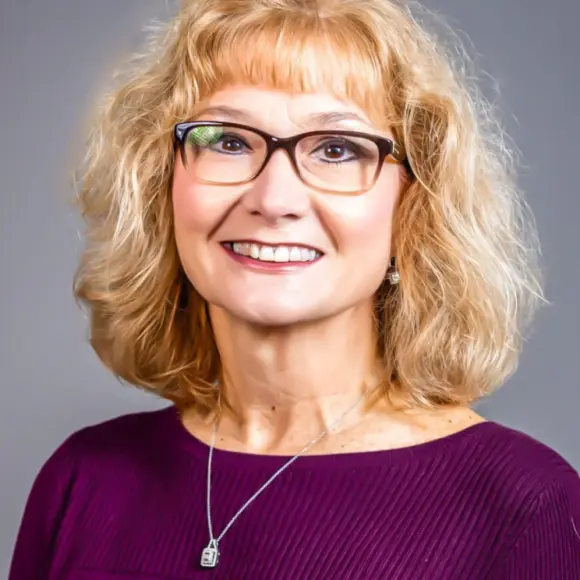
Lisa Q. Zappia, MBA, MA, NCC, NCGC, NCPC, NCCE, CCBT, ALPS, LPC
CEO
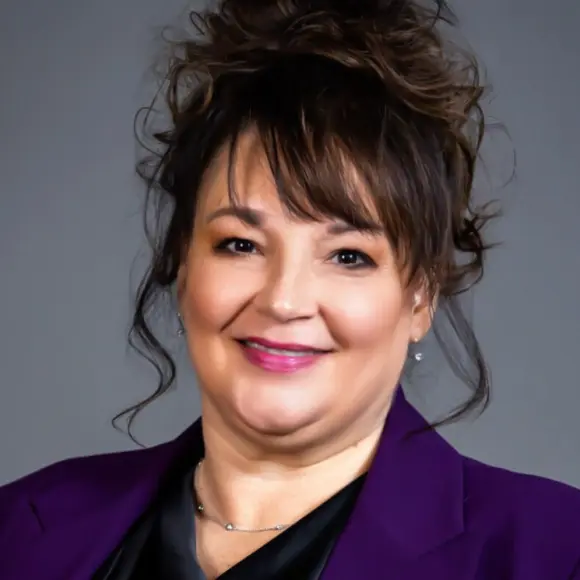
Kristie Motley
CFO
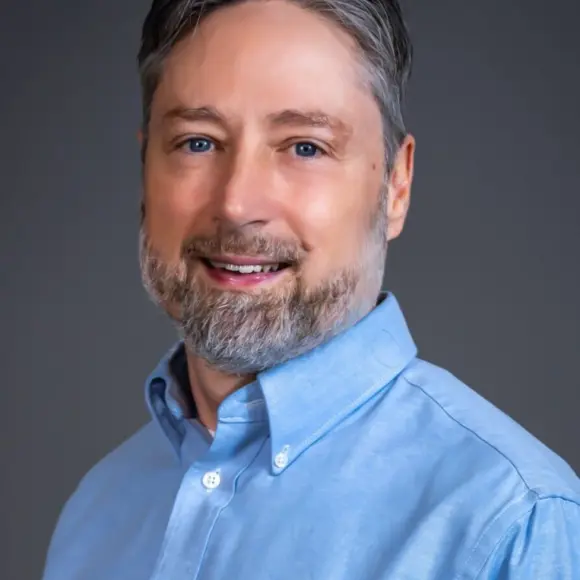
Ken Fitzwater, MA, LPC
Chief Clinical Officer
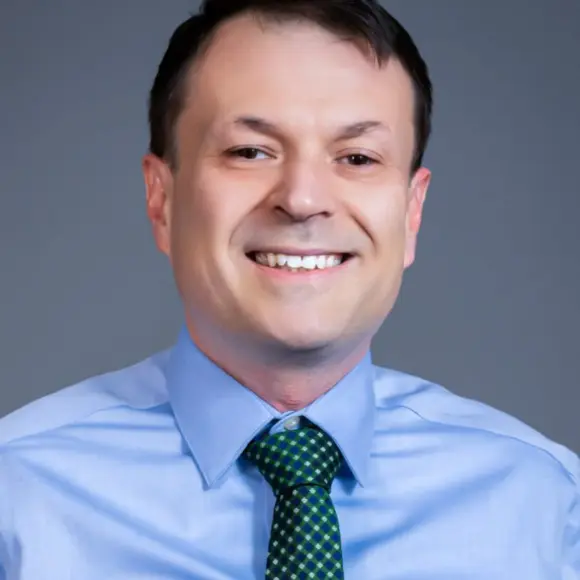
Craig Zappin
COO
Accreditations

The Commission on Accreditation of Rehabilitation Facilities (CARF) is a non-profit organization that specifically accredits rehab organizations. Founded in 1966, CARF's, mission is to help service providers like rehab facilities maintain high standards of care.
CARF Accreditation: Yes
Rehab.com regularly reviews this listing for accuracy but changes may occur between updates. For the most up-to-date information, please contact Prestera Health Services- Mason County.
Contact Information

710 Viand St
Point Pleasant, WV 25550
Get Help Now - 304-578-5627
Sponsored Helpline
Sponsored Helpline


