




























































































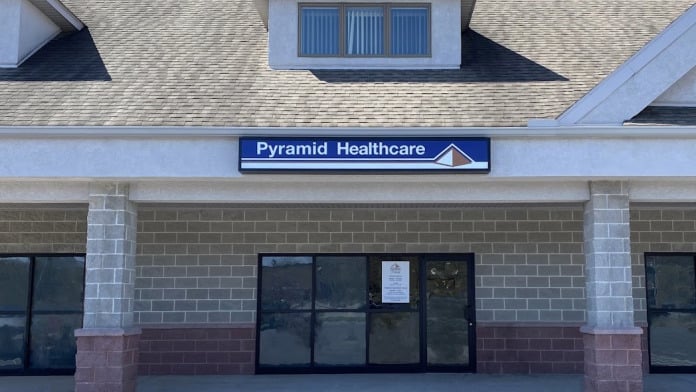
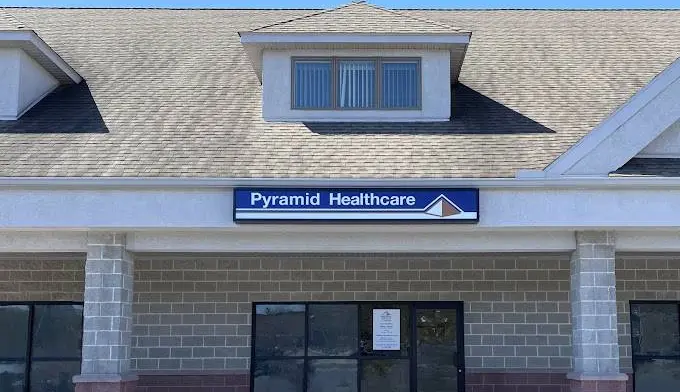
About Pyramid Healthcare Inc. – Waynesboro Outpatient Treatment Center
This facility generally has two levels of programs. They offer traditional outpatient care and they offer a more intensive outpatient program. If you’re not sure which one you need, don’t worry. They’ll work with you to figure out the best fit based on your addiction and your needs.
The programs here typically have two components which are therapy and medication. The medications can help people who are addicted to either alcohol or opioids to reduce withdrawal symptoms and cravings. Meanwhile the therapy sessions will get to the root of your addiction and help you work past it. You’ll have individual therapy as well as group therapy sessions.
One thing that stuck out to me is that this rehab will help adults as well as adolescents. They can be a resource for families who don’t know how to help their child and getting treatment at that early age can make such a difference. Keep in mind though that medications for addiction are only available for people ages 18 and older.
I was also glad to see that among their group therapy they have specialized groups for certain circumstances. For example they have groups for specific mental health issues and groups for first time offenders referred by the court system. Whatever the circumstances surrounding your addiction it’s likely that this outpatient rehab can help.
Latest Reviews



Rehab Score
 Our Methodology


Gallery
Accepted Insurance


Other Forms of Payment
Private insurance refers to any kind of healthcare coverage that isn't from the state or federal government. This includes individual and family plans offered by an employer or purchased from the Insurance Marketplace. Every plan will have different requirements and out of pocket costs so be sure to get the full details before you start treatment.
Self-pay involves paying for treatment out of your own pocket. You can use savings or credit, get a personal loan, or receive help from family and friends to fund your treatment. If you don't have insurance or your insurance plan doesn't cover a specific program, self-pay can help ensure you still get the care you need.
Financial aid can take many forms. Centers may have grants or scholarships available to clients who meet eligibility requirements. Programs that receive SAMHSA grants may have financial aid available for those who need treatment as well. Grants and scholarships can help you pai for treatment without having to repay.
Medicare is a federal program that provides health insurance for those 65 and older. It also serves people under 65 with chronic and disabling health challenges. To use Medicare for addiction treatment you need to find a program that accepts Medicare and is in network with your plan. Out of pocket costs and preauthorization requirements vary, so always check with your provider.
Medicaid is a state based program that helps lower-income individuals and families pay for healthcare. Medicaid covers addiction treatment so those enrolled can use their coverage to pay for rehab. When a program accepts Medicaid the client often pays very little or nothing out of their own pocket.
Addiction Treatments
Levels of Care
Their outpatient treatment programs provide individual counseling, group therapy sessions, and life skills workshops to give clients the tools necessary to live a sober and healthy lifestyle. Individuals and their families are also educated on the nature of addiction, how to avoid relapse, and strategies for maintaining a drug-free lifestyle. Clients in their outpatient treatment programs continue to live in their own homes, allowing them to uphold work, family, and academic commitments. They may not reside in a guaranteed sober environment, and may be forced to confront and cope with triggers present in their everyday lives during recovery.
Clients engaged in intensive outpatient programs (IOP) live and work in their home community while receiving frequent, high-level care. These programs offer personalized care designed to evolve with the clients' changing needs. Many intensive outpatient rehabs require a minimum of nine hours of treatment per week, but high-risk clients and those in early recovery may receive up to 20 hours of care weekly. IOP services generally include addiction counseling, recovery education, and holistic therapies, such as massage.
Clients receiving services from a rehab aftercare program are usually stable and in the maintenance phase of recovery, having completed detox and/or intensive inpatient treatment. Rehab aftercare services can vary widely based on clients' individual and evolving needs, but often include peer coaching, relapse prevention support, 12 step program induction, and medical, mental health, and social service referrals. Individual care plans are typically developed by the client in partnership with their case manager and care team.
Treatments
The goal of treatment for alcoholism is abstinence. Those with poor social support, poor motivation, or psychiatric disorders tend to relapse within a few years of treatment. For these people, success is measured by longer periods of abstinence, reduced use of alcohol, better health, and improved social functioning. Recovery and Maintenance are usually based on 12 step programs and AA meetings.
Drug rehab in Pennsylvania is devoted to the treatment of addiction. Levels of care, treatment methods, and settings differ, but the aim of each program is to end drug dependency and empower participants to achieve long-term recovery.
Substance rehabs focus on helping individuals recover from substance abuse, including alcohol and drug addiction (both illegal and prescription drugs). They often include the opportunity to engage in both individual as well as group therapy.
Programs
Adult rehab programs include therapies tailored to each client's specific needs, goals, and recovery progress. They are tailored to the specific challenges adult clients may face, including family and work pressures and commitments. From inpatient and residential treatment to various levels of outpatient services, there are many options available. Some facilities also help adults work through co-occurring conditions, like anxiety, that can accompany addiction.
Recovery is most successful when clients feel accepted and validated by their peers and treatment providers. Facilities that offer LGBTQ-inclusive programming are committed to creating a safe space where everyone can grow and recover without fear of judgment or discrimination. They will have dedicated policies in place to create a safe and supportive environment that fosters free expression.
Clinical Services
Cognitive behavioral therapy (CBT) in Pennsylvania can be helpful to individuals who are experiencing substance use disorder and various mental health conditions. It helps you identify damaging thought and behavior patterns and replace them with healthy ones.
Dialectical behavior therapy in Pennsylvania is an evidence based technique that involves group therapy, individual therapy, and phone coaching. Group sessions focus on learning behavioral skills. Individual therapy gives you the opportunity to apply what you're learning to your personal situations. Phone coaching allows you to call your therapist during the week for help with challenging situations.
Motivational interviewing in Pennsylvania gives you the opportunity to share your perspective and explore your ideas and motivation for change. Your therapist will walk you through the four steps of engaging, focusing, evoking, and planning to empower you to make any desired changes in your life.
Couples therapy in Pennsylvania is typically short term treatment that focuses on building skills that lead to positive long term relationship changes. Sessions with the therapist may occur both jointly and individually.
Family involvement can be critical to a client’s success during and after treatment. Pyramid Healthcare has developed a family program designed to educate the client’s family members about the disease of addiction. This program helps both the individual in specialty treatment and their family learn skills and develop behaviors effective in minimizing the negative impact of the addiction on the familial relationship. Their family program can also open lines of communication between the client and their family members. Pyramid Healthcare counselors can provide family counseling if it is requested by the client.
Amenities
-
 Residential Setting
 -
 Private Setting
Staff & Accreditations
Staff
Caitlin Tessitore
Executive Director
Amanda Verrastro
Chief Compliance Officer
Jeanna Goodwin
Senior VP of Operations
Kim Cerretta
VP of Compliance
Chris Vigna
VP of Clinical Services
Dan Gellman
VP of Marketing
Aimee Wilson
Corporate Director of Nursing & Utilization Review
Sarah Matish
Director of Admissions
Accreditations

The Commission on Accreditation of Rehabilitation Facilities (CARF) is a non-profit organization that specifically accredits rehab organizations. Founded in 1966, CARF's, mission is to help service providers like rehab facilities maintain high standards of care.
CARF Accreditation: Yes

State Licenses are permits issued by government agencies that allow rehab organizations to conduct business legally within a certain geographical area. Typically, the kind of program a rehab facility offers, along with its physical location, determines which licenses are required to operate legally.
State License: Pennsylvania
Rehab.com regularly reviews this listing for accuracy but changes may occur between updates. For the most up-to-date information, please contact Pyramid Healthcare Inc. – Waynesboro Outpatient Treatment Center.
Contact Information


626 North Grant Street
Waynesboro PA, 17268
Sponsored Helpline


