





























































































About Redemption Addiction Treatment Center
You’ll learn how to cope with symptoms and life stressors that tempt you to use substances. You will also learn about addiction and how it affects your thinking patterns and relationships. They have addiction specialists on staff to help you address any issues hindering sobriety. You may discuss building life skills that help with everyday issues, like time and money management.
Case management is on site to connect you to outside resources for ongoing recovery care. Case managers are advocates who can provide access to housing, healthcare, food, and clothing assistance, along with transportation for appointments.
They provide nutrition, health, and wellness education to help you live a healthy life after treatment. This service can include proper eating, exercise and fitness routines.
Art and music therapy are available to give you a more creative outlet for self-expression. These activities can also help with relaxation and stress reduction.
Family counseling is included in their programs to help loved ones reconnect and provide a supportive network for your ongoing sobriety. You’ll learn interpersonal skills that help you communicate and get along with others.
Aftercare planning is available to assist with continued recovery resources. This may include ongoing counseling, 12 Step attendance and community events.
Latest Reviews

At Redemption Addiction Treatment Center, serving Wilmington, New Castle, Newark, and Philadelphia, we are committed to providing compassionate, personalized PHP and IOP programs where every individual feels respected, understood, and supported throughout their recovery journey. We truly appreciate your kind words and are honored to be part of your experience.

At Redemption Addiction Treatment Center, serving Wilmington, New Castle, Newark, and Philadelphia, we are committed to providing compassionate PHP and IOP programs with knowledgeable, supportive care focused on lasting recovery. We sincerely appreciate your trust and kind words, and we’re honored to be part of your recovery journey.

At Redemption Addiction Treatment Center, serving Wilmington, New Castle, Newark, and Philadelphia, we are committed to providing structured PHP and IOP programs that foster connection, encouragement, and long-term recovery. It means a great deal to know that our team and community helped create a positive environment for your journey.
We sincerely appreciate you taking the time to share your experience and recommendation.

Rehab Score
 Our Methodology


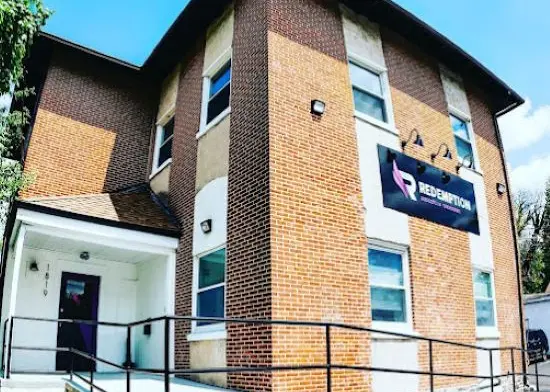
Gallery
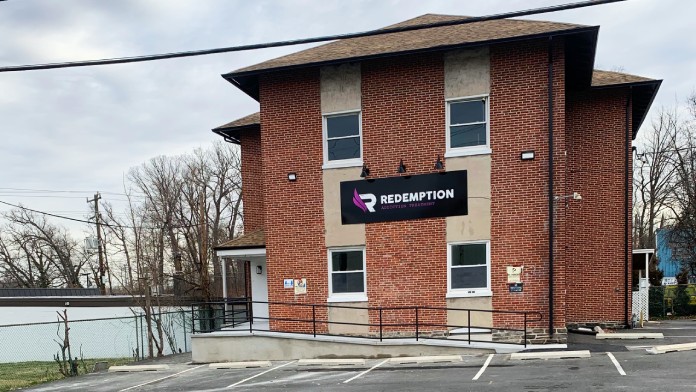
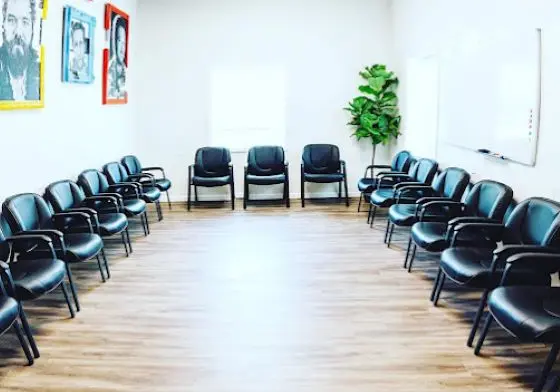
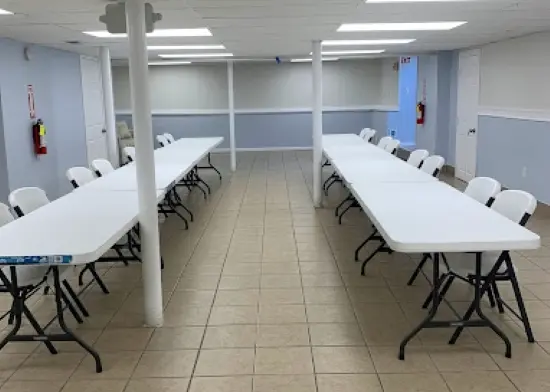
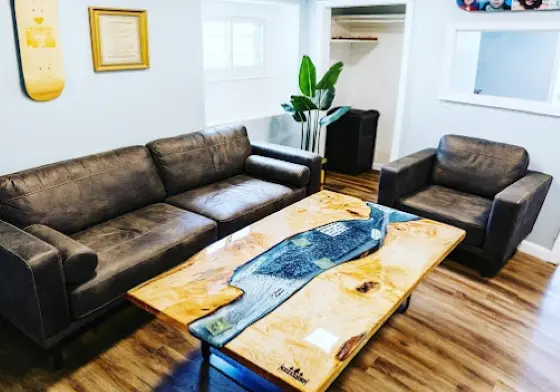
Other Forms of Payment
Private insurance refers to any kind of healthcare coverage that isn't from the state or federal government. This includes individual and family plans offered by an employer or purchased from the Insurance Marketplace. Every plan will have different requirements and out of pocket costs so be sure to get the full details before you start treatment.
Self-pay involves paying for treatment out of your own pocket. You can use savings or credit, get a personal loan, or receive help from family and friends to fund your treatment. If you don't have insurance or your insurance plan doesn't cover a specific program, self-pay can help ensure you still get the care you need.
Addiction Treatments
Levels of Care
Outpatient Programs (OP) are for those seeking mental rehab or drug rehab, but who also stay at home every night. The main difference between outpatient treatment (OP) and intensive outpatient treatment (IOP) lies in the amount of hours the patient spends at the facility. Most of the time an outpatient program is designed for someone who has completed an inpatient stay and is looking to continue their growth in recovery. Outpatient is not meant to be the starting point, it is commonly referred to as aftercare.
Intensive Outpatient programs are for those who want or need a very structured treatment program but who also wish to live at home and continue with certain responsibilities (such as work or school). IOP substance abuse treatment programs vary in duration and intensity, and certain outpatient rehab centers will offer individualized treatment programs. The Intensive Outpatient Program gives patients the chance to participate in a structured treatment plan part-time while they transition back to home and work or other responsibilities. This program provides half-day treatment (Monday, Wednesday and Friday, 9:15 am to 12:30 pm).
Offering an intensive form of rehab tailored to those who don't need 24-hour care, a partial hospitalization program (PHP) is ideal for serious addiction disorders that may not fully respond to regular outpatient therapy. PHP can serve as an alternative to inpatient hospitalization or as a step-down option and is often fully covered by insurance. With daily sessions lasting six to eight hours, up to five days a week, PHP treatment can provide medication management, relapse prevention strategies, and behavioral therapy interventions.
Clinical Services
Men and women in Delaware undergoing individual therapy for drug addiction have the opportunity to explore the underlying causes and triggers of their substance use disorder. Using a customized treatment approach, your therapist helps you develop healthier coping strategies that promote long term sobriety.
Staff
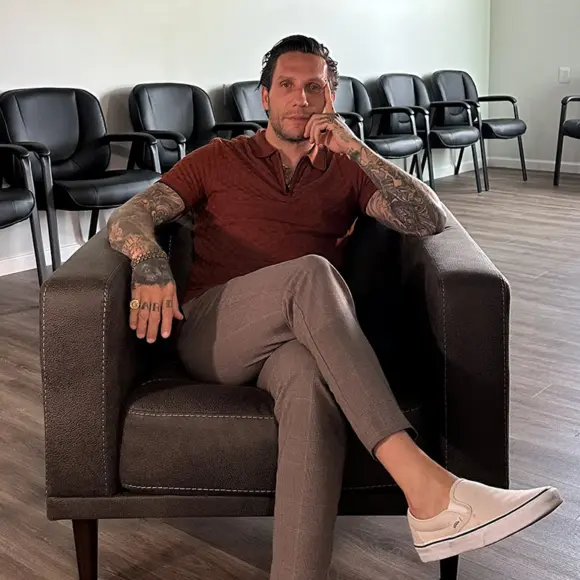
Brandon Novaks
President

Sean Barnes
Facility Director
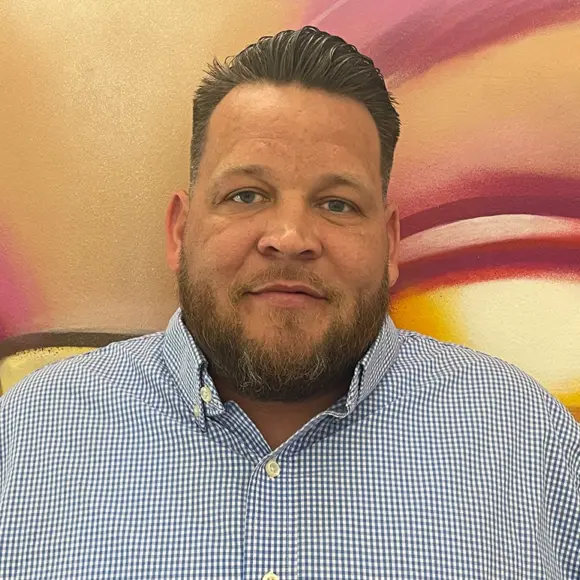
Michael Stubblefield
Director of Operations
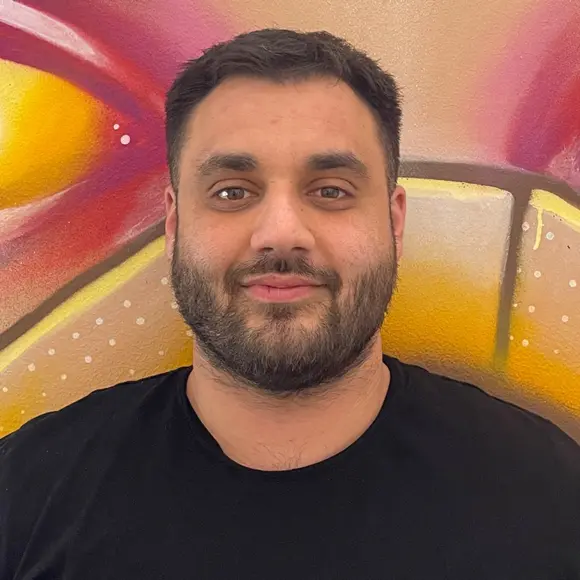
John Fusco
Director of Business Development
Rehab.com regularly reviews this listing for accuracy but changes may occur between updates. For the most up-to-date information, please contact Redemption Addiction Treatment Center.
Contact Information


1819 Newport Rd
Wilmington, DE 19808
Sponsored Helpline



