






























































































I will forever be thankful for this program. They taught me so much and thanks to their support I was able to leave my addiction. Thanks to them I don’t gamble anymore. Instead, I take advantage of my time and resources in a better way.
About Reno Problem Gambling Center
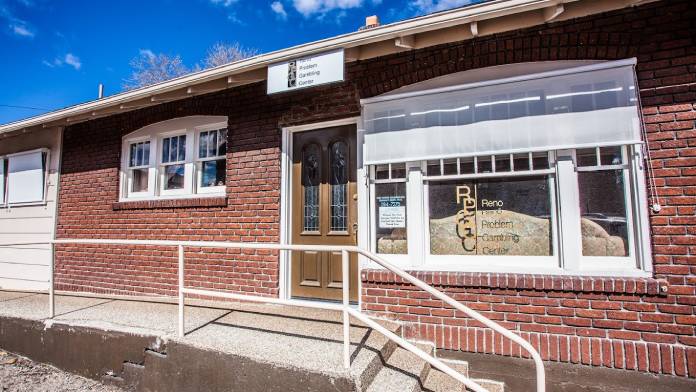
Reno Problem Gambling Center, located in Reno, Nevada is a non-profit alcohol and drug rehab that offers treatment for a variety of substance abuse addictions including co-occurring mental health disorders. At Reno Problem Gambling Center additional levels of care offered include intensive outpatient, relapse prevention, and intervention services.
Specialty rehab programs at Reno Problem Gambling Center include tailored care focusing on women's specific needs and experiences and gender-specific addiction treatment addressing unique challenges faced by men.
Latest Reviews
Reviewed on 03/14/2019
I will forever be thankful for this program. They taught me so much and thanks to their support I was able to leave my addiction. Thanks to them I don’t gamble anymore. Instead, I take advantage of my time and resources in a better way.
I am so thankful for this program. It's been 10 years since I've attended and 10 years since I've gambled. I'm not sure how to express how thankful I am for the counselors and staff. They are the best! They are professional and personable at the same time. This program holds a special place in my heart and always will.
Response from the owner3 weeks ago
Thank you, Rhonda! It's so wonderful to be 10 years in our same location helping wonderful people like you! We celebrate your victory and recovery wellness, and are so grateful for your ongoing positive support!
Denise and RPGC have been a Godsend. I've never encountered a gambling based center like this and recommend it to anyone who thinks they have a gambling problem. Thank you Denise!
Response from the owner3 weeks ago
Thanks for your honest and caring vote of confidence, Darci! We appreciate you! 
Rehab Score
 Our Methodology
Scoring is assigned by a proprietary system which helps surface key metrics that determine quality. The 10-point scale factors in categories such as operations, customer satisfaction, and trust metrics. Read Full Methodology

5.4 / 10
Gallery
Other Forms of Payment
Self-pay involves paying for treatment out of your own pocket. You can use savings or credit, get a personal loan, or receive help from family and friends to fund your treatment. If you don't have insurance or your insurance plan doesn't cover a specific program, self-pay can help ensure you still get the care you need.
Financial aid can take many forms. Centers may have grants or scholarships available to clients who meet eligibility requirements. Programs that receive SAMHSA grants may have financial aid available for those who need treatment as well. Grants and scholarships can help you pai for treatment without having to repay.
Sliding scale payments are based on a client's income and family size. The goal is to make treatment affordable to everyone. By taking these factors into account, addiction recovery care providers help ensure that your treatment does not become a financial burden to you or your family, eliminating one barrier to care.
Addiction Treatments
Levels of Care
The RPGC offers Intensive Outpatient Programs (IOP's) four days a week, both during the daytime and evening hours, in a six-week schedule of group therapy for two and one-half hours daily. The aftercare program following IOP consists of one two and one-half hour group once a week for one year after successful completion of lOP.
Intervention services helps family or friends of addicts stage an intervention, which is a meeting in which loved ones share their concerns and attempt to get an addict into treatment. Professional intervention specialists can help loved ones organize, gather, and communicate with an addict. They can guide intervention participants in describing the damage the addict's behavior is causing and that outside help is necessary to address the addiction. The ideal outcome of an intervention is for the addict to go to rehab and get the help they need.
Completing a drug or alcohol rehab program shouldn't spell the end of substance abuse treatment. Aftercare involves making a sustainable plan for recovery, including ongoing support. This can include sober living arrangements like halfway houses, career counseling, and setting a patient up with community programs like Alcoholics Anonymous (AA) or Narcotics Anonymous (NA).
Treatments
Mental health rehabs focus on helping individuals recover from mental illnesses like bipolar disorder, clinical depression, anxiety disorders, schizophrenia, and more. Mental health professionals at these facilities are trained to understand and treat mental health issues, both in individual and group settings.
Programs
Adult rehab programs include therapies tailored to each client's specific needs, goals, and recovery progress. They are tailored to the specific challenges adult clients may face, including family and work pressures and commitments. From inpatient and residential treatment to various levels of outpatient services, there are many options available. Some facilities also help adults work through co-occurring conditions, like anxiety, that can accompany addiction.
Young adulthood can be an exciting, yet difficult, time of transition. Individuals in their late teens to mid-20s face unique stressors related to school, jobs, families, and social circles, which can lead to a rise in substance use. Rehab centers with dedicated young adult programs will include activities and amenities that cater to this age group, with an emphasis on specialized counseling, peer socialization, and ongoing aftercare.
Clinical Services
Cognitive Behavioral Therapy (CBT) is a therapy modality that focuses on the relationship between one's thoughts, feelings, and behaviors. It is used to establish and allow for healthy responses to thoughts and feelings (instead of unhealthy responses, like using drugs or alcohol). CBT has been proven effective for recovering addicts of all kinds, and is used to strengthen a patient's own self-awareness and ability to self-regulate. CBT allows individuals to monitor their own emotional state, become more adept at communicating with others, and manage stress without needing to engage in substance abuse.
Research clearly demonstrates that recovery is far more successful and sustainable when loved ones like family members participate in rehab and substance abuse treatment. Genetic factors may be at play when it comes to drug and alcohol addiction, as well as mental health issues. Family dynamics often play a critical role in addiction triggers, and if properly educated, family members can be a strong source of support when it comes to rehabilitation.
Group therapy is any therapeutic work that happens in a group (not one-on-one). There are a number of different group therapy modalities, including support groups, experiential therapy, psycho-education, and more. Group therapy involves treatment as well as processing interaction between group members.
In individual therapy, a patient meets one-on-one with a trained psychologist or counselor. Therapy is a pivotal part of effective substance abuse treatment, as it often covers root causes of addiction, including challenges faced by the patient in their social, family, and work/school life.
Motivational Interviewing (MI) is a clinical approach to helping people with substance abuse issues and other conditions shift behavior in positive ways. It is more goal-oriented than traditional psychotherapy, as MI counselors directly attempt to get clients to consider making behavioral change (rather than wait for them to come to conclusions themselves). Its primary purpose is to resolve ambivalence and help clients become able to make healthy choices freely.
Rehab.com regularly reviews this listing for accuracy but changes may occur between updates. For the most up-to-date information, please contact Reno Problem Gambling Center.
Contact Information

527 Humboldt St
Reno, NV 89509
Get Help Now - 775-234-3991
Sponsored Helpline
Sponsored Helpline
