Hawaii Island Recovery
1
Top 10 Rehab Centers In Kailua Kona



















































































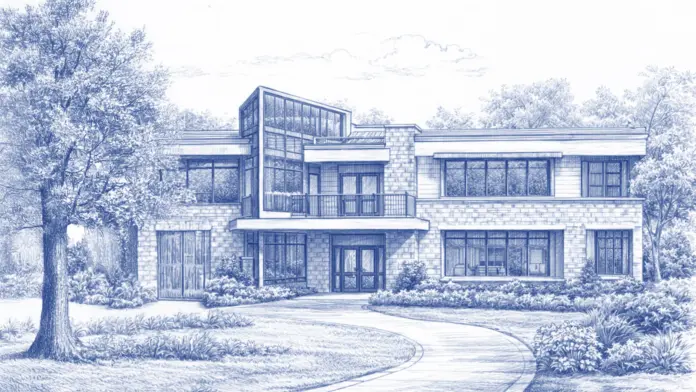
Sand Island Treatment Center is a long term residential addiction treatment program in Honolulu, Hawaii serving adults with substance use disorders since 1960.
The center provides comprehensive drug and alcohol treatment with onsite medical and psychiatric services, individual and group counseling, AA meetings and life skills rebuilding.
Sand Island offers person centered care and a safe haven approach for individuals who need extended stabilization and have often struggled with other programs.
Sand Island Treatment Center specializes in extended residential care, often lasting up to two years or longer, for adults facing high acuity substance use challenges.
The program serves priority populations including pregnant and postpartum women, IV drug users, individuals with cooccurring mental health disorders and those impacted by homelessness or criminal justice involvement.
Many counselors are graduates of the program themselves bringing lived experience to their clinical work.
Residents participate in individual and group counseling, anger management, on site urinalysis screening and daily AA meetings while rebuilding practical life skills.
The long term model addresses root causes and daily recovery needs with a focus on sustainable reintegration and stabilization for clients who need more than short term intervention.
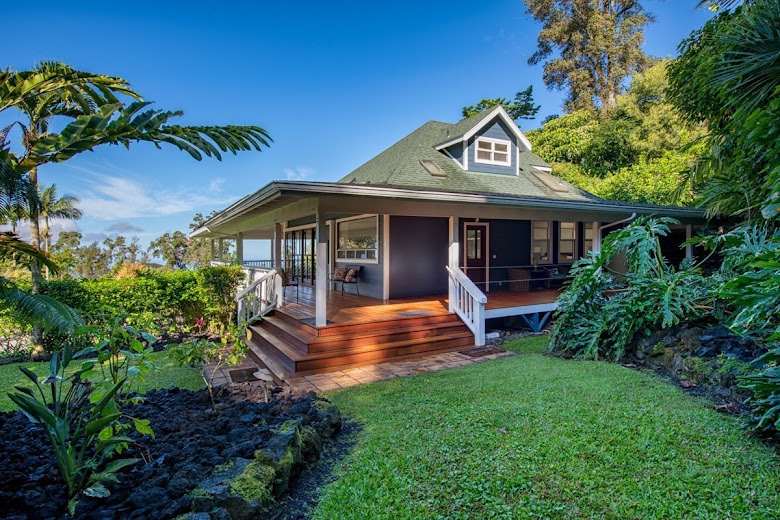
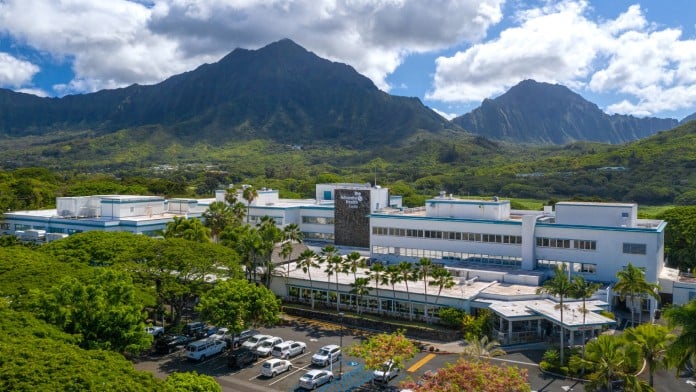
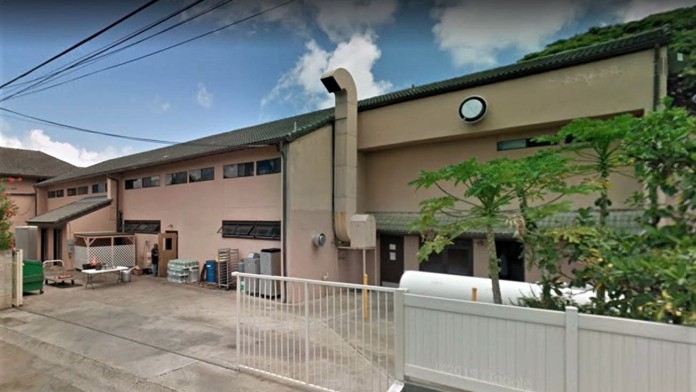
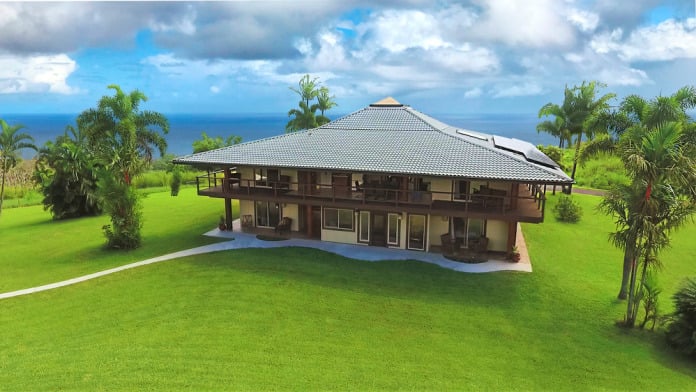
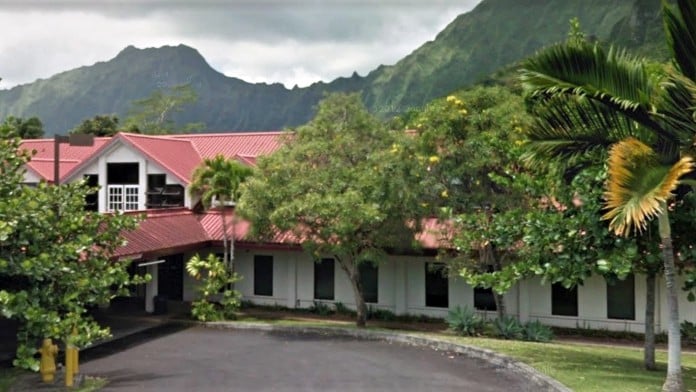
The facility features a camp-like setting with residential cottages, a shared dining hall, counseling spaces, a medical facility, and outdoor recreation areas including basketball, tennis and volleyball courts.
This supportive community oriented environment fosters accountability, peer connection and gradual reintegration into daily life.

 Our Methodology


Medicaid is a state based program that helps lower-income individuals and families pay for healthcare. Medicaid covers addiction treatment so those enrolled can use their coverage to pay for rehab. When a program accepts Medicaid the client often pays very little or nothing out of their own pocket.
Self-pay involves paying for treatment out of your own pocket. You can use savings or credit, get a personal loan, or receive help from family and friends to fund your treatment. If you don't have insurance or your insurance plan doesn't cover a specific program, self-pay can help ensure you still get the care you need.
Sliding scale payments are based on a client's income and family size. The goal is to make treatment affordable to everyone. By taking these factors into account, addiction recovery care providers help ensure that your treatment does not become a financial burden to you or your family, eliminating one barrier to care.
Financing your treatment can make treatment more accessible. You'll work with your care provider to set up payment plans, including interest rates and repayment timelines. Financing options vary widely and not all programs offer them, so be sure to get the full details before enrolling in treatment. If you have insurance or other benefits, financing may help you cover your remaining out of pocket expenses.
Clients receiving treatment in an outpatient rehab typically require less intensive support and supervision than do persons in inpatient care. Many have already completed inpatient programs and are weeks or months along in their recovery journey. Outpatient treatment generally involves the continuation of treatments begun in inpatient care, including addiction counseling and life skills development. Some outpatient programs also offer medication assisted treatment (MAT) for clients in opioid and/or alcohol recovery.
Alcohol use disorder (AUD), also called alcoholism, can be mild, moderate, or severe. Symptoms include being unable to limit alcohol consumption and feeling strong cravings to drink alcohol. Individuals with AUD may have tried to quit drinking but were unsuccessful. Typically, professional rehab in Hawaii is necessary to help individuals overcome alcohol addiction. This treatment provides the necessary evidence-based therapies, medication, and support for long-term recovery.
 Opioid Addiction
Drug rehab in Hawaii is for individuals suffering from substance use disorders. Treatment addresses the many issues involved with addiction, typically through a combination of medical and psychotherapy treatments.
In Hawaii, substance abuse treatment programs address addiction and co-occurring mental health conditions. Care levels include outpatient, inpatient, and partial hospitalization. Therapies like cognitive behavioral therapy, or dialectical behavioral therapy, equine therapy, mindfulness-based therapy, skills training, and recovery groups can help you to establish a solid recovery and develop a support system (or strengthen an existing one) to increase your chances of long-term recovery success.
During inpatient drug rehab treatment, mental health services play a central role in your plan of care. During your stay at the center, you are constantly monitored and supported by clinical staff and mental health professionals. Standard mental health therapies and treatments include group and individual counseling, cognitive behavioral therapy (CBT), dialectical behavioral therapy (DBT), and many others. Extra amenities, like recreational therapies, vary by facility.
In Hawaii, dual-diagnosis addiction treatment programs recognize the importance of treating substance use disorders and mental health conditions simultaneously. They offer various levels of care, depending on your needs. Treatment settings include detox, outpatient, residential rehab, and partial hospitalization options. Using a combination of evidence-based and holistic therapies, like cognitive behavioral therapy, or dialectical behavioral therapy, adventure therapy, and acupuncture, clinicians address substance use disorders and co-occurring disorders.
During cognitive behavioral therapy in Hawaii, patients learn about their mental and behavioral health conditions and then learn techniques to help them change their patterns of thinking and behavior. Tools such as stress management, coping, and assertiveness are used to break free from patterns of substance abuse.
Within a group therapy environment, people can see other individuals walk through a successful recovery and model behaviors that provide them with inspiration and practical examples of how to manage their addiction and maintain their sobriety within the community.
 Basketball Court
  Lakeside
  Tennis Court
  Volleyball Court
The Commission on Accreditation of Rehabilitation Facilities (CARF) is a non-profit organization that specifically accredits rehab organizations. Founded in 1966, CARF's, mission is to help service providers like rehab facilities maintain high standards of care.
CARF Accreditation: Yes

State Licenses are permits issued by government agencies that allow rehab organizations to conduct business legally within a certain geographical area. Typically, the kind of program a rehab facility offers, along with its physical location, determines which licenses are required to operate legally.
State License: Hawaii
Rehab.com regularly reviews this listing for accuracy but changes may occur between updates. For the most up-to-date information, please contact Sand Island Treatment Center.

524 Kaaahi St, Honolulu, HI 96817
Sponsored Helpline

Taught me how to grow up! Forever grateful

SiTC changed my life forever. I am forever grateful!!! U got it!

I have a loved one that is wanting to get services for addiction. However has been turned away due to her disability and the fact that she has a service animal! This IS against the law people! I hope that they face some sort of sanction for violation of civil rights! I can’t believe that in this day and age these organizations are allowed to break federal laws!!!

 Back
Back
Sharing your insights and experiences can help others learn more about this rehab center.