





























































































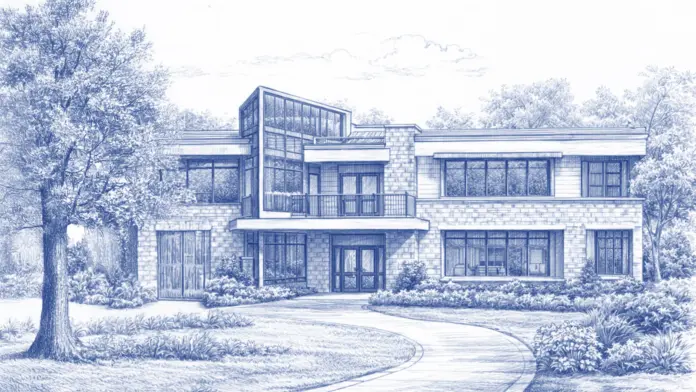
About Serenity Denver
Serenity Denver is a substance use treatment program in Commerce City, Colorado, offering inpatient rehabilitation and outpatient services for adults seeking recovery from drug and alcohol addiction.
The center treats alcohol, opioid and stimulant use disorders alongside co-occurring conditions like depression and anxiety. With a small capacity of 20 clients, Serenity Denver emphasizes individualized, evidence based care.
Addiction Treatment Programs at Serenity Denver
Treatment can begin with inpatient rehabilitation, where clients receive structured, round the clock support in a residential setting licensed by the Colorado Department of Behavioral Health. Outpatient programs are also available for those who need greater flexibility.
The care also accommodates people stepping down from higher levels of care. Clients can expect therapies such as CBT and group sessions, along with medication assisted treatment (MAT) options including Suboxone and Vivitrol for opioid dependence.
Specialized tracks for veterans, first responders and women provide focused support for unique recovery needs.
Quick Facts About Serenity Denver
Location is Commerce City, Colorado, in a quiet, urban environment ideal for recovery. Levels of care include inpatient rehabilitation and outpatient programs. The center treats coed adults 18 years and over, including veterans, first responders and women, plus dual diagnosis.
The approach includes evidence based care with CBT, group therapy and MAT. Payment options include in network with major insurers, self pay, credit cards and financing. Amenities include comfortable shared rooms, communal spaces, an onsite gym and outdoor activities.
Getting Started
To begin treatment at Serenity Denver in Commerce City, Colorado, reach out to schedule an assessment and discuss your recovery goals. The admissions team can explain program options, verify insurance benefits and help you find the right level of care.
Facility Overview
 20
20 Latest Reviews



Rehab Score
 Our Methodology


Location
Other Forms of Payment
Self-pay involves paying for treatment out of your own pocket. You can use savings or credit, get a personal loan, or receive help from family and friends to fund your treatment. If you don't have insurance or your insurance plan doesn't cover a specific program, self-pay can help ensure you still get the care you need.
Financing your treatment can make treatment more accessible. You'll work with your care provider to set up payment plans, including interest rates and repayment timelines. Financing options vary widely and not all programs offer them, so be sure to get the full details before enrolling in treatment. If you have insurance or other benefits, financing may help you cover your remaining out of pocket expenses.
Addiction Treatments
Levels of Care
Clients entering an inpatient rehab typically require more intensive treatment than those in outpatient care. Clients often start inpatient treatment immediately after completing a detox program. Upon admission, they engage in extensive psychotherapy, receive recovery-focused life skills training, and participate in evidence-based complementary therapies, such as meditation, massage, acupuncture, and/or animal, creative arts, recreational, and experiential therapy.
Outpatient rehabs offer a wide variety of services and levels of care to align with clients' unique and evolving needs. Outpatient care is best suited for clients who are stable and for those who wish to remain at home while receiving treatment. Clients typically receive addiction counseling and recovery-focused life skills training, including participating in evening, night, and weekend sessions to accommodate clients' schedules. Clients at an increased relapse risk may receive more frequent and intensive treatment.
Treatments
Alcoholism is defined as a physical dependence on alcohol. In this state, the body experiences withdrawal symptoms in the absence of alcohol. Over time, a person with alcohol use disorder also must drink greater amounts of alcohol to achieve the same effects. To overcome alcohol use disorder, alcohol rehab in Colorado is usually necessary, a process which includes supervised medical detox. This is followed by intensive rehab, then a maintenance program that may include 12-step support.
 Opioid Addiction
Professional services are often necessary to recover from addiction. Drug rehab in Colorado provides the expert services needed to address the complex issues of addiction and help individuals start their recovery journey.
Colorado offers a range of substance abuse treatment programs that encompass various levels of care to meet your specific needs. These addiction treatment programs often encompass medical detox, outpatient, inpatient, and partial hospitalization programs. You'll find each program includes individual and group therapy, and educational groups to provide you with the tools to achieve and sustain your recovery.
With residential addiction treatment, you live in a rehab facility while receiving mental health services. Rehabs offer 24/7 care provided by clinical and mental health staff. A typical inpatient program lasts 28-30 days, but some last for several months. Standard mental health services include group and individual counseling, with addiction and relapse prevention education. Amenities, like recreational offerings, vary by facility.
Colorado offers dual-diagnosis addiction treatment programs that encompass various levels of care to meet your individual needs, including medical detox, outpatient, inpatient, and partial hospitalization programs for individuals with co-occurring mental health and substance use disorders. These dual-diagnosis rehab programs incorporate evidence-based therapies such as cognitive-behavioral therapy (CBT) or dialectical behavior therapy (DBT) to successfully address substance use disorders and co-occurring diagnoses.
Programs
Adult rehab programs include therapies tailored to each client's specific needs, goals, and recovery progress. They are tailored to the specific challenges adult clients may face, including family and work pressures and commitments. From inpatient and residential treatment to various levels of outpatient services, there are many options available. Some facilities also help adults work through co-occurring conditions, like anxiety, that can accompany addiction.
Serving in the military is both mentally and physically challenging, and can result in trauma that persists even after combat ends. Military programs are tailored to the specific and often complex needs of active duty personnel, veterans, and military families. Clients often access these programs through the U.S. Department of Veterans Affairs (VA).
Clinical Services
The main principle of cognitive behavioral therapy (CBT) in Colorado is that substance use disorders are based on faulty thinking and behavior patterns. The goal of this treatment is to help the individual learn better ways of coping with challenges, which will lead to changes in thinking and behavior.
Group therapy in Colorado offers you a platform to share your stories about drug addiction and co occurring mental health conditions. You'll receive encouragement and empathy from peers who understand your journey, fostering a sense of community and belonging.
Amenities
-
 Gym
Gym -
 Hiking
 -
 Metropolitan Area
 -
 Walking Trails
 -
 Yoga Studio
Accreditations

State Licenses are permits issued by government agencies that allow rehab organizations to conduct business legally within a certain geographical area. Typically, the kind of program a rehab facility offers, along with its physical location, determines which licenses are required to operate legally.
State License: Colorado
Rehab.com regularly reviews this listing for accuracy but changes may occur between updates. For the most up-to-date information, please contact Serenity Denver.
Contact Information


7201 E 49th Ave, Commerce City, CO 80022
Sponsored Helpline

