





























































































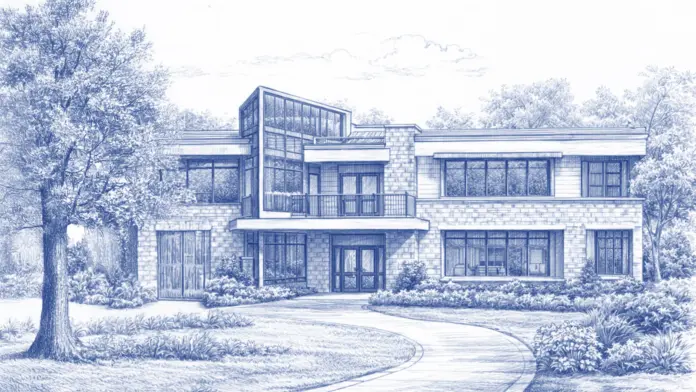
About Silver Linings Recovery Center
Rosewood Recovery is an addiction treatment center in Newtown, Pennsylvania, that provides outpatient services for adults experiencing substance use and co-occurring mental health conditions. The center offers partial hospitalization, intensive outpatient programming, and general outpatient care.
Medication assisted treatment is available when clinically appropriate, and services may include art therapy, music therapy, neurofeedback and the support of therapy dogs. Clients often describe the environment as welcoming and attentive, with a smaller program structure and a low staff to patient ratio.
Comprehensive Outpatient and Psychiatric Care
Rosewood provides a comprehensive outpatient continuum of care. Partial hospitalization includes group therapy 5 days per week, weekly individual sessions and psychiatric care. Intensive outpatient programming includes group therapy 3 days per week, with both daytime and evening scheduling options. General outpatient care typically involves weekly individual and group therapy sessions.
All levels of care may include family sessions, medical appointments and access to medication assisted treatment when indicated. The structure is designed to allow individuals to step down gradually as they gain stability and confidence in recovery.
Who Can Receive Treatment Here?
Rosewood serves adults with substance use disorders, including individuals with co occurring mental health conditions such as anxiety, depression, post traumatic stress disorder, bipolar disorder, obsessive compulsive disorder, and personality disorders. The center is licensed by the Pennsylvania Department of Drug and Alcohol Programs and accredited by The Joint Commission.
Rosewood is in network with Independence Blue Cross, Geisinger, and TriCare East, among others. The center also works with out of network benefits from Aetna, Cigna, United Health Care and additional carriers. Self pay options and sliding scale fees are available. Medicaid and Medicare are not accepted.
Facility Overview
 31 - 60
 Latest Reviews



Rehab Score
 Our Methodology


Location
Accepted Insurance
Other Forms of Payment
Private insurance refers to any kind of healthcare coverage that isn't from the state or federal government. This includes individual and family plans offered by an employer or purchased from the Insurance Marketplace. Every plan will have different requirements and out of pocket costs so be sure to get the full details before you start treatment.
Self-pay involves paying for treatment out of your own pocket. You can use savings or credit, get a personal loan, or receive help from family and friends to fund your treatment. If you don't have insurance or your insurance plan doesn't cover a specific program, self-pay can help ensure you still get the care you need.
Addiction Treatments
Levels of Care
A medical detox is the safest way to wean your body off drugs and/or alcohol in an inpatient setting. When detoxing from addictive substances, the physical and psychological side effects of withdrawal can cause mood swings, anxiety, nausea, or flu-like symptoms. In medically assisted detox, a team of medical professionals are on hand 24/7 to help alleviate potential withdrawal symptoms, administer medications to alleviate withdrawal symptoms, and ultimately keep you safe and comfortable throughout this process.
Clients engaged in intensive outpatient programs (IOP) live and work in their home community while receiving frequent, high-level care. These programs offer personalized care designed to evolve with the clients' changing needs. Many intensive outpatient rehabs require a minimum of nine hours of treatment per week, but high-risk clients and those in early recovery may receive up to 20 hours of care weekly. IOP services generally include addiction counseling, recovery education, and holistic therapies, such as massage.
Outpatient rehabs specialize in providing comprehensive care for clients who choose to remain in their homes and communities during treatment. Their services may include transitional support for clients stepping down from intensive inpatient programming. Ambulatory medical detox may be provided for clients at low risk for withdrawal complications. Many programs include evening, night, and weekend services to accommodate clients who are working professionals or caregivers. Addiction counseling and life skills training are common treatment modalities.
Telehealth increases care access to underserved communities and at-risk populations. Because it allows patients to receive care without visiting a provider in person, many barriers are removed. Telehealth eliminates transportation issues, increases convenience, and opens up options to providers who are located far away.
Treatments
Alcoholism is a syndrome of dependent alcohol use. Also called alcohol use disorder (AUD), the symptoms include craving alcohol, not being able to stop drinking, and feeling anxious or irritable when not drinking. For many people, alcohol rehab in Pennsylvania is a beneficial treatment. Programs offer many levels of care, including medical and behavioral therapies.
 Opioid Addiction
Drug rehab in Pennsylvania is devoted to the treatment of addiction. Levels of care, treatment methods, and settings differ, but the aim of each program is to end drug dependency and empower participants to achieve long-term recovery.
In Pennsylvania, substance abuse treatment programs can help address addiction and any co-occurring mental health problems. These programs incorporate evidence-based therapies such as cognitive-behavioral therapy (CBT), dialectical behavior therapy (DBT), and psychoeducation to help you uncover the underlying causes for your substance use and develop new skills to help you manage stress and overcome future triggers which may challenge your sobriety.
If you have a mental health condition and an addiction, it is critical to address both conditions simultaneously. If you only address the mental health disorder, you'll likely continue to use drugs or alcohol, which can make your mental health issues even worse. On the other hand, if you only address the addiction, you won't have the tools to cope with your mental health disorder in a healthy way.
Pennsylvania's specialized dual-diagnosis addiction treatment programs prioritize comprehensive care for individuals with co-occurring substance use disorders and mental health conditions. Providing various levels of care, including outpatient, inpatient, and partial hospitalization, dual-diagnosis experts use evidence-based therapies, recovery support groups, and education to treat both disorders, promote mental health, and improve your quality of life.
Programs
Adult rehab programs include therapies tailored to each client's specific needs, goals, and recovery progress. They are tailored to the specific challenges adult clients may face, including family and work pressures and commitments. From inpatient and residential treatment to various levels of outpatient services, there are many options available. Some facilities also help adults work through co-occurring conditions, like anxiety, that can accompany addiction.
The postpartum period is a sensitive time, especially for women in addiction recovery. Rehabs with specialized programs for new mothers will offer compassionate, personalized care to meet each client's needs as they transition from pregnancy to this season of life. Care teams may include obstetricians, pediatricians, and social workers working collaboratively to give women, children, and families a healthy future.
Clinical Services
Cognitive behavioral therapy (CBT) in Pennsylvania can be helpful to individuals who are experiencing substance use disorder and various mental health conditions. It helps you identify damaging thought and behavior patterns and replace them with healthy ones.
Family therapy teaches individual family members in Pennsylvania the benefits of collectively combating addiction. Therapists help individual members establish healthy boundaries between themselves and their loved one who is struggling with addiction. This helps improve emotional support systems and creates a bond so families work together to sustain long term recovery.
Amenities
-
 Art Activities
 -
 Gym
Gym -
 Hiking
 -
 Music Room
 -
 Walking Trails
 -
 Yoga Studio
Accreditations

State Licenses are permits issued by government agencies that allow rehab organizations to conduct business legally within a certain geographical area. Typically, the kind of program a rehab facility offers, along with its physical location, determines which licenses are required to operate legally.
State License: Pennsylvania

The Joint Commission, formerly known as JCAHO, is a nonprofit organization that accredits rehab organizations and programs. Founded in 1951, the Joint Commision's mission is to improve the quality of patient care and demonstrating the quality of patient care.
Joint Commission Accreditation: Yes
Rehab.com regularly reviews this listing for accuracy but changes may occur between updates. For the most up-to-date information, please contact Silver Linings Recovery Center.
Contact Information


1262 Wood Ln Suite 103, Langhorne, PA 19047
Sponsored Helpline

