
















































































































Thanks for making a difference in our Saint Louis community. Also Thank you One Family Church, located in UniversityCity on Delmar. Furthermore thank you Pastor Brent Roam.;Thank you for spreading the gospel.
About Stepping Into The Light Ministry
Here, their ultimate goal is to reconcile you back to God and your family. They want to help you overcome your addiction so you can become a productive, thriving member of your home and community.
During your time here, you’ll learn spiritual principles and rediscover your purpose, transforming your mind so you can make the right choices. You’ll stay in the program for 90 days, and you and the other guys may participate in a range of treatments while you’re there, including holistic and evidence based approaches.
One former client says this is the best place to go if you want to transform your life and another calls it a place of deliverance.
Fact checked and written by:
Courtney Myers, MS
Edited by:
Peter Lee, PhD
Latest Reviews
ATB Clinic gave me a second shot at life. I was deep in it and didn’t see a way out, but they really showed up for me. The staff actually listened, no judgment, just straight-up support. 💭🙏From the first day, I felt like I could breathe again. Clean rooms, calm vibe, solid people around. They helped me figure out how to live again without leaning on the bottle or the pills. 🌄 Grateful doesn’t even cover it.
Response from the owner1 month ago
Thank you for sharing your story. At ATB Clinic, we’re committed to providing real support, respect, and care so every person feels safe and understood. It means so much to know you found peace, guidance, and a path forward here. We’re glad to have been part of your fresh start.
ATB Clinic truly came through for me when I was in a dark place. The support was solid, the staff didn’t treat me like a number, and I never felt judged for what I’d been through. They were calm, cool, and always had time to talk — even when I was having a rough moment.Everything about the place felt focused on helping me figure out how to stay clean without overwhelming me. They kept it real, and that’s what I needed. If you’re looking for help but also need some breathing room while you get it, ATB is the move.
Response from the owner1 month ago
Thank you for sharing your experience. At ATB Clinic, we believe recovery should always feel respectful, supportive, and free of judgment. It means a lot to know you felt listened to, guided, and given the space you needed to move forward. We’re glad we could be part of your progress.
ATB Clinic felt like a reset button for my whole life. I was wrecked, worn out, and honestly didn’t think anything would help — but someone I trusted told me to check this place out, and I’m glad I did. The staff? Real as hell. No fake smiles, no judging eyes, just people who know what it’s like to hit rock bottom and still climb out.They’ve got everything locked in — detox that doesn’t make you feel like you’re dying, support that actually supports you, and a game plan that fits your life. If you’re tired of the same old cycle and want a way out that doesn’t feel like prison, ATB’s where it’s at.

Rehab Score
 Our Methodology
Scoring is assigned by a proprietary system which helps surface key metrics that determine quality. The 10-point scale factors in categories such as operations, customer satisfaction, and trust metrics. Read Full Methodology

6.5 / 10
Gallery
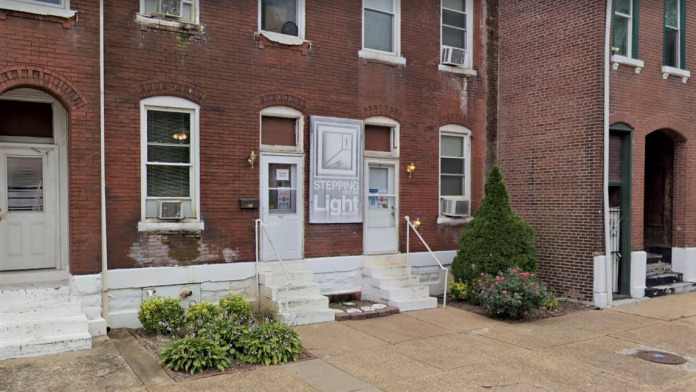
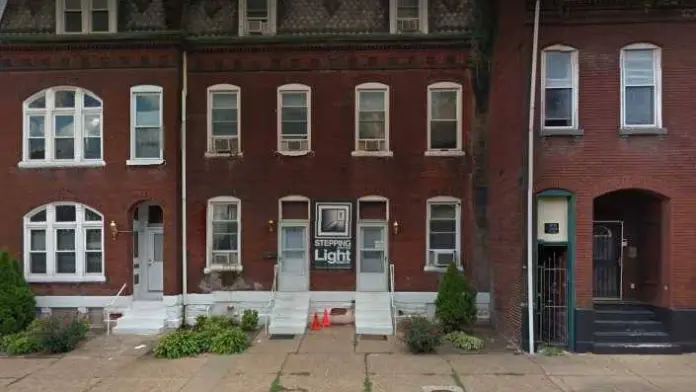
Other Forms of Payment
Self-pay involves paying for treatment out of your own pocket. You can use savings or credit, get a personal loan, or receive help from family and friends to fund your treatment. If you don't have insurance or your insurance plan doesn't cover a specific program, self-pay can help ensure you still get the care you need.
Addiction Treatments
Levels of Care
Outpatient Programs (OP) are for those seeking mental rehab or drug rehab, but who also stay at home every night. The main difference between outpatient treatment (OP) and intensive outpatient treatment (IOP) lies in the amount of hours the patient spends at the facility. Most of the time an outpatient program is designed for someone who has completed an inpatient stay and is looking to continue their growth in recovery. Outpatient is not meant to be the starting point, it is commonly referred to as aftercare.
Completing a drug or alcohol rehab program shouldn't spell the end of substance abuse treatment. Aftercare involves making a sustainable plan for recovery, including ongoing support. This can include sober living arrangements like halfway houses, career counseling, and setting a patient up with community programs like Alcoholics Anonymous (AA) or Narcotics Anonymous (NA).
Treatments
The goal of treatment for alcoholism is abstinence. Those with poor social support, poor motivation, or psychiatric disorders tend to relapse within a few years of treatment. For these people, success is measured by longer periods of abstinence, reduced use of alcohol, better health, and improved social functioning. Recovery and Maintenance are usually based on 12 step programs and AA meetings.
Drug rehab in Missouri usually involves several phases: detox, rehab, and aftercare. The rehab phase may include a combination of inpatient and outpatient treatments, as the individual moves through a continuum of care on their recovery journey.
Opioid rehabs specialize in supporting those recovering from opioid addiction. They treat those suffering from addiction to illegal opioids like heroin, as well as prescription drugs like oxycodone. These centers typically combine both physical as well as mental and emotional support to help stop addiction. Physical support often includes medical detox and subsequent medical support (including medication), and mental support includes in-depth therapy to address the underlying causes of addiction.
Substance rehabs focus on helping individuals recover from substance abuse, including alcohol and drug addiction (both illegal and prescription drugs). They often include the opportunity to engage in both individual as well as group therapy.
Programs
Adult rehab programs include therapies tailored to each client's specific needs, goals, and recovery progress. They are tailored to the specific challenges adult clients may face, including family and work pressures and commitments. From inpatient and residential treatment to various levels of outpatient services, there are many options available. Some facilities also help adults work through co-occurring conditions, like anxiety, that can accompany addiction.
Young adulthood can be an exciting, yet difficult, time of transition. Individuals in their late teens to mid-20s face unique stressors related to school, jobs, families, and social circles, which can lead to a rise in substance use. Rehab centers with dedicated young adult programs will include activities and amenities that cater to this age group, with an emphasis on specialized counseling, peer socialization, and ongoing aftercare.
Clinical Services
Group therapy is any therapeutic work that happens in a group (not one-on-one). There are a number of different group therapy modalities, including support groups, experiential therapy, psycho-education, and more. Group therapy involves treatment as well as processing interaction between group members.
In individual therapy, a patient meets one-on-one with a trained psychologist or counselor. Therapy is a pivotal part of effective substance abuse treatment, as it often covers root causes of addiction, including challenges faced by the patient in their social, family, and work/school life.
Research clearly demonstrates that recovery is far more successful and sustainable when loved ones like family members participate in rehab and substance abuse treatment. Genetic factors may be at play when it comes to drug and alcohol addiction, as well as mental health issues. Family dynamics often play a critical role in addiction triggers, and if properly educated, family members can be a strong source of support when it comes to rehabilitation.
Staff
Bishop Jerome Bracely
Executive Director
Rehab.com regularly reviews this listing for accuracy but changes may occur between updates. For the most up-to-date information, please contact Stepping Into The Light Ministry.
Contact Information

1402 Hebert Street
Saint Louis, MO 63107
Get Help Now - 314-384-4223
Sponsored Helpline
Sponsored Helpline

